
While the Centre Pompidou is closed for renovation until 2030, its Bibliothèque publique d’information (BPI) continues in a temporary home in the Lumière building in Bercy, Paris. Andrés Mariño Maza was lead furniture project architect for the new library.
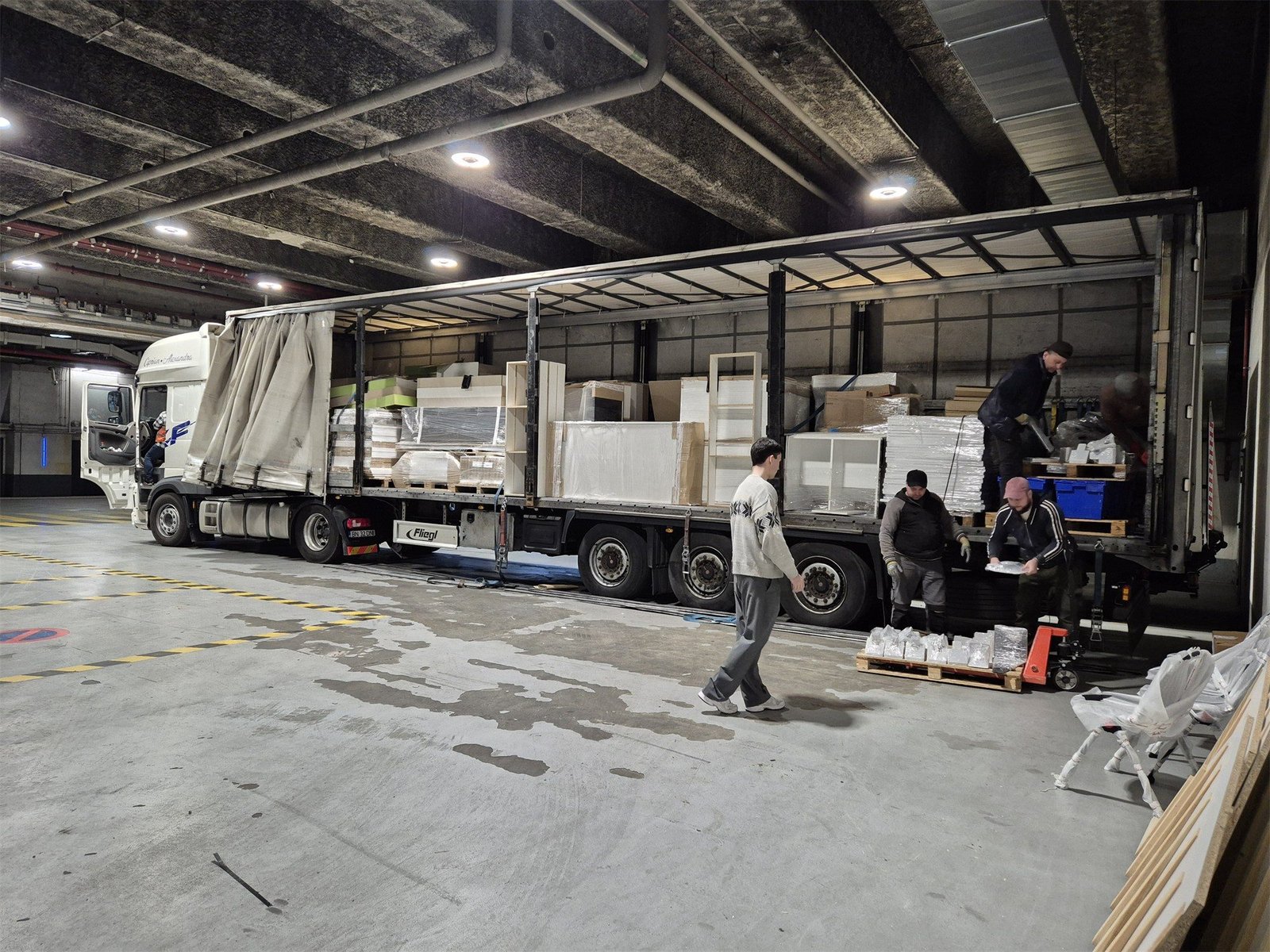
He led the full furniture programme from design through production and worked directly with the public client and its officials throughout. The furniture was made by woodworking and metal workshops in Spain, shipped by Spanish carriers and installed by French and Romanian teams, with Andrés coordinating every stage. It was a far larger commission than his earlier intervention of about 50 pieces at Beaubourg.
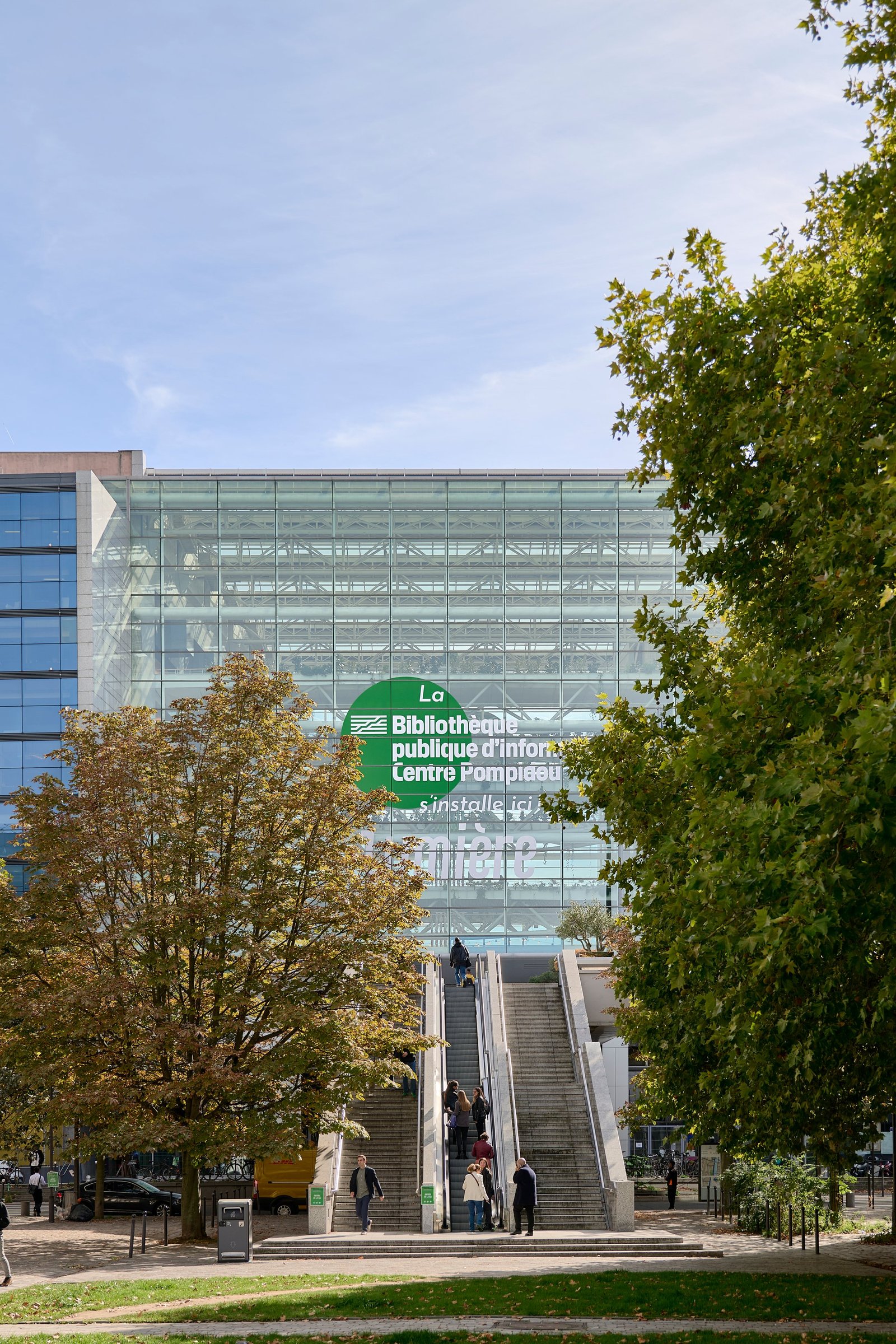
Photographs, October 2026
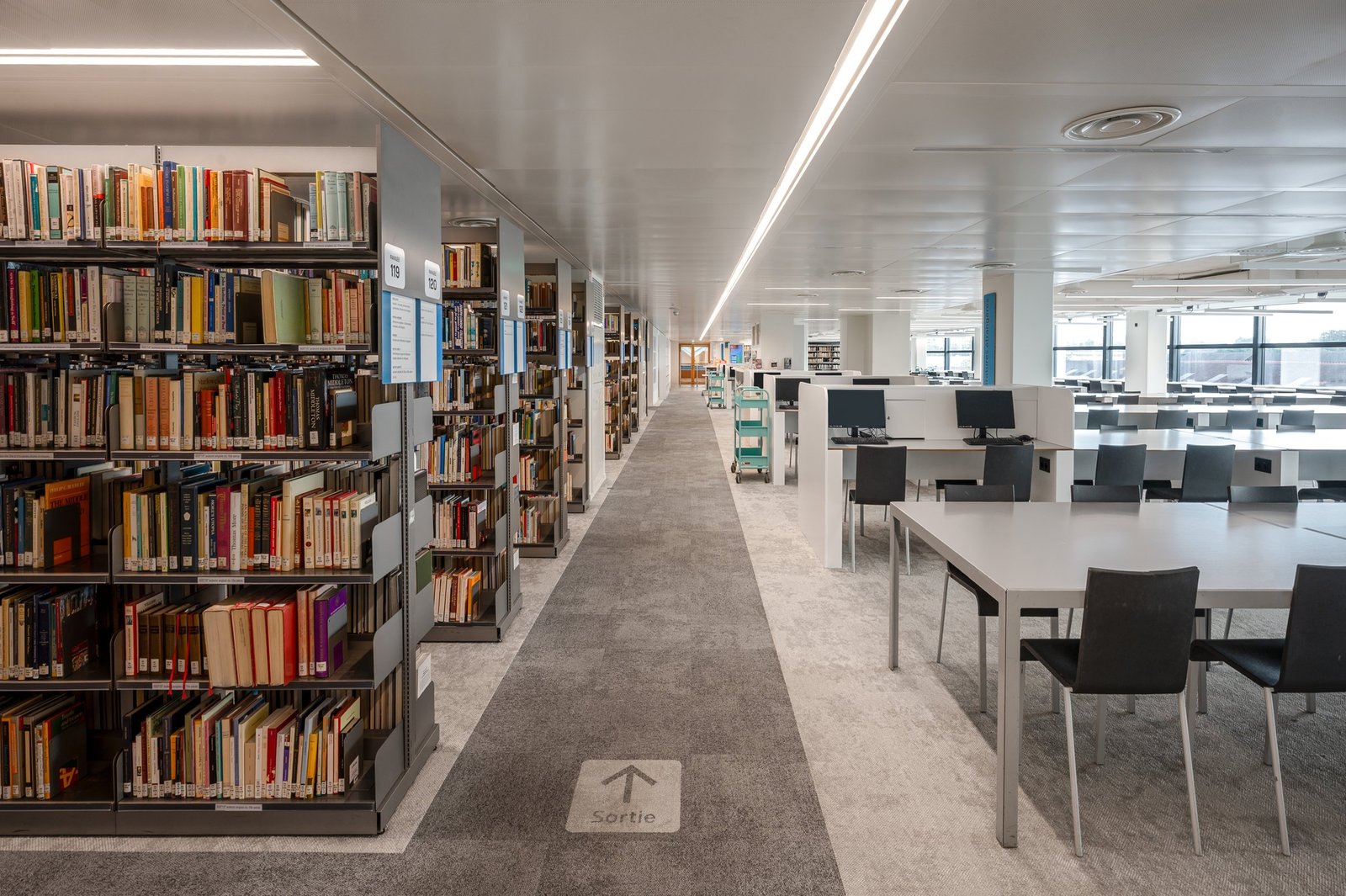
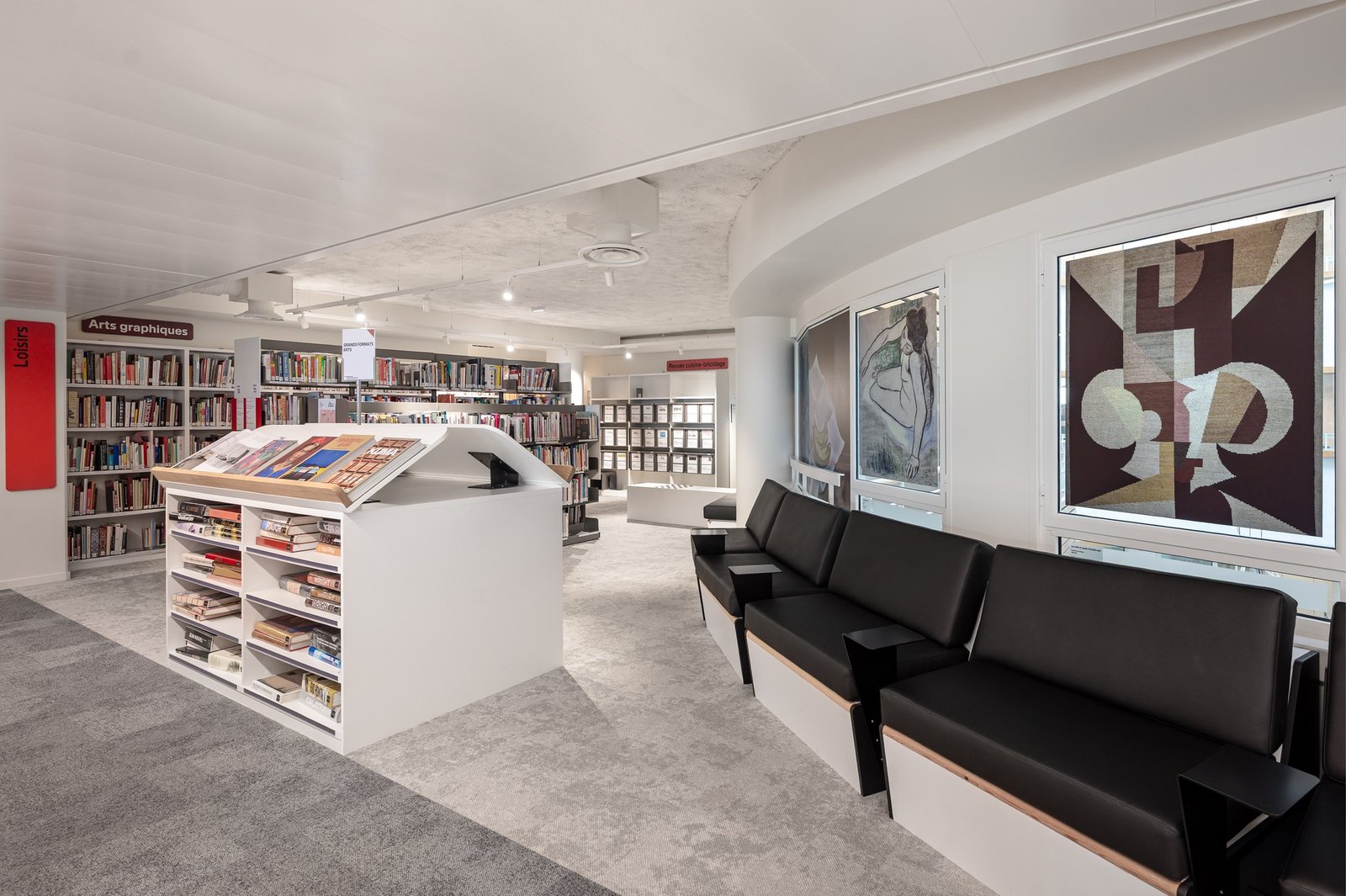
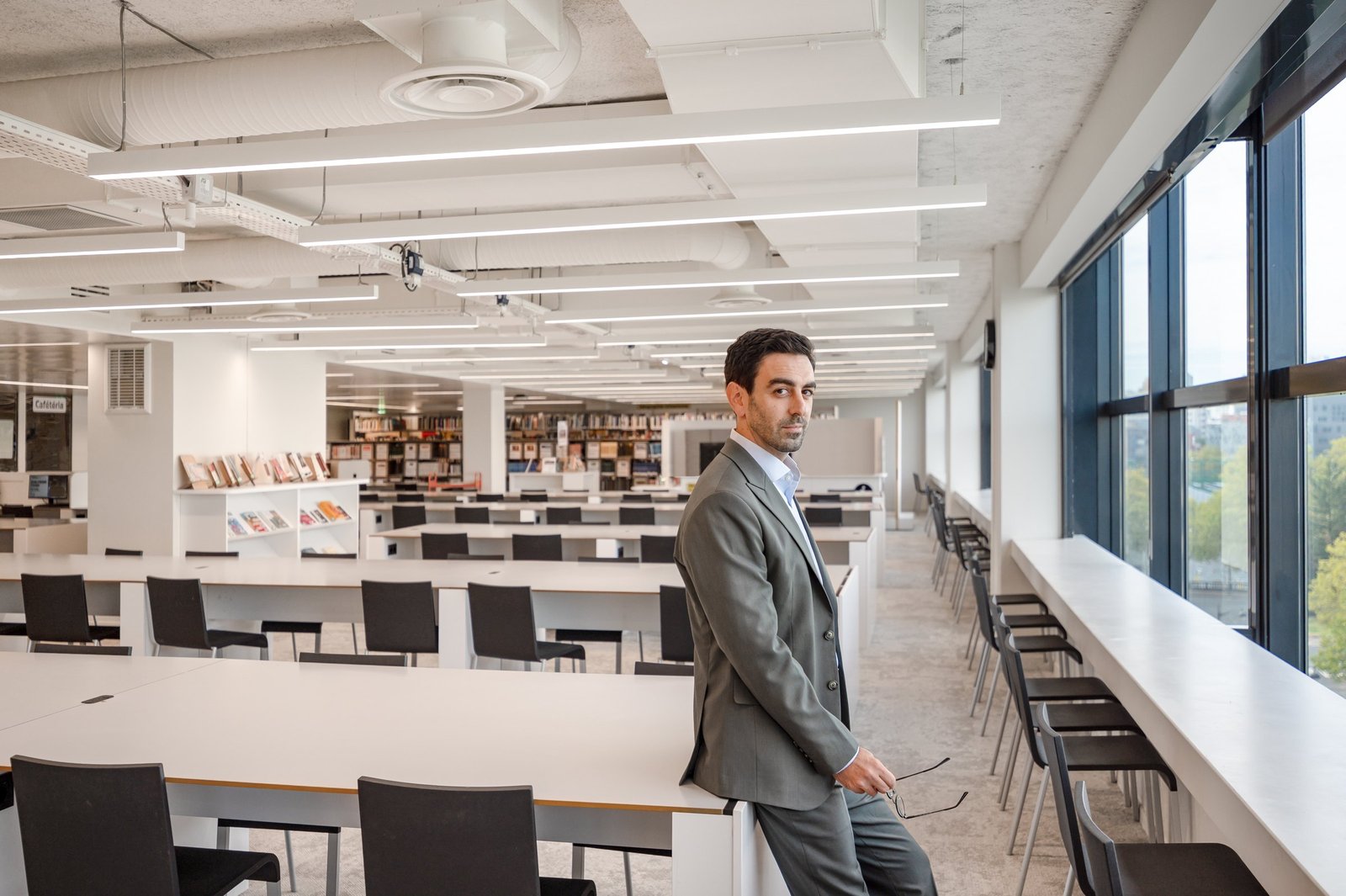
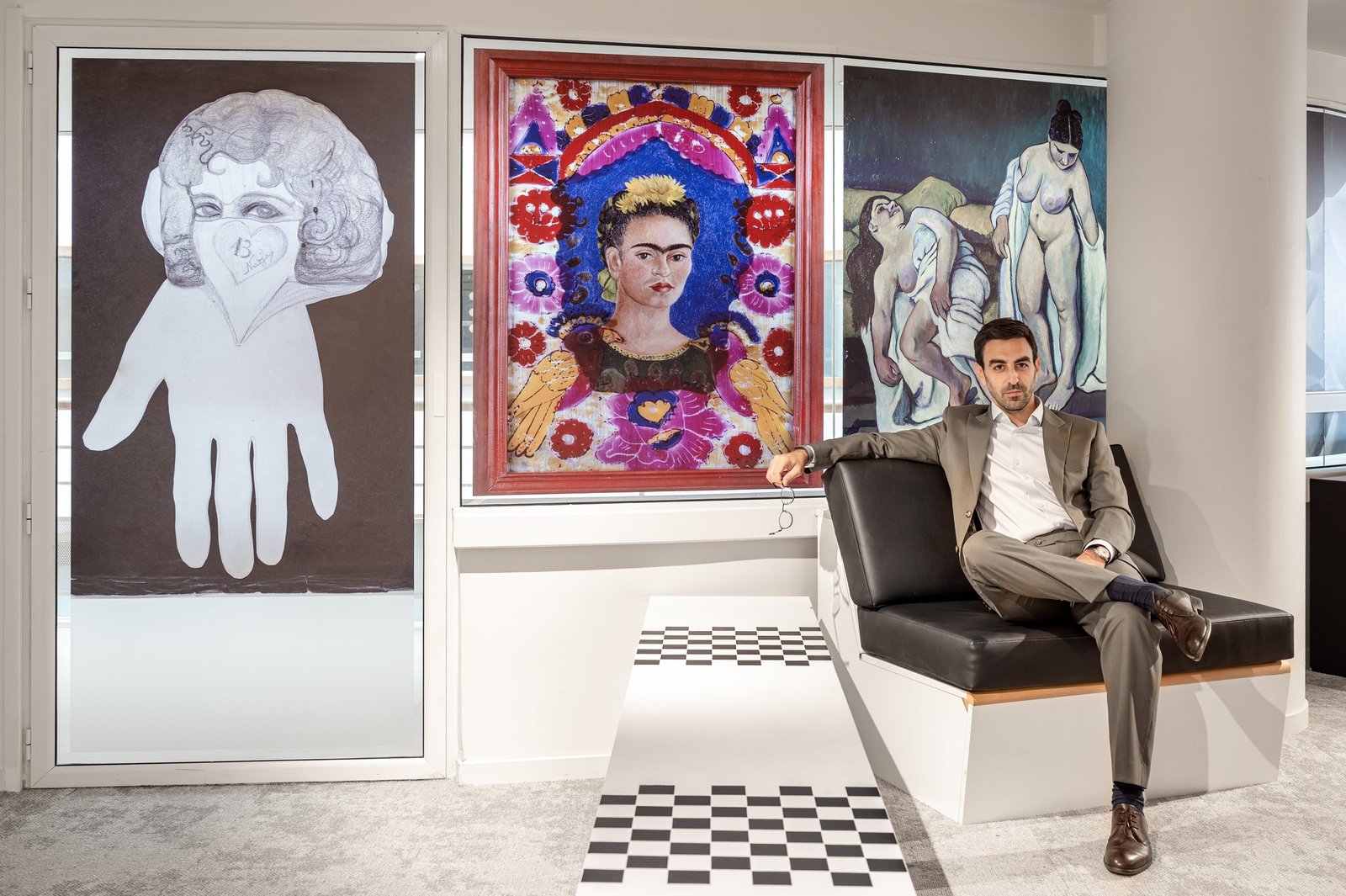
Photography: Estelle Lefevre
Context
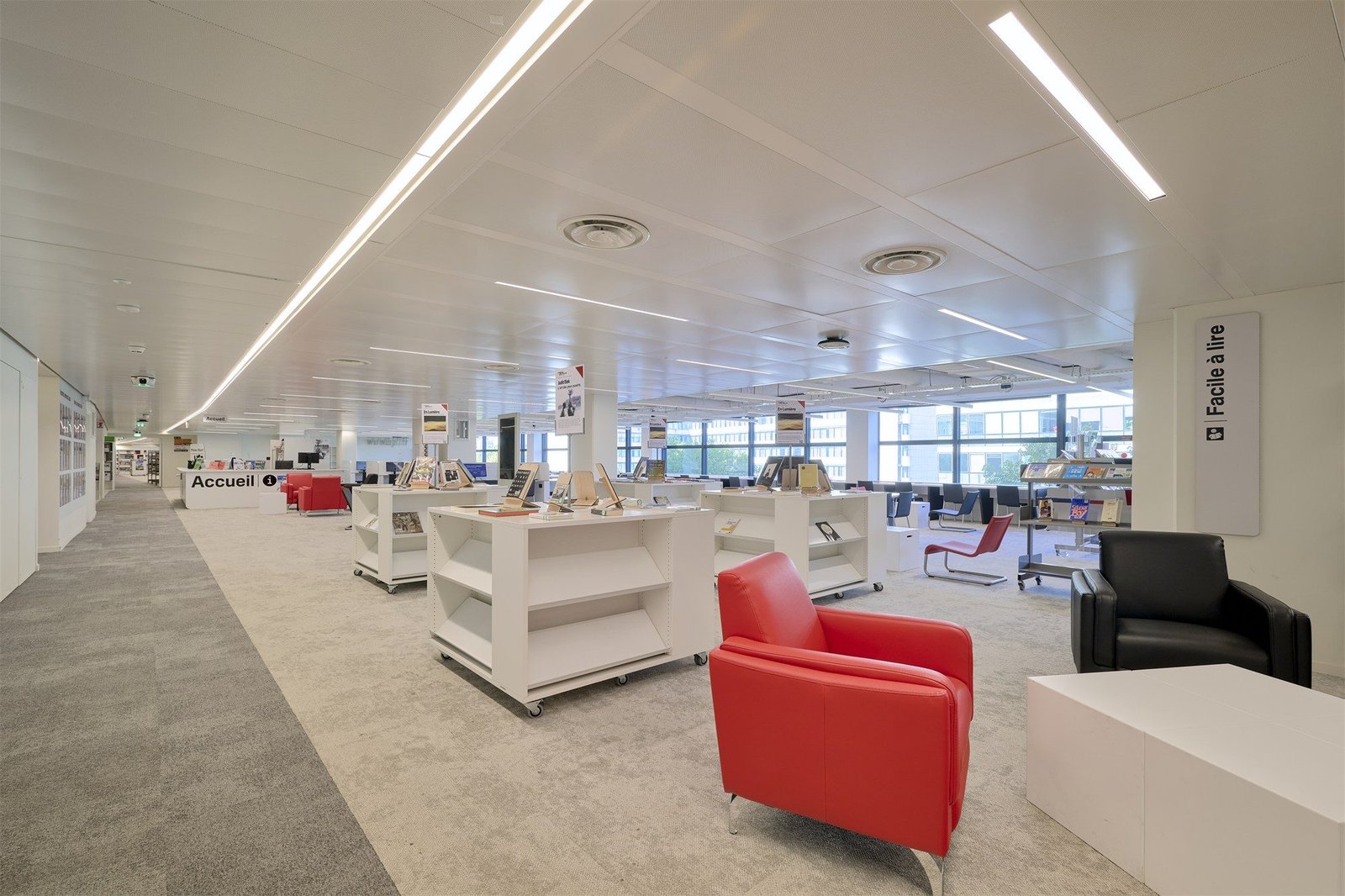
The BPI closed at the Centre Pompidou on 2 March 2025 and opened at Lumière on 25 August 2025. The library occupies the second and third floors of the building’s south wing at 40 avenue des Terroirs de France, in Paris’s 12th arrondissement, near the Parc de Bercy: more than 8,000 m² and around 1,500 seats (bpi.fr).
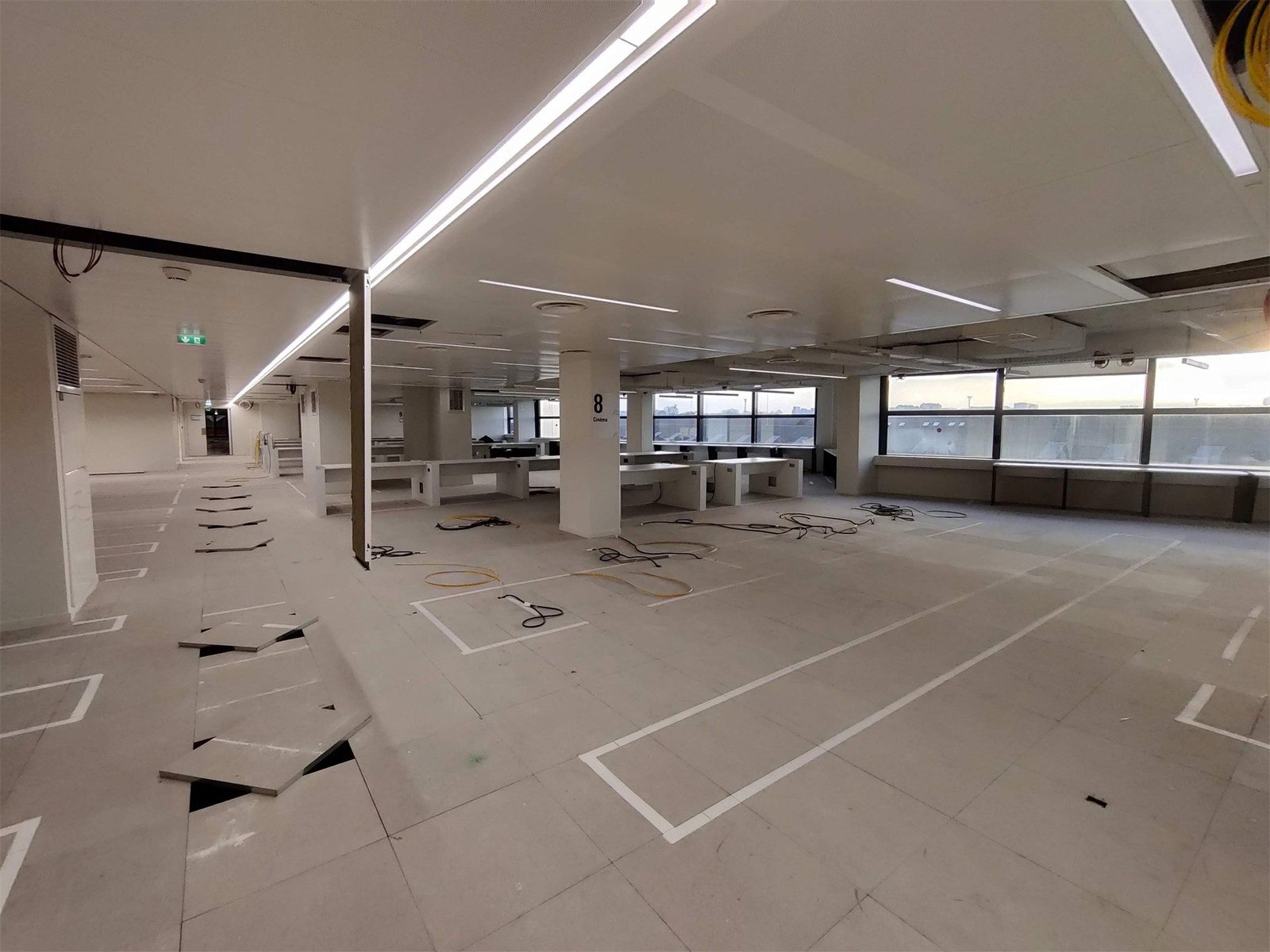
These were office floors, with lower ceilings and more partitions than the open floor plates at Beaubourg. The move combined reuse with new design. Many elements came from Beaubourg, including table tops and almost all the seating (pro.bpi.fr).
- Client: Bibliothèque publique d’information (BPI), Centre Pompidou
- Lead furniture project architect: Andrés Mariño Maza, MARINOMAZA
- Location: Lumière building, 40 avenue des Terroirs de France, 75012 Paris
- Opening: 25 August 2025
- Scope: the full furniture programme of the new library (more than 8,000 m², around 1,500 seats)
- Fabrication: woodworking and metal workshops in Spain
- Shipping: Spanish carriers
- Installation: French and Romanian teams
Design work
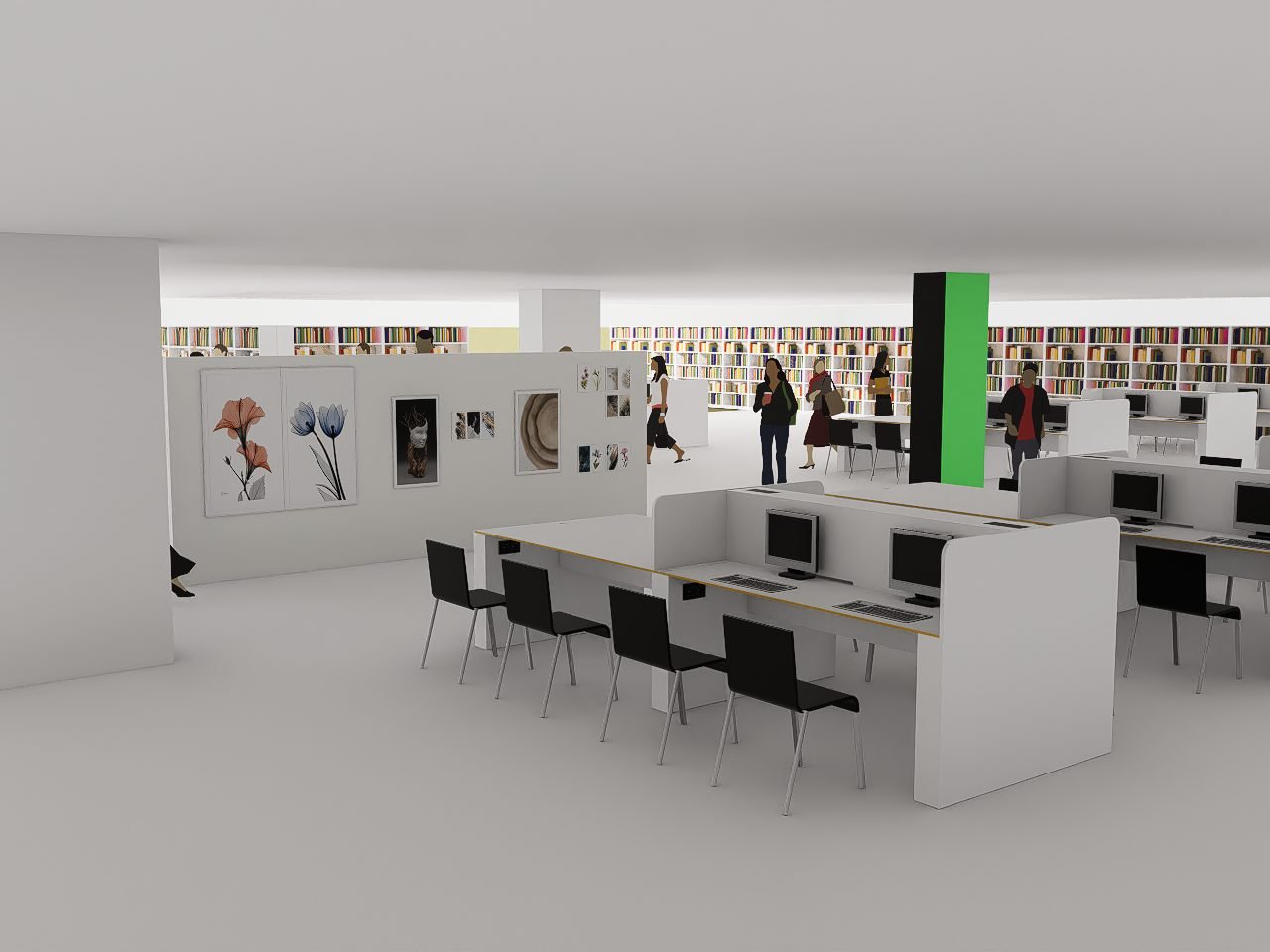
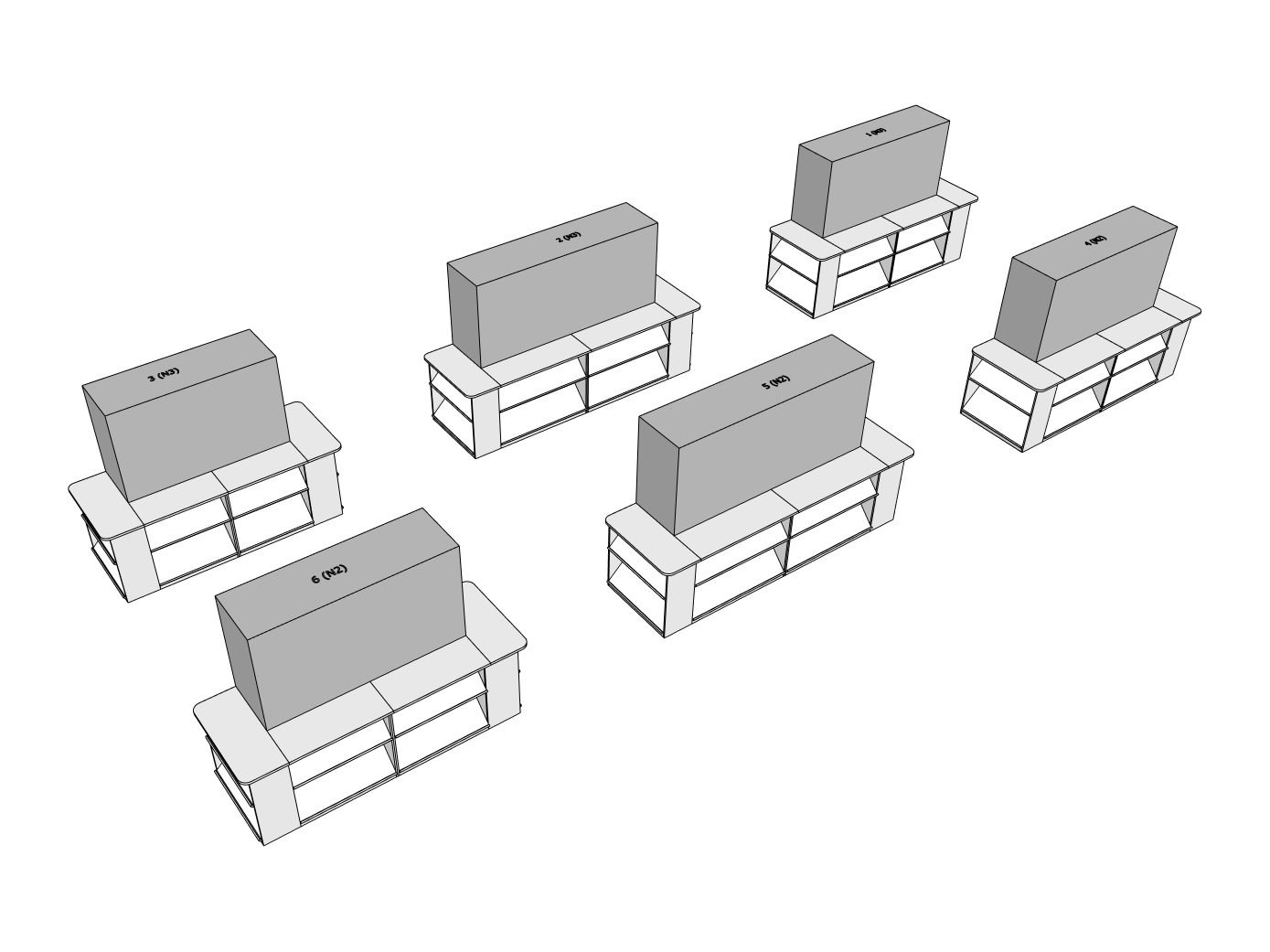
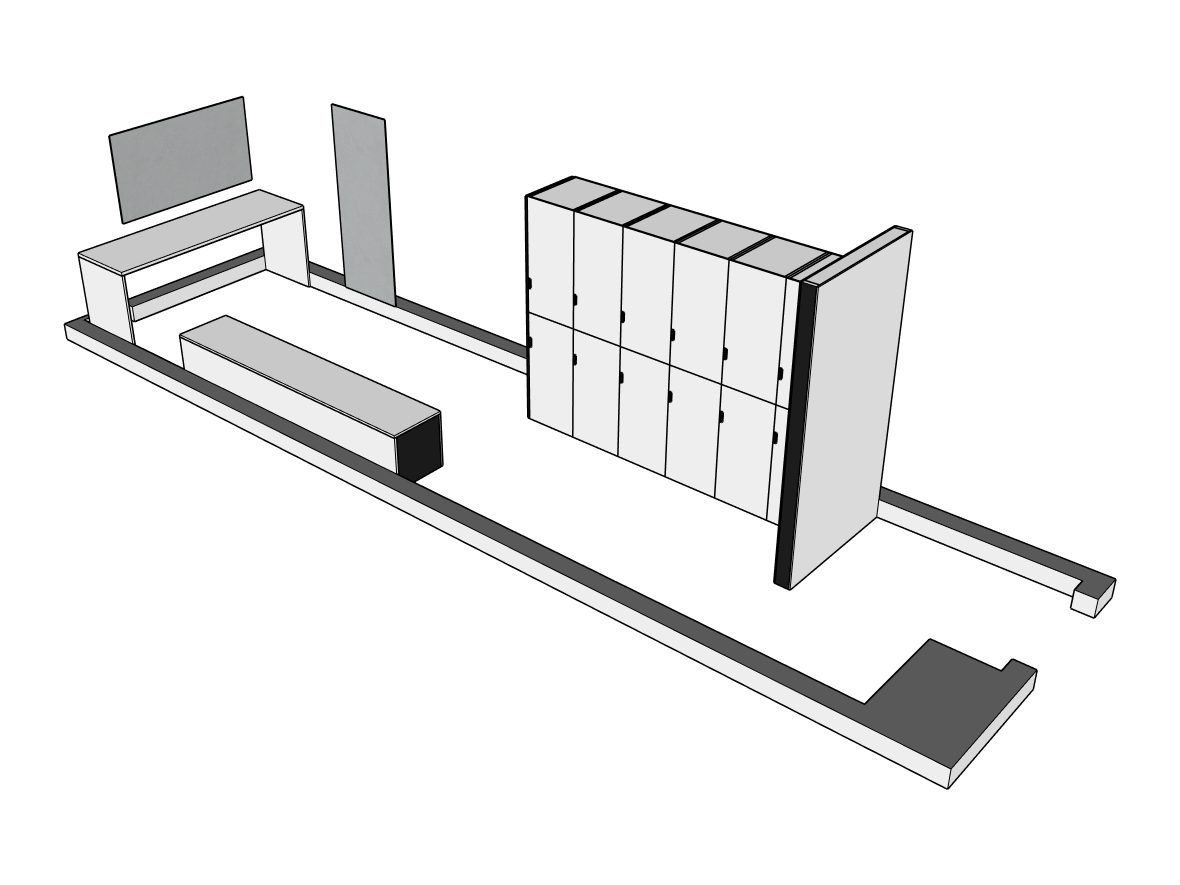
A selection of Andrés’s design drawings and 3D models for the Lumière fit-out, produced between 2023 and 2025.
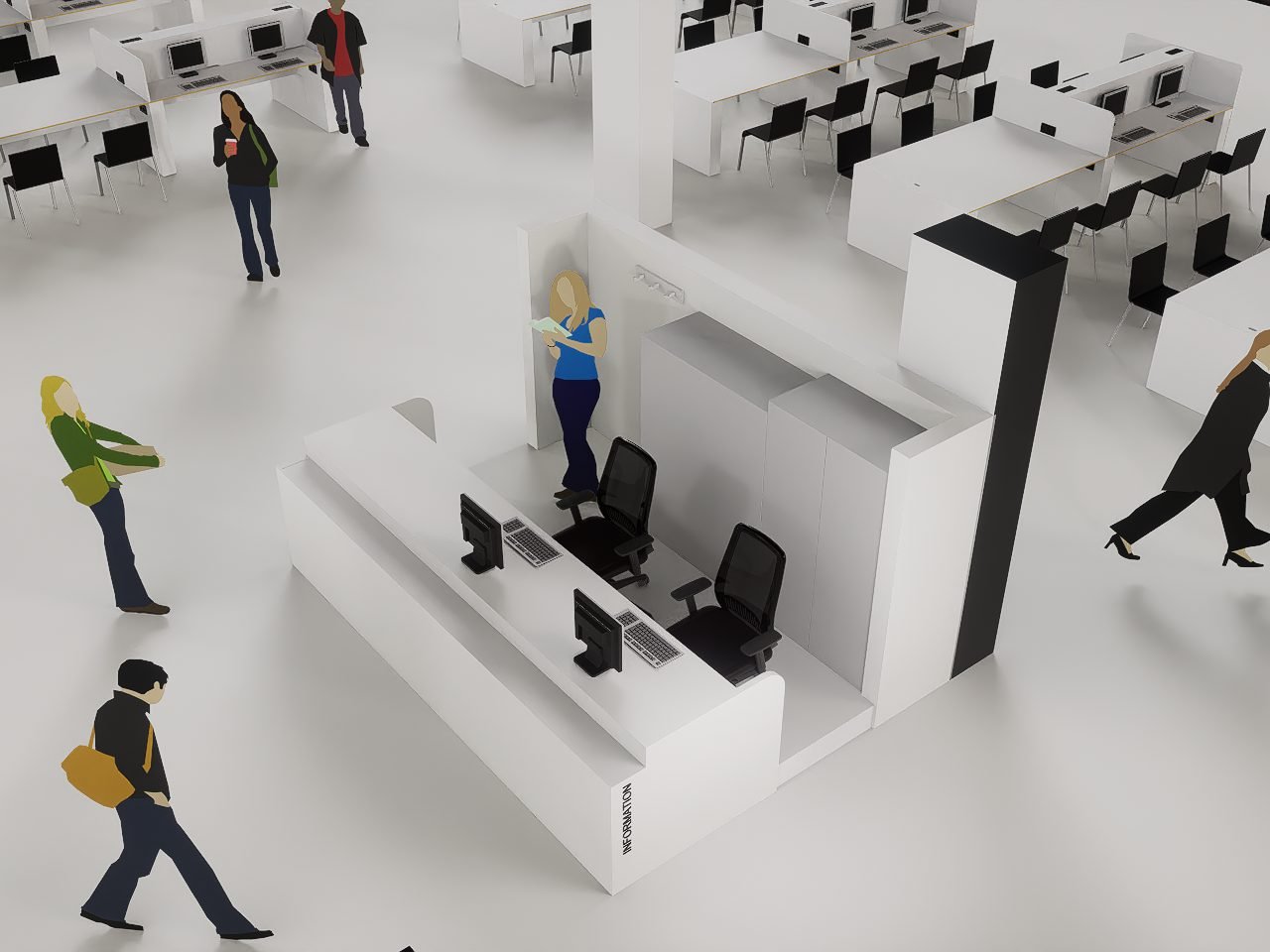
Information desks
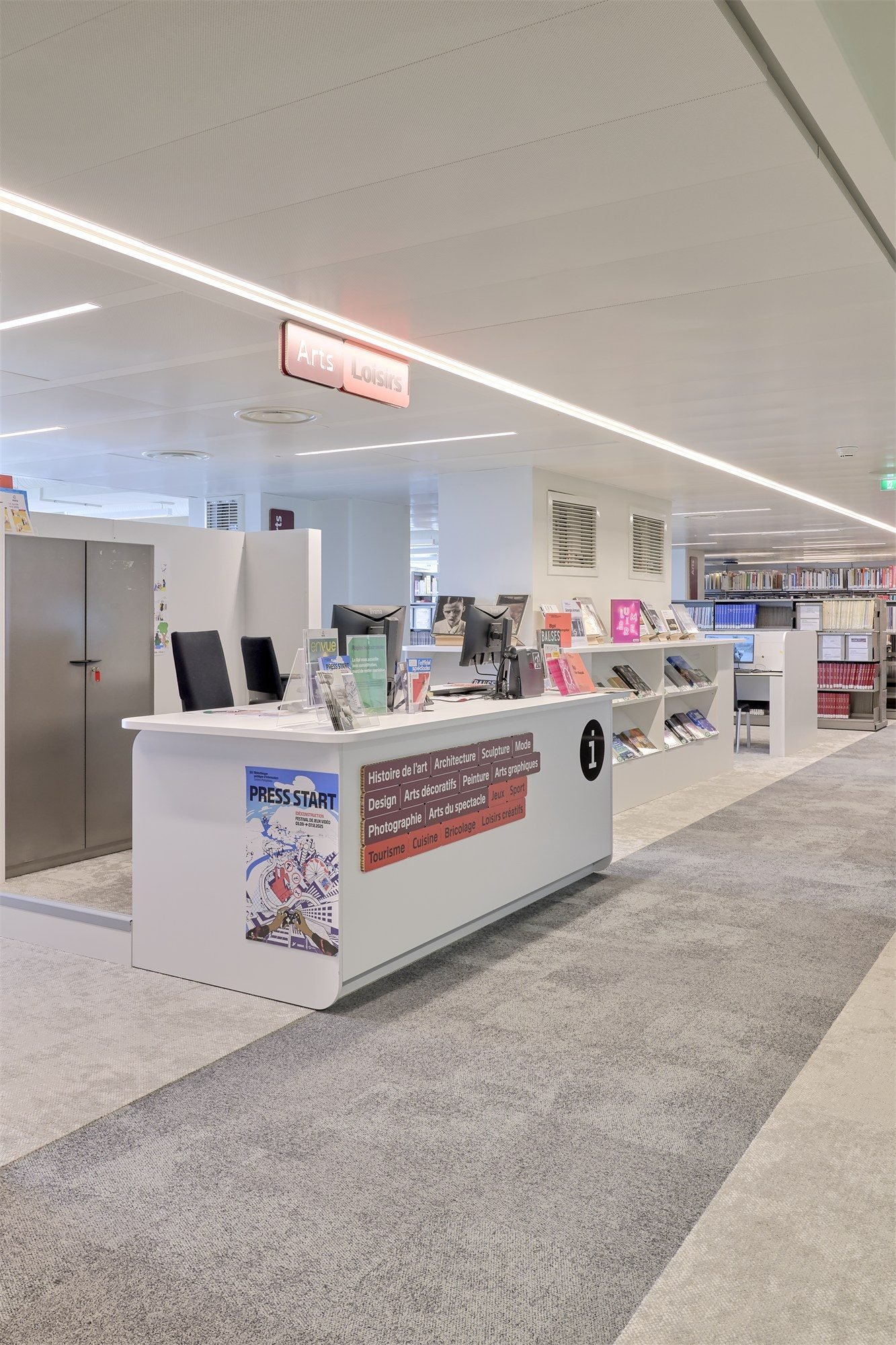
A family of information desks in two- and three-person versions of different lengths, some with storage towers.
Acoustic booths
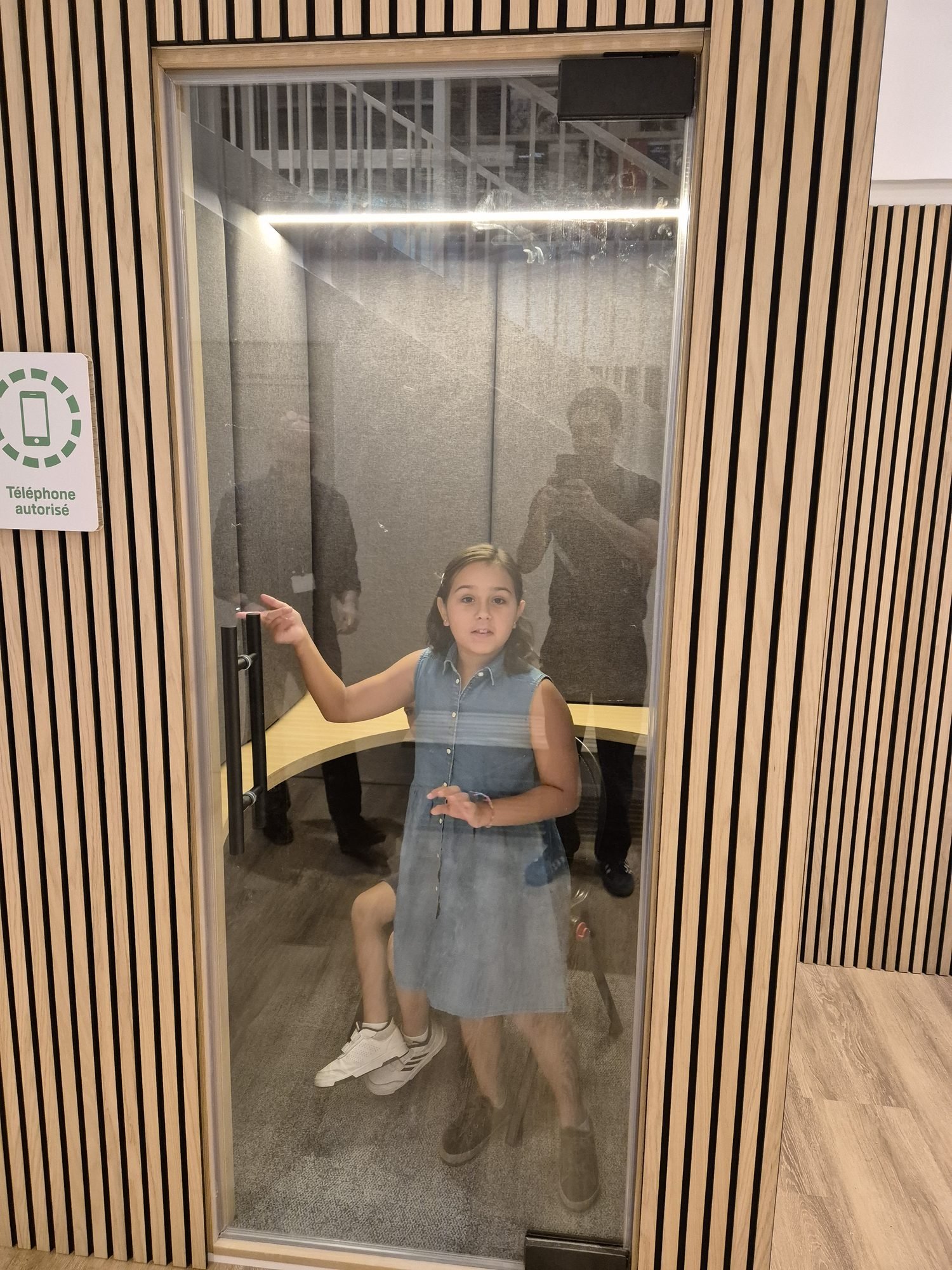
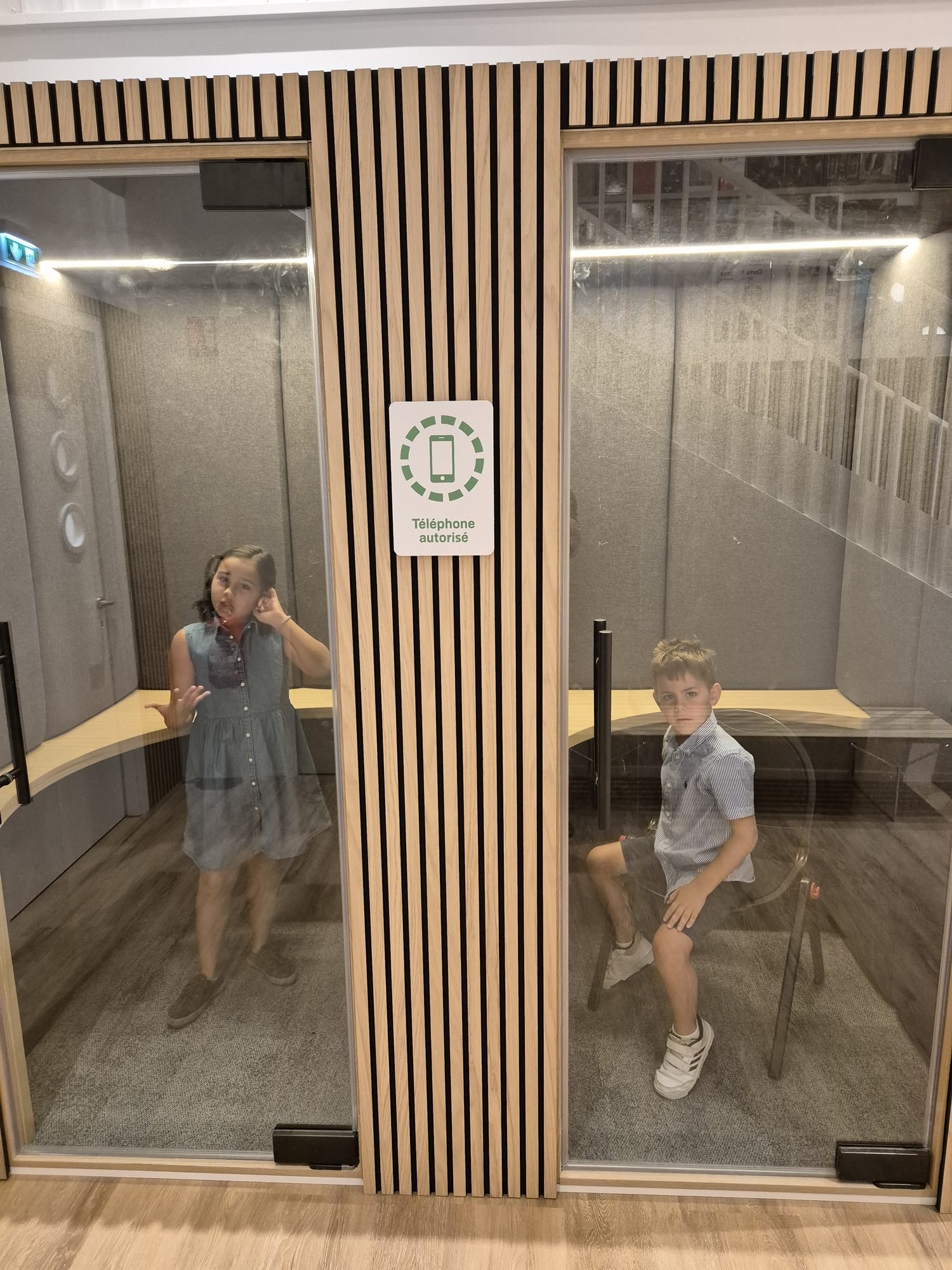
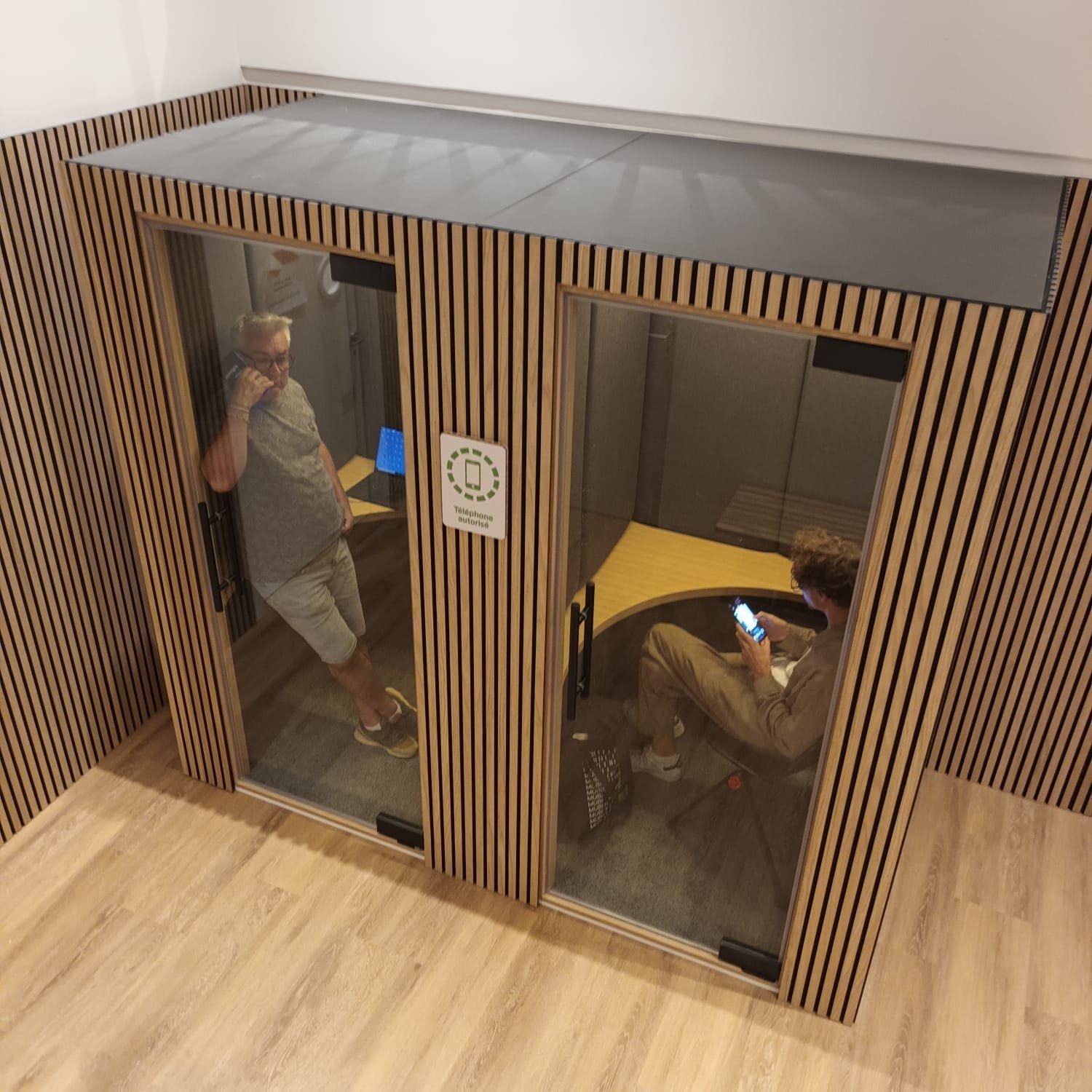
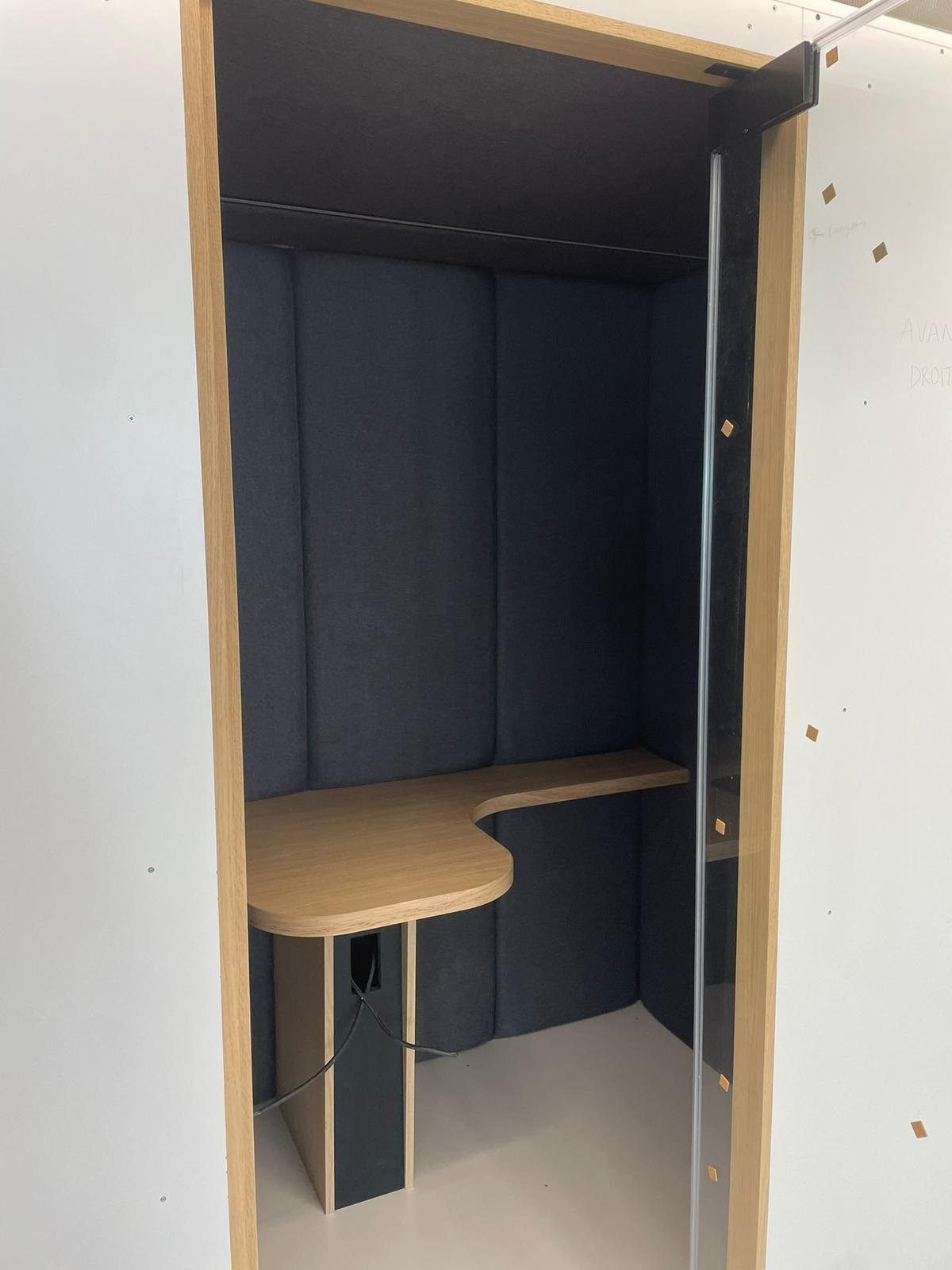
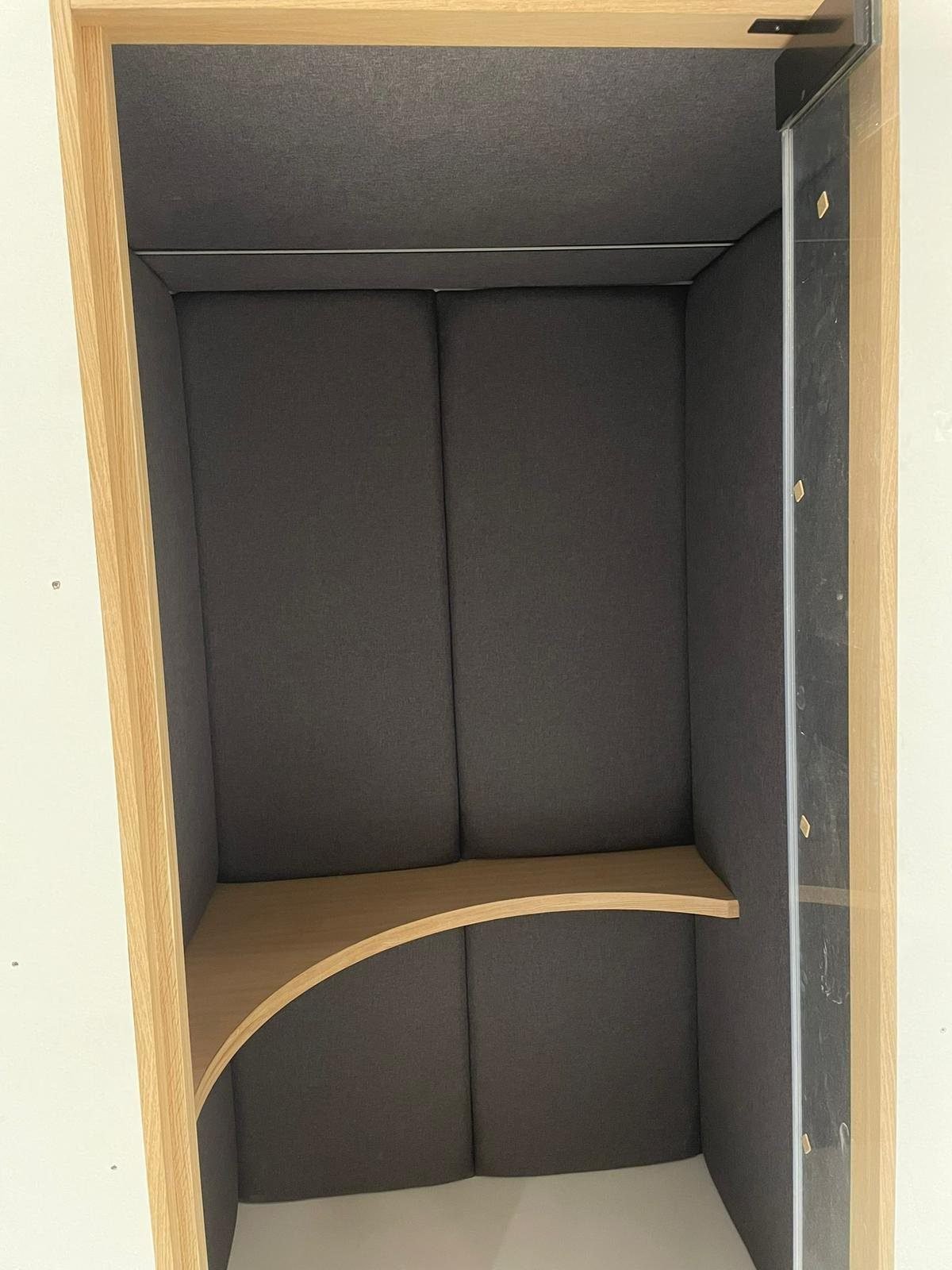
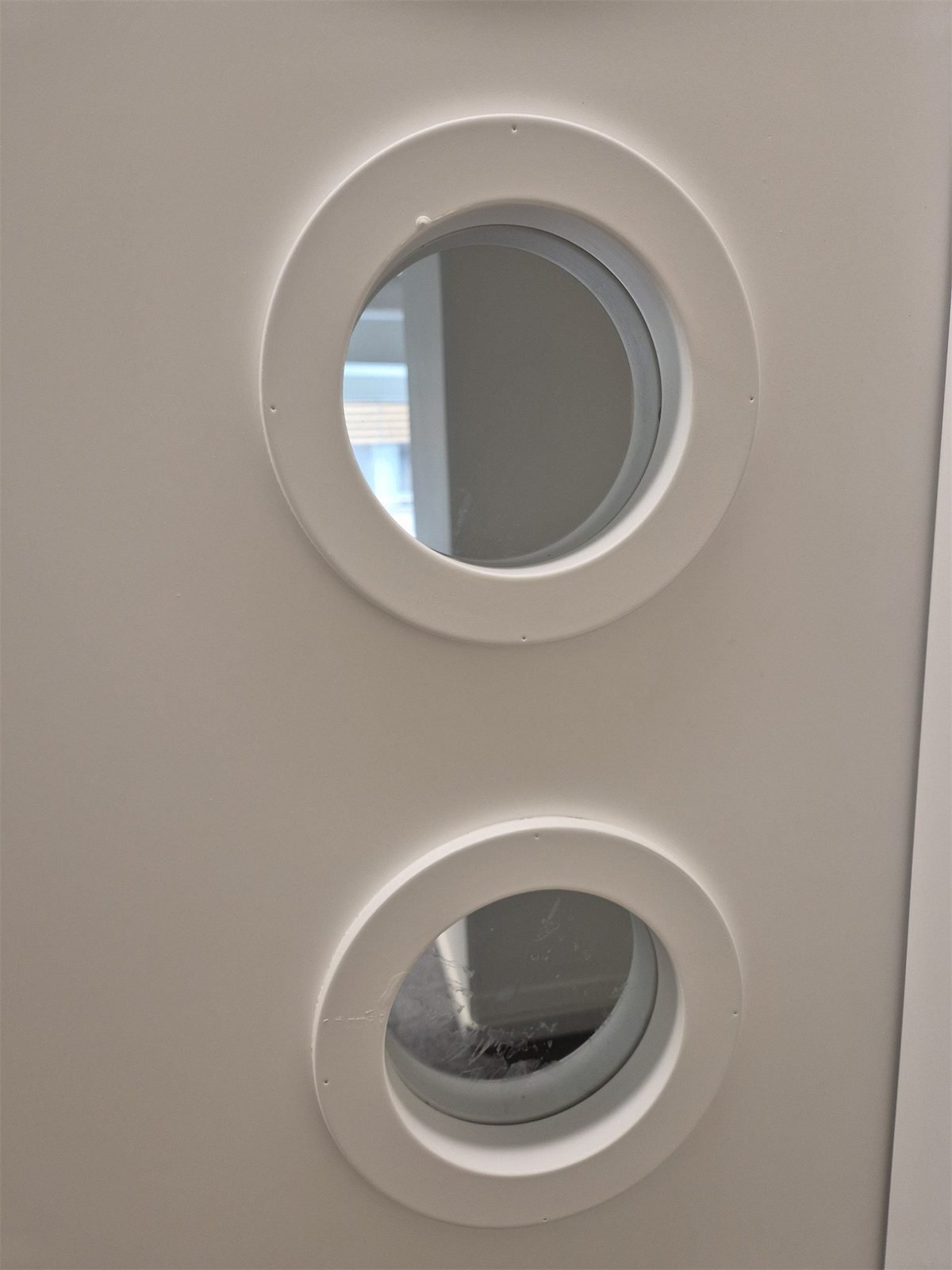
An acoustic booth clad in timber slats, in a single-person version and a larger one.
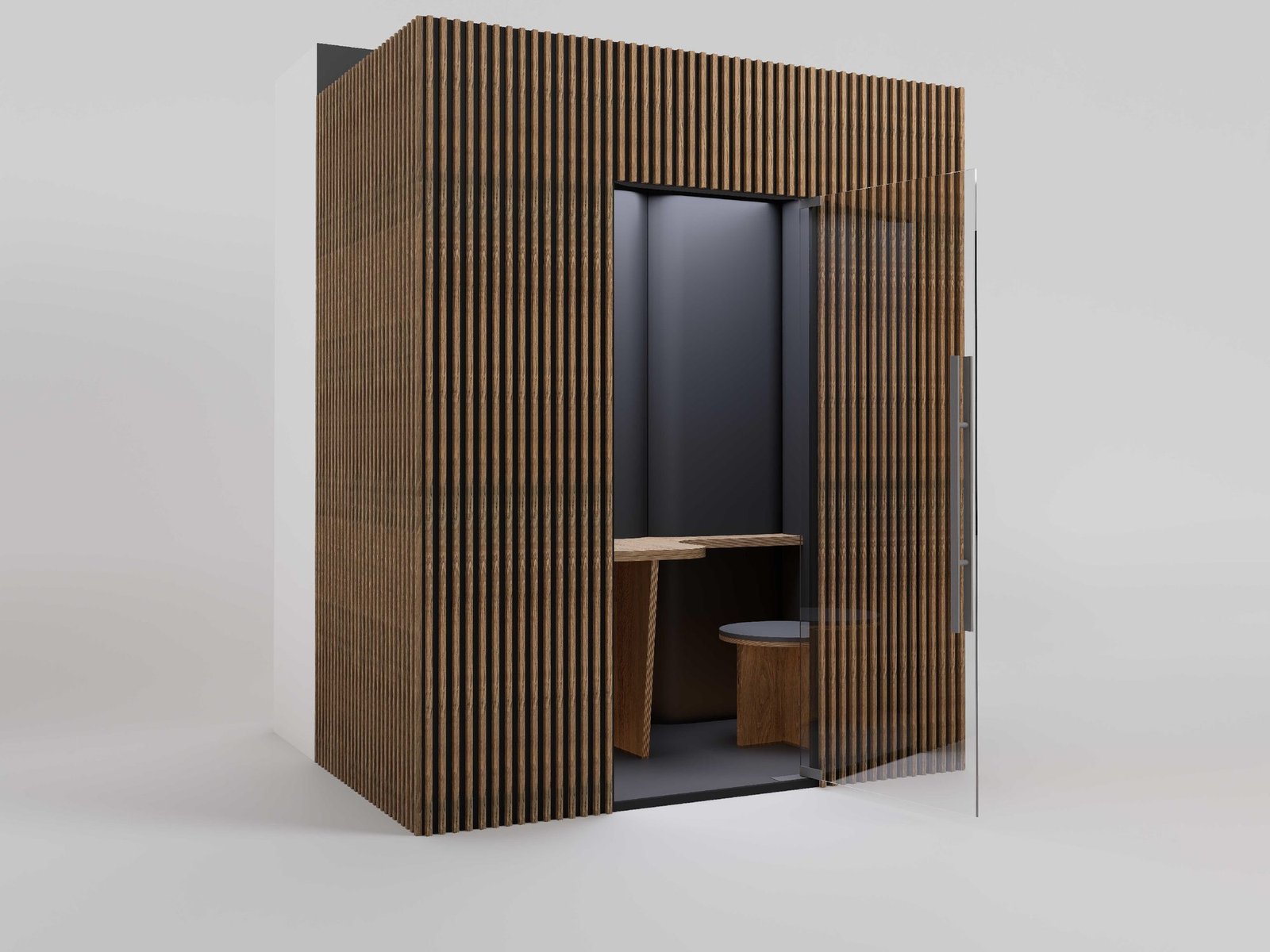
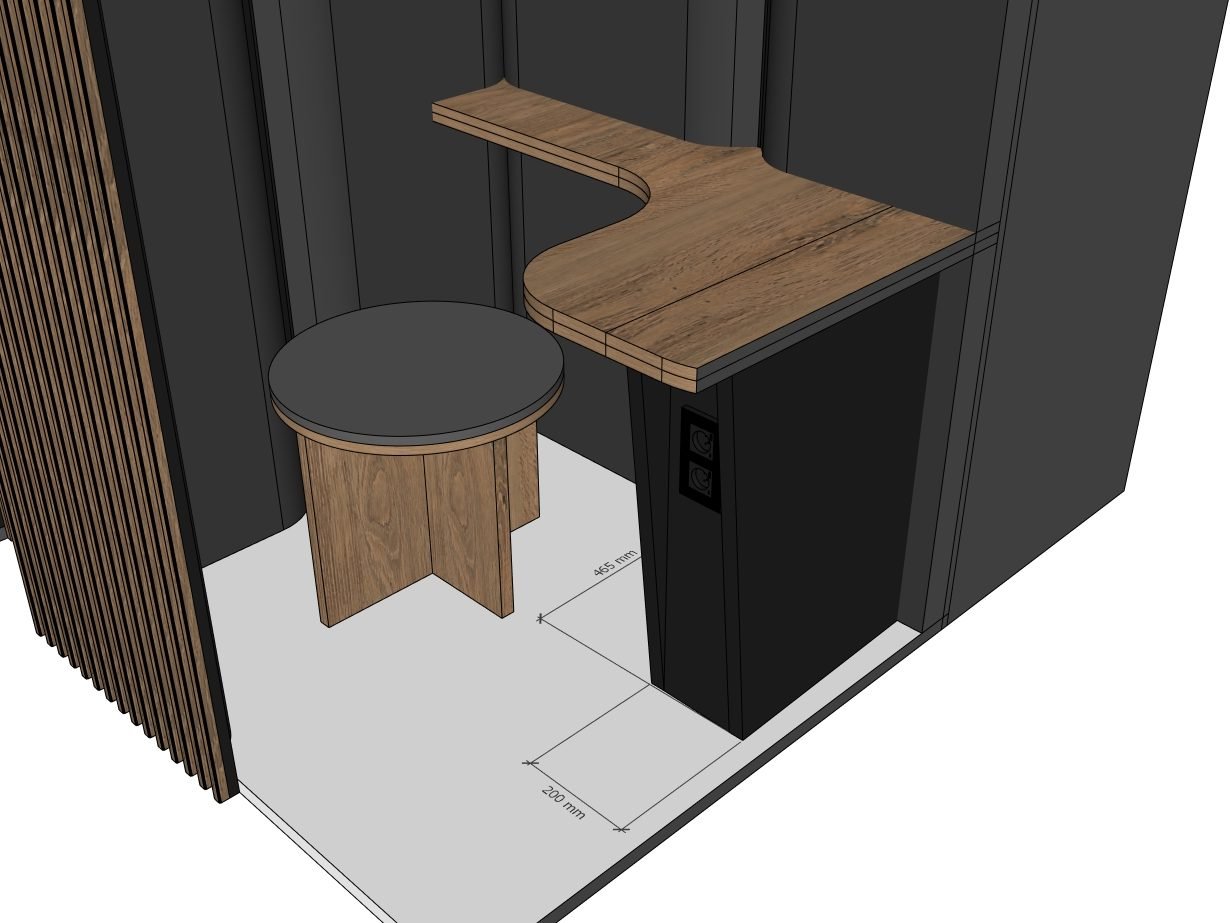
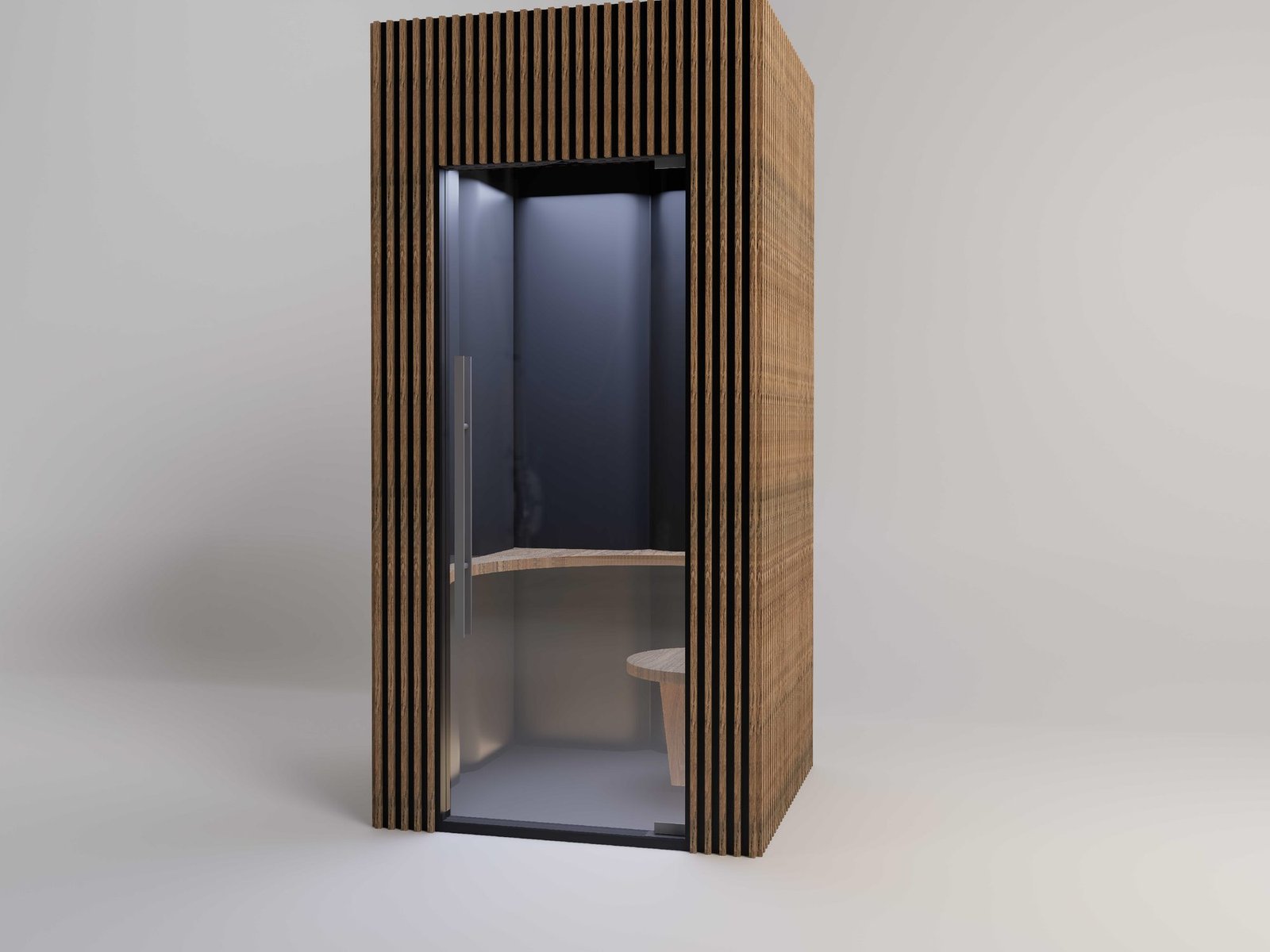
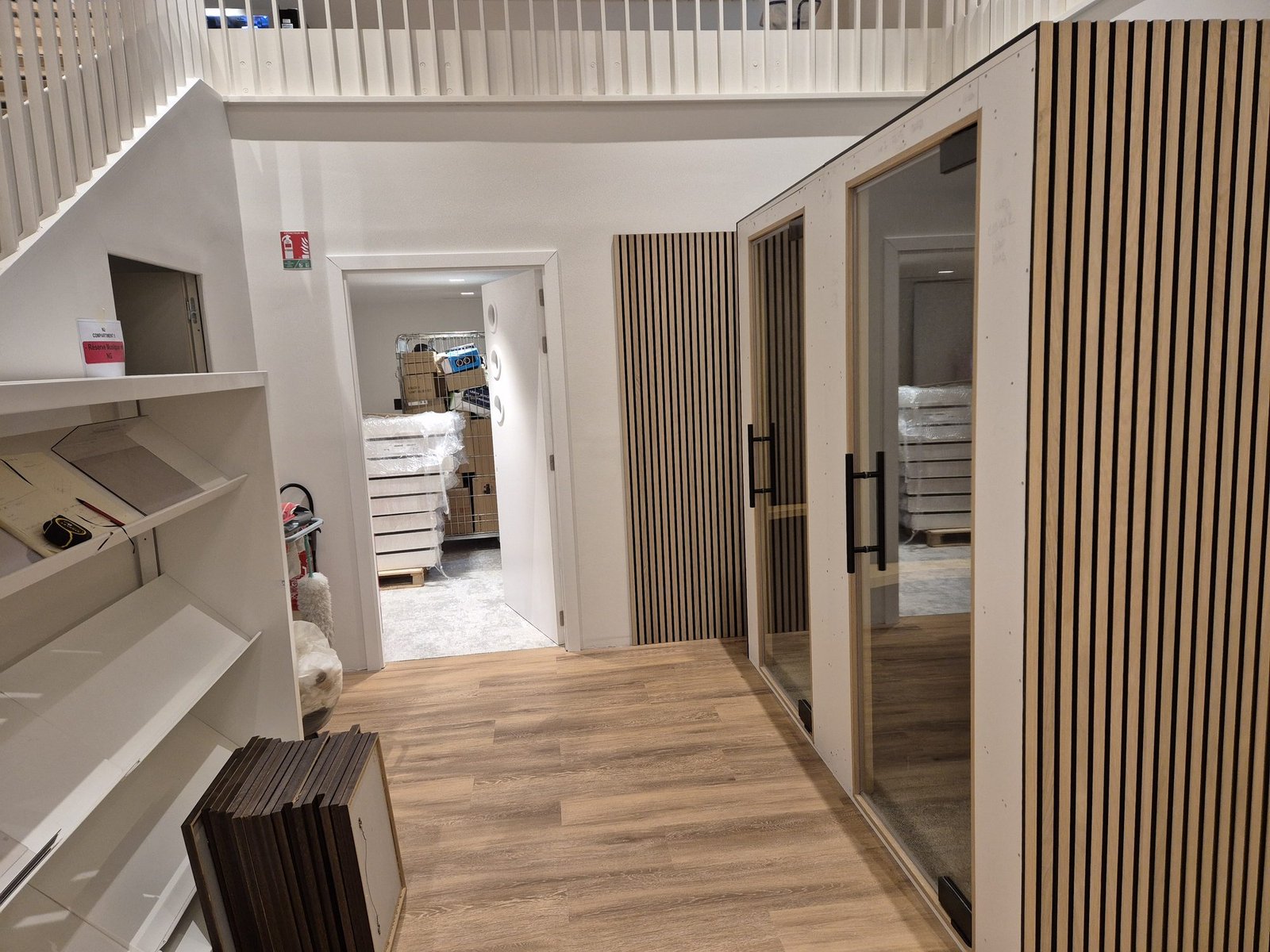
The booths as built and in use at the BPI Lumière.
Study and work tables
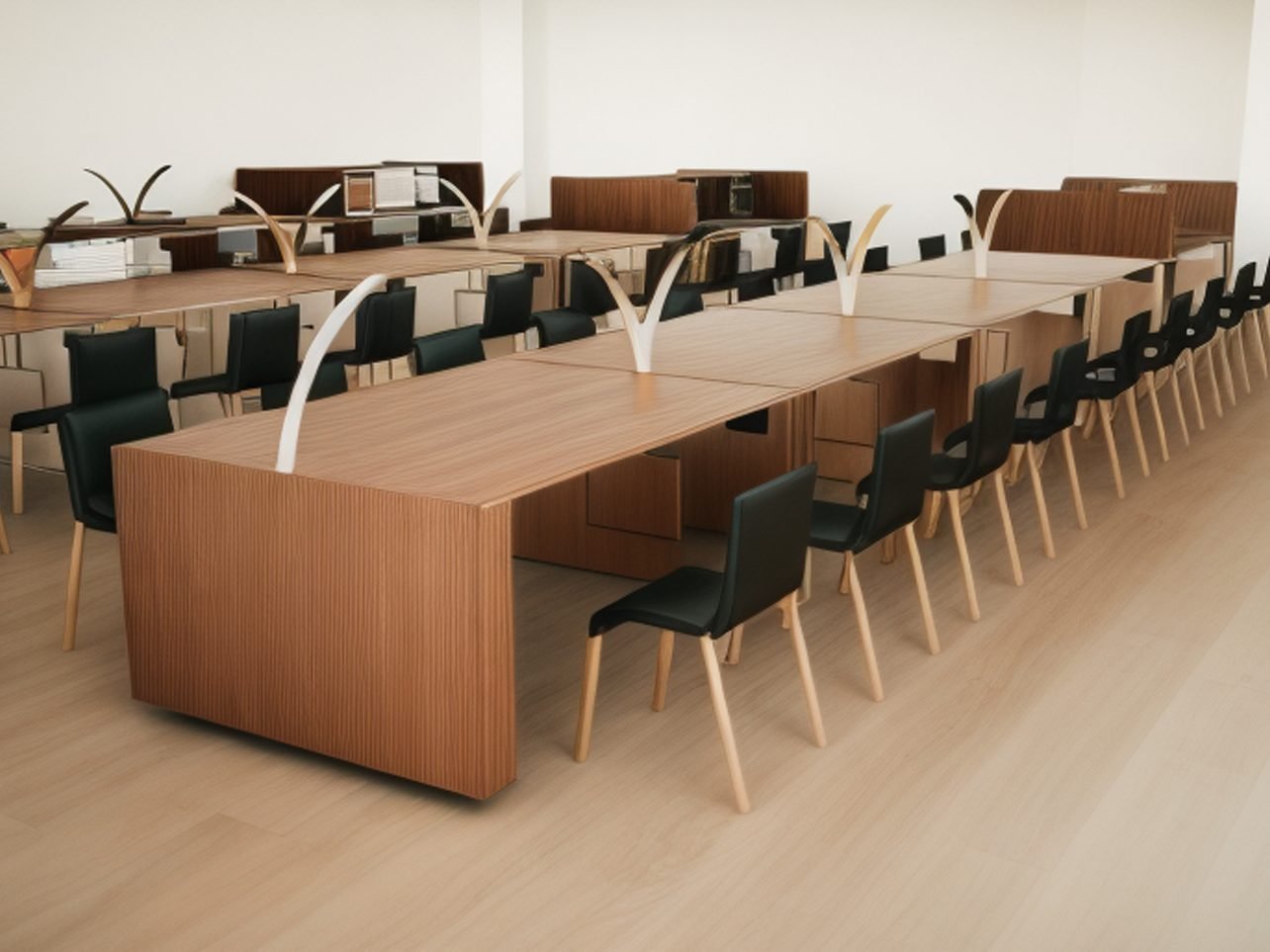
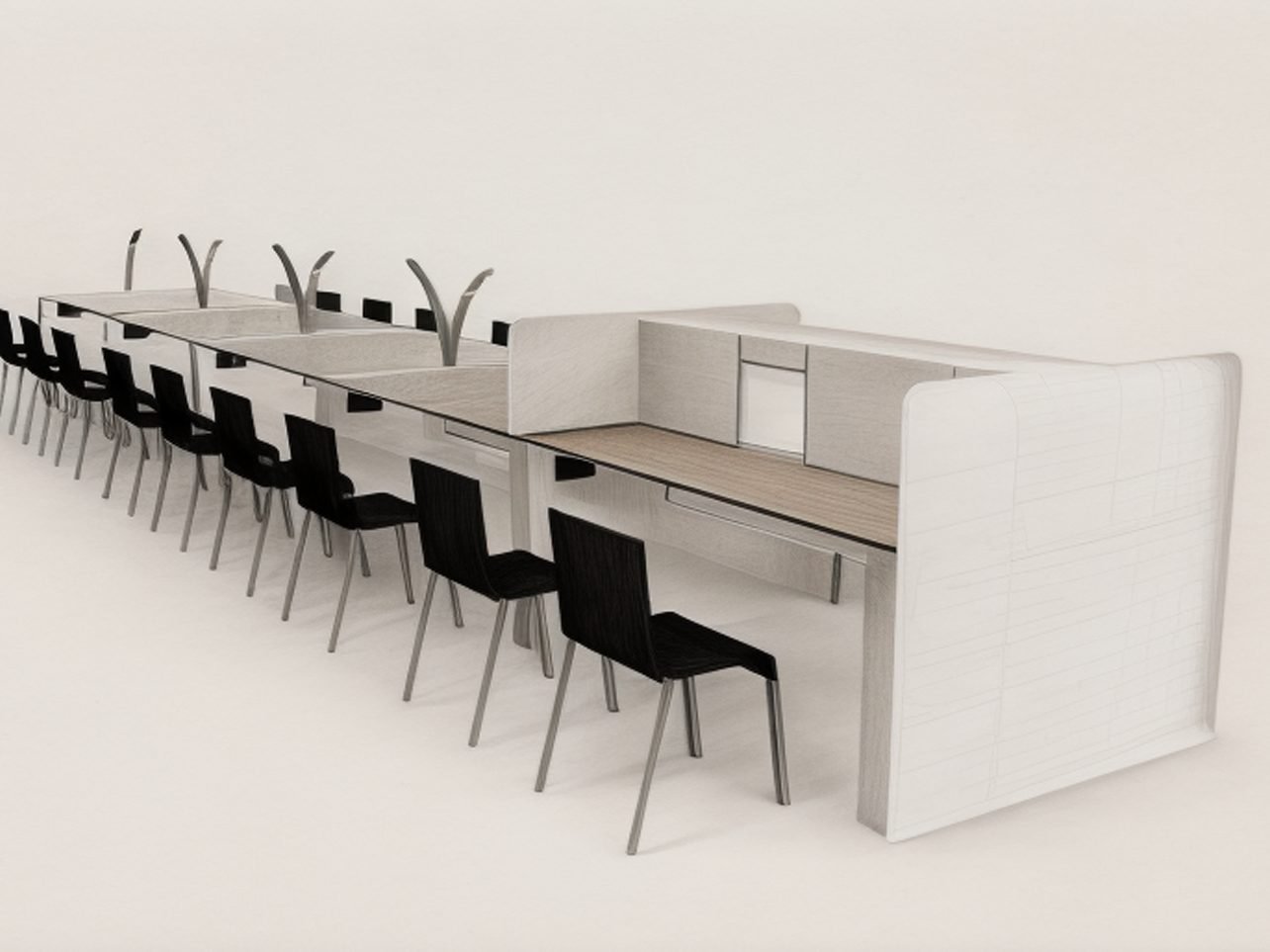
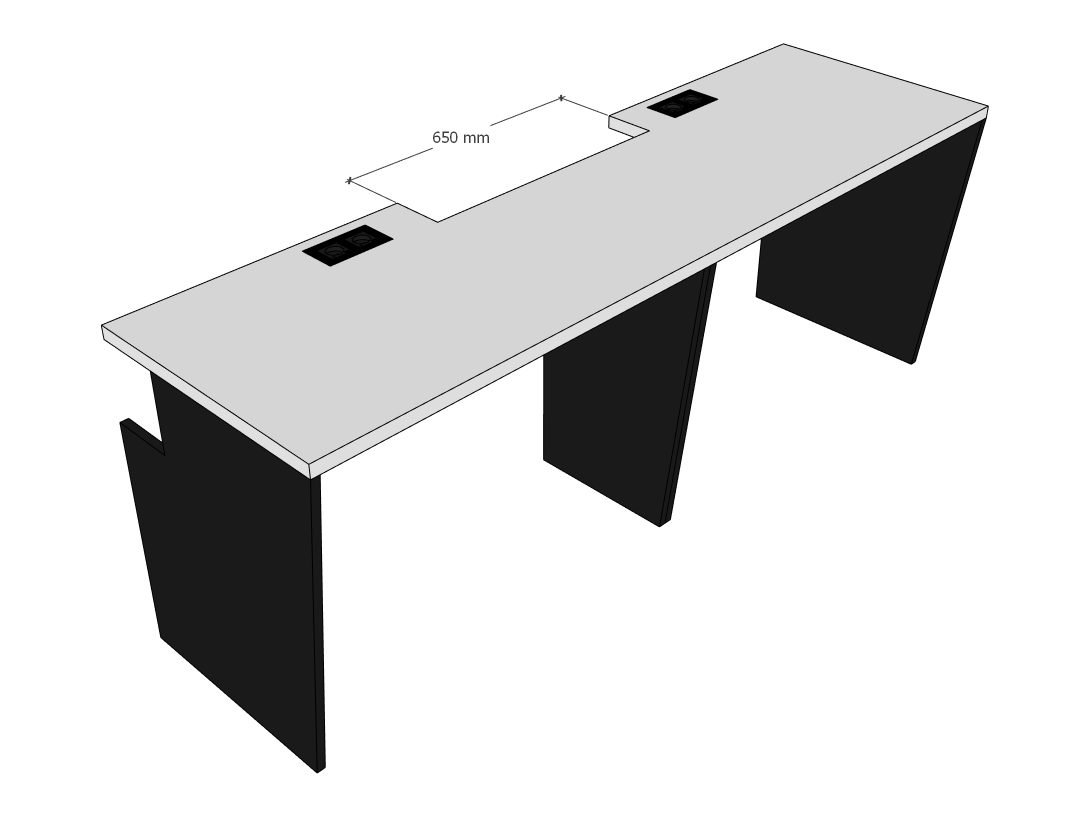
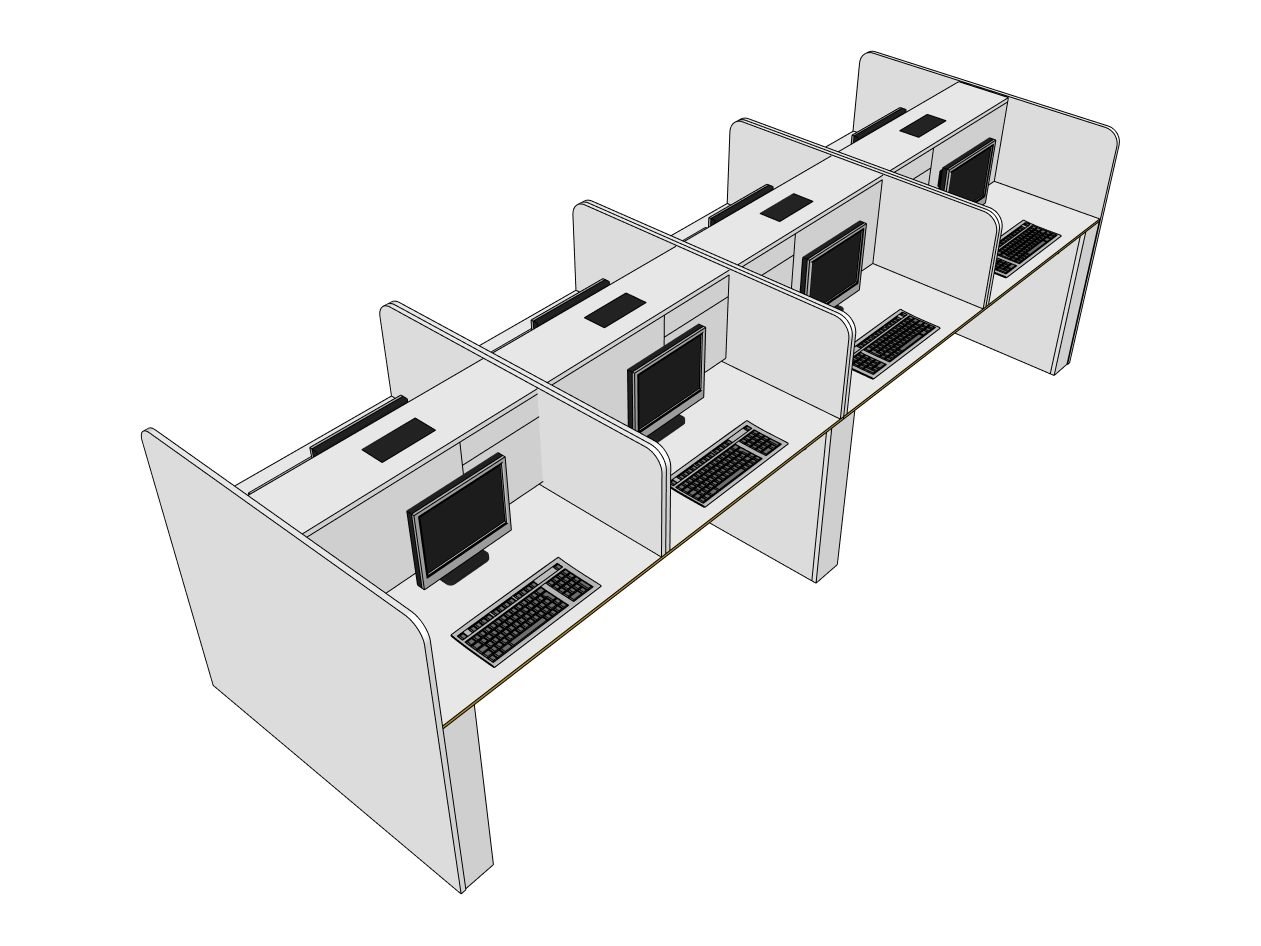
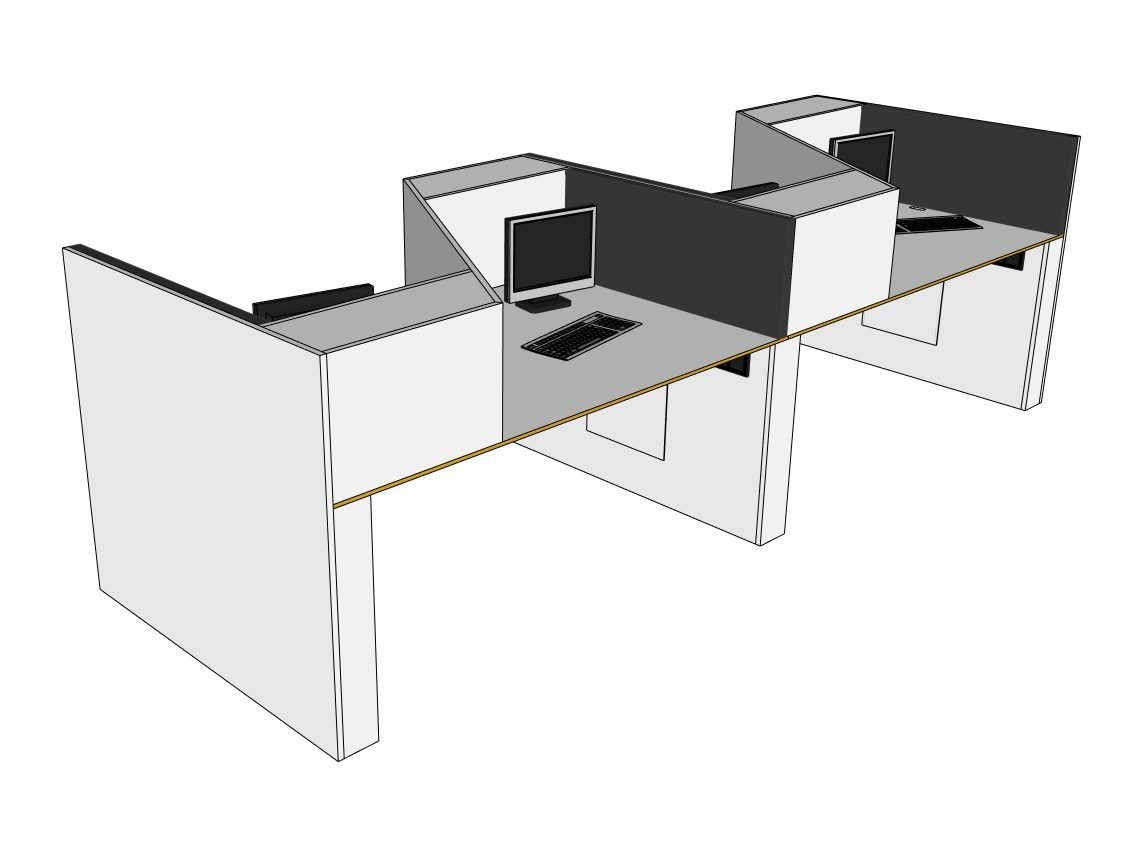
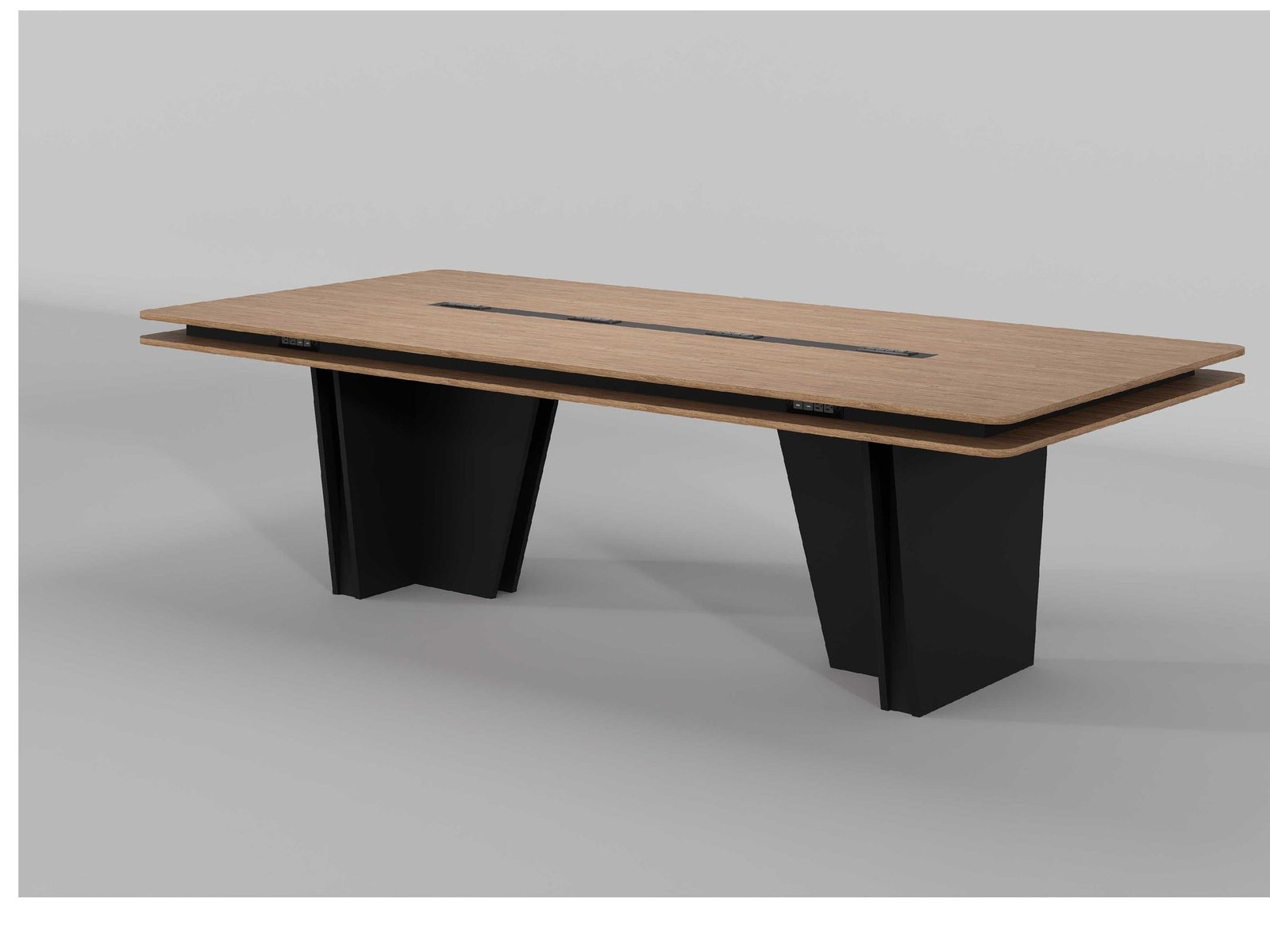
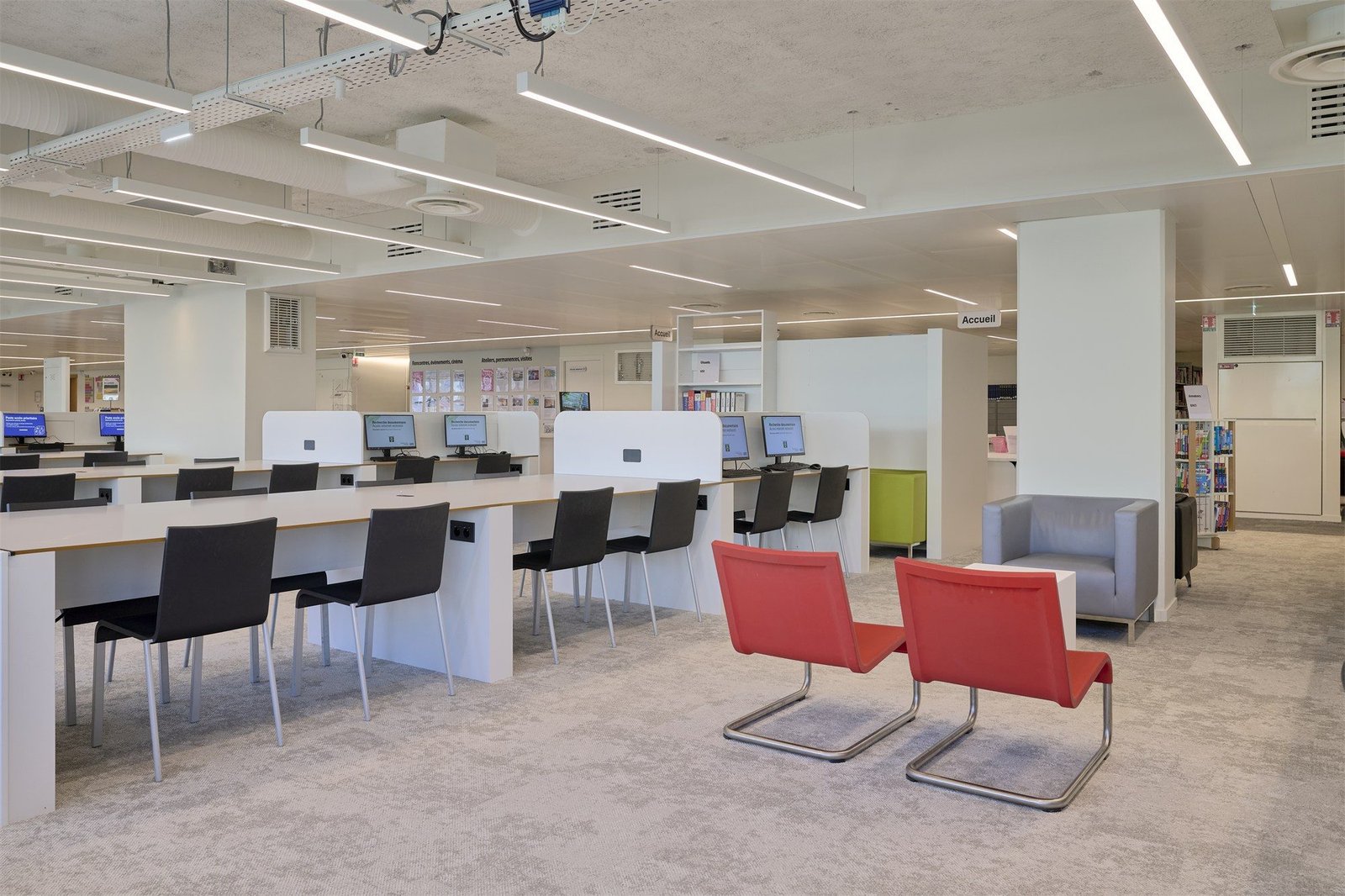
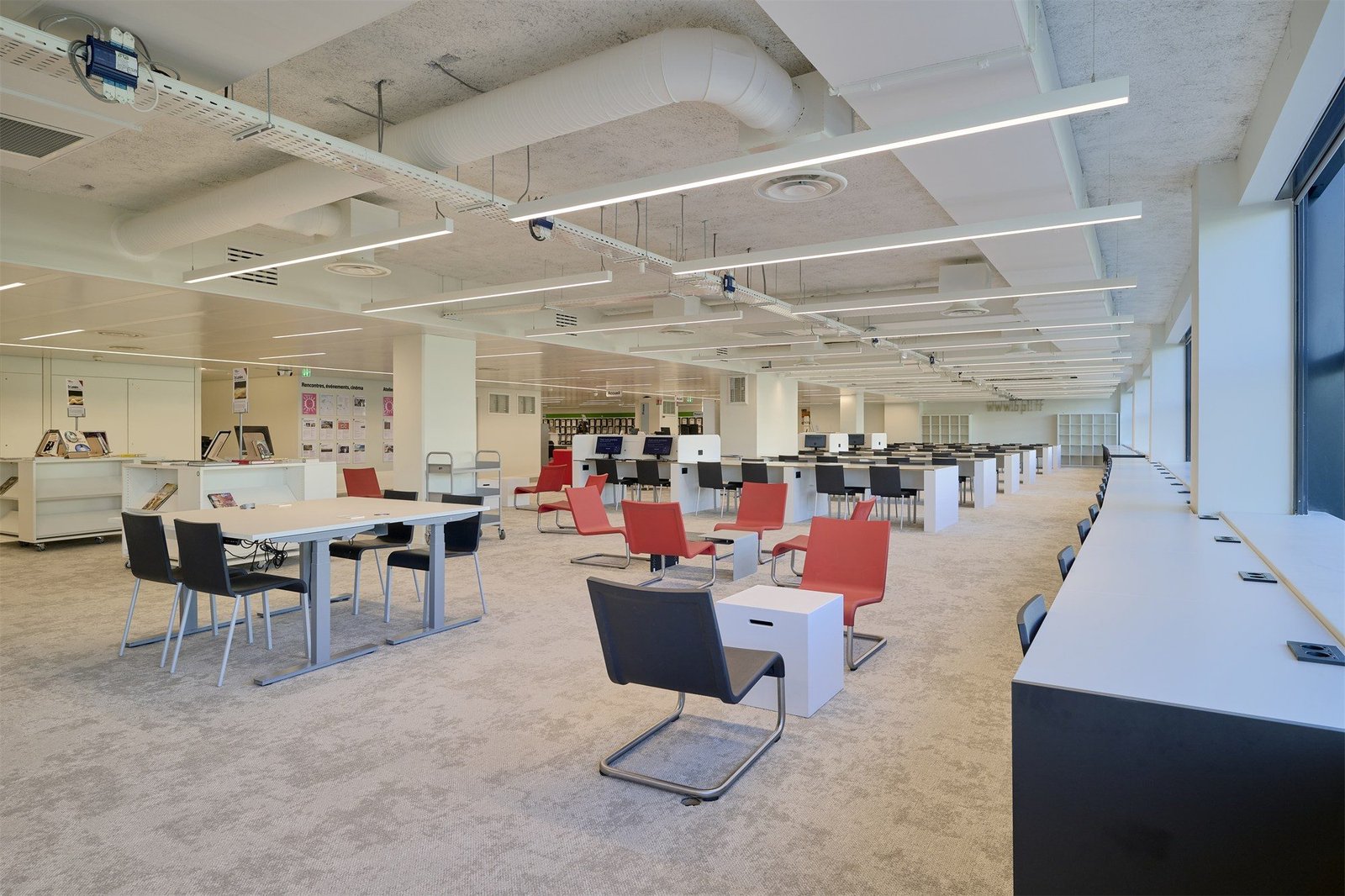
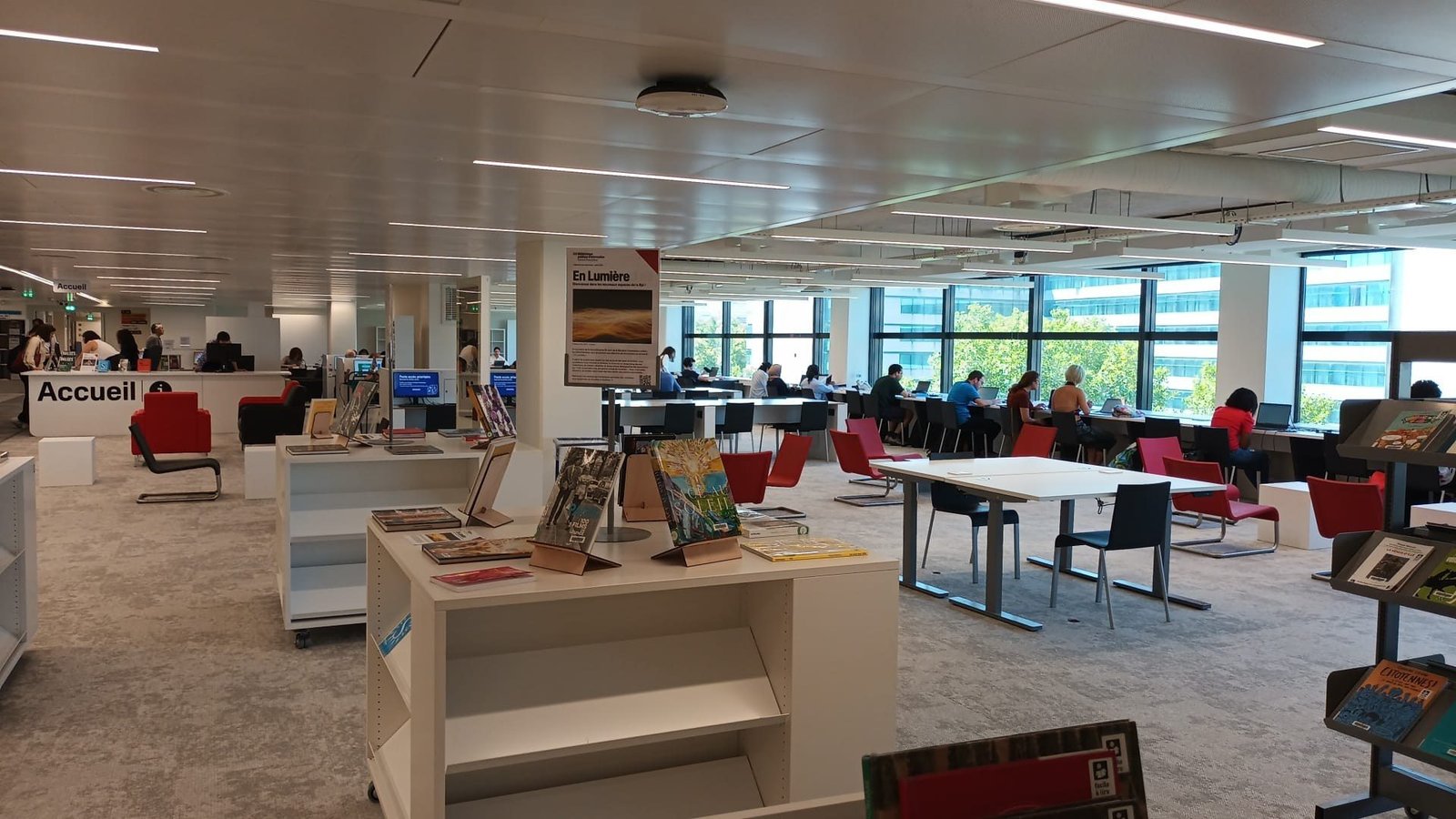
The Lumière study table, with modules for reading and for computers, integrated power and dividers, shown in wood and in white. Alongside it: a reading table for the façade, self-training workstations, a cinema viewing table and a meeting table.
Seating, display and storage
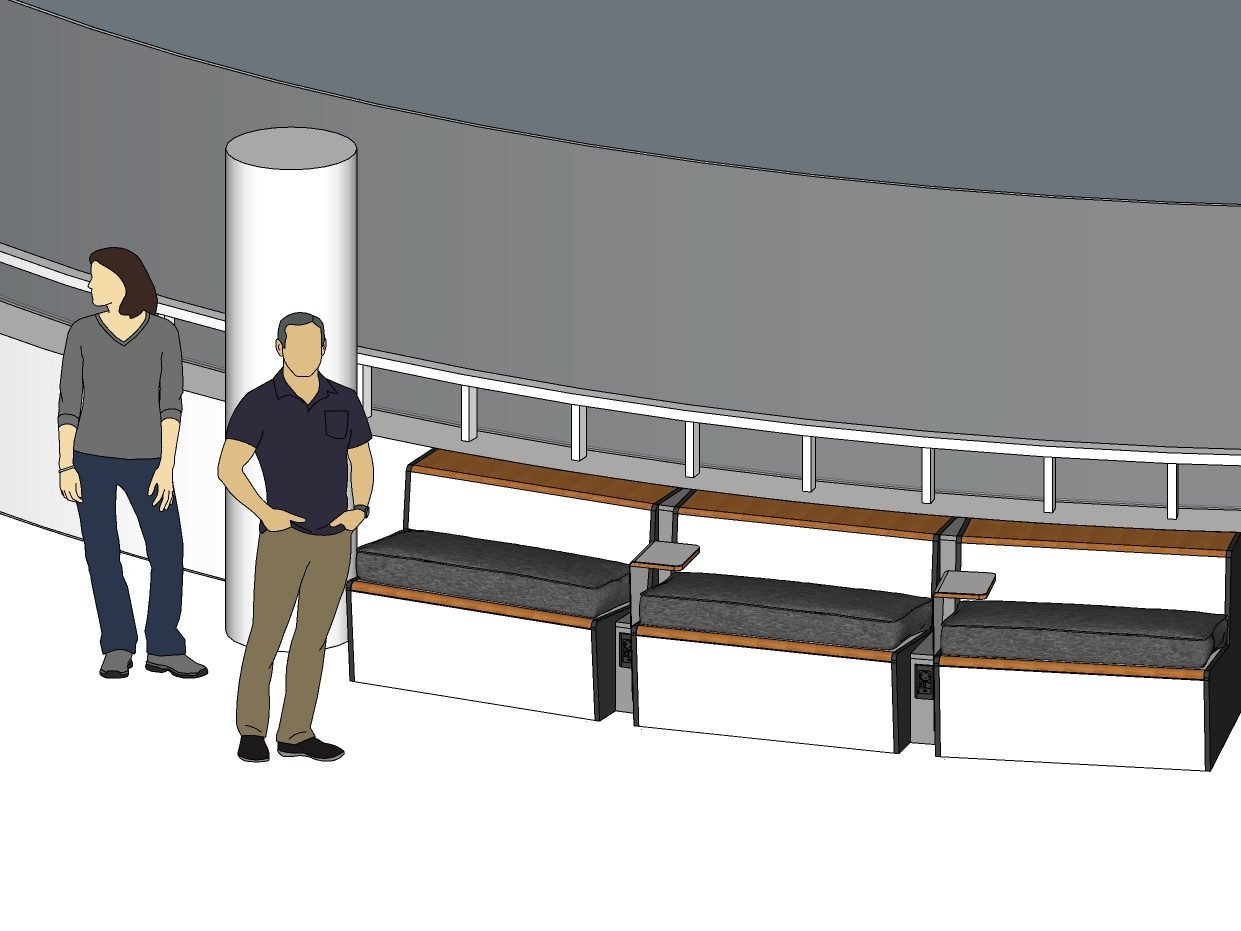
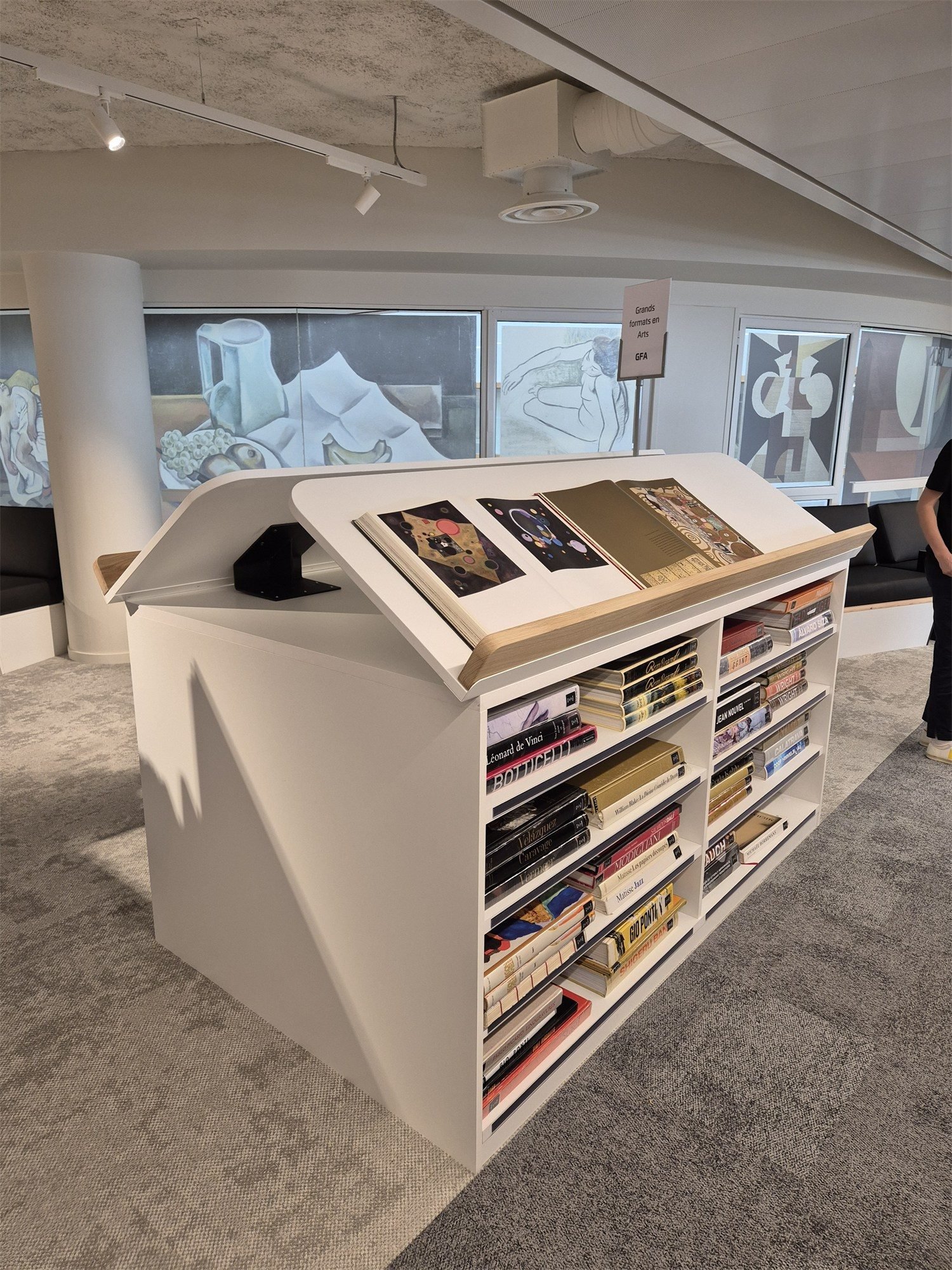
Upholstered lounge benches with timber armrests, book display units (meubles de valorisation) and staff lockers.
Pragmatic sustainability
The aim was to build in ecological criteria without making the project more complicated or expensive: certified, locally sourced wood, CNC cutting to minimise waste and an assembly system that needs no heavy tools, so everything can be put together on site. The furniture can be taken apart and moved without special machinery, and at the end of the temporary period 90% of the components can be reused.
Installation
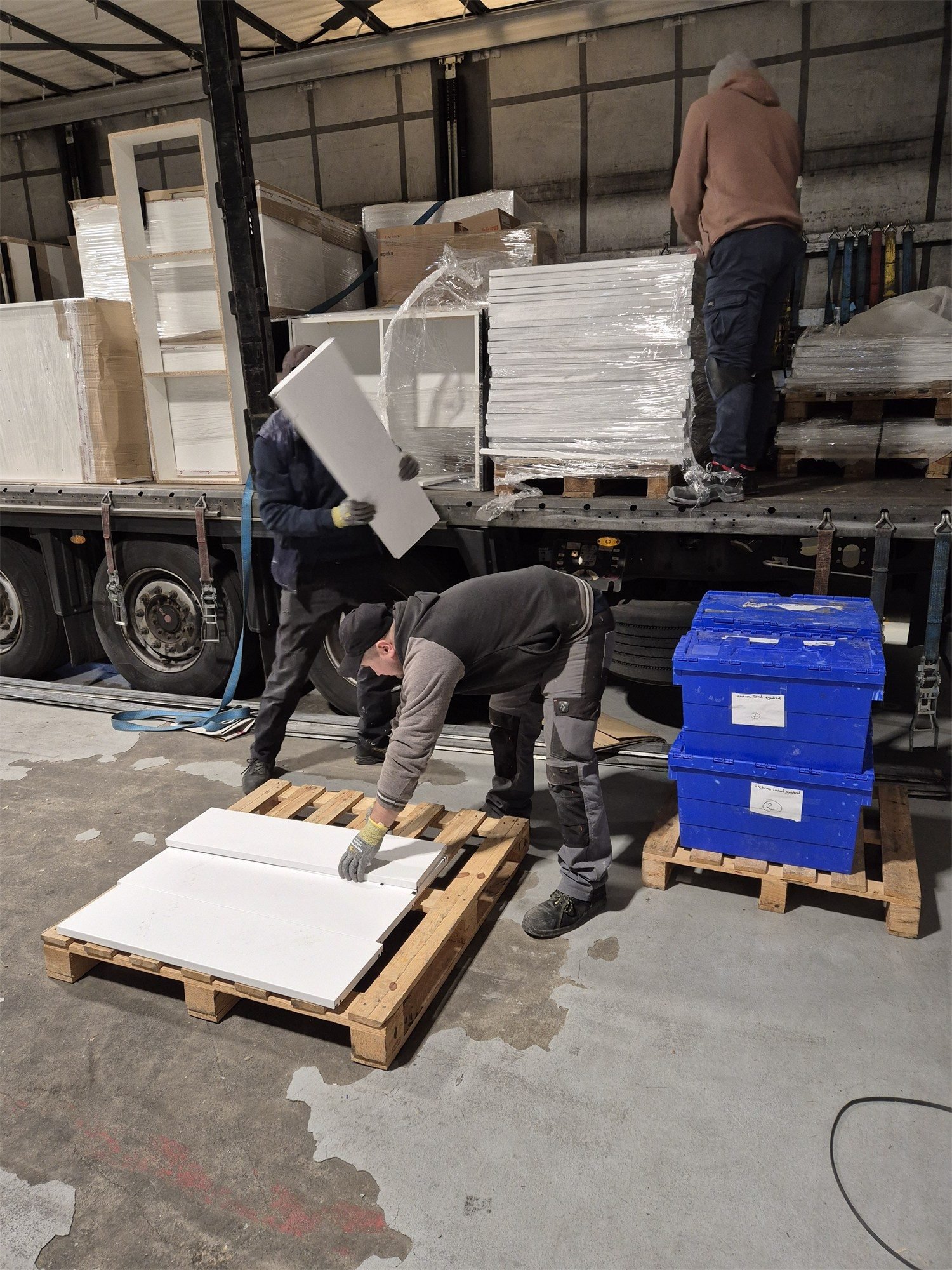
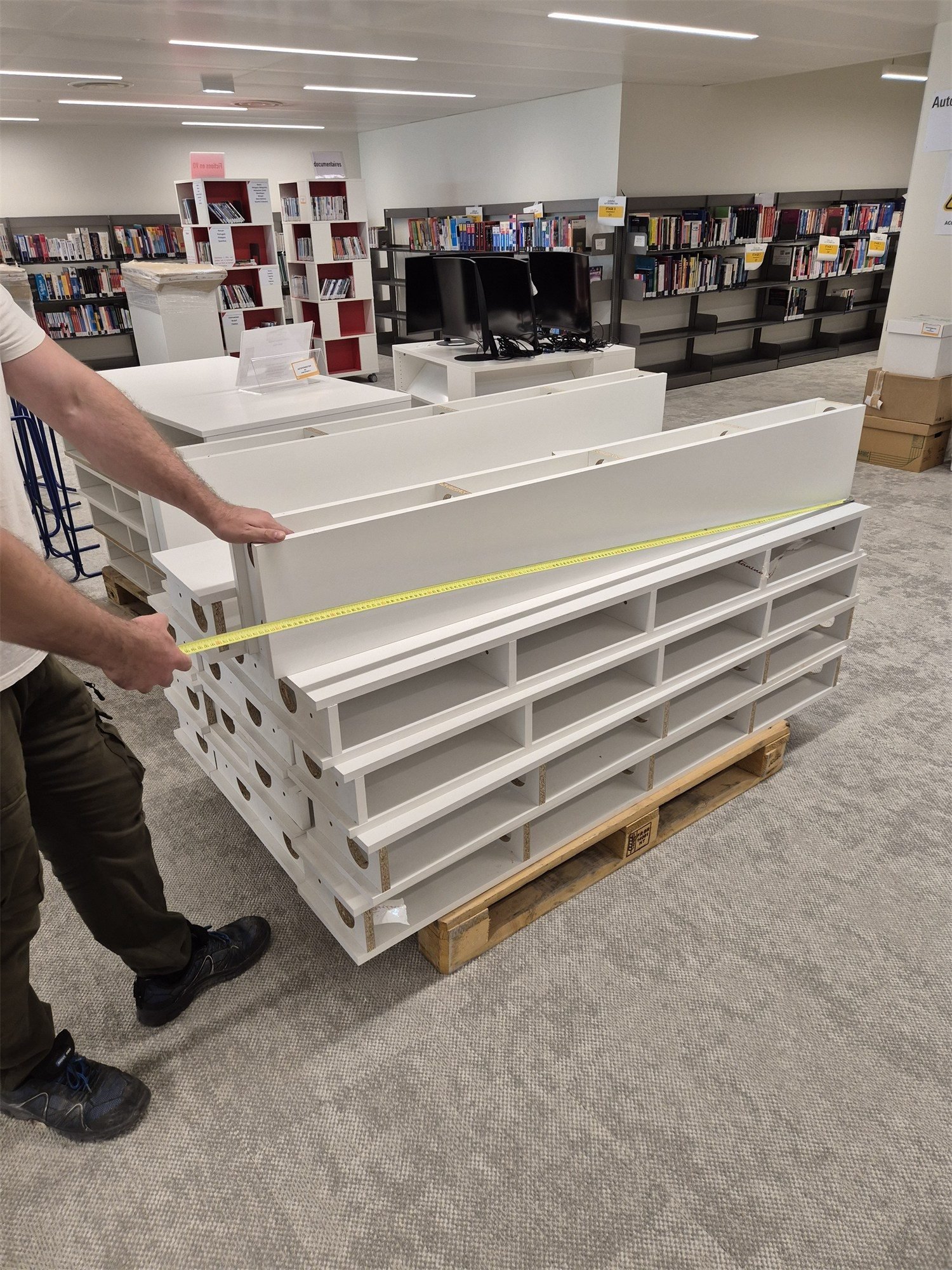
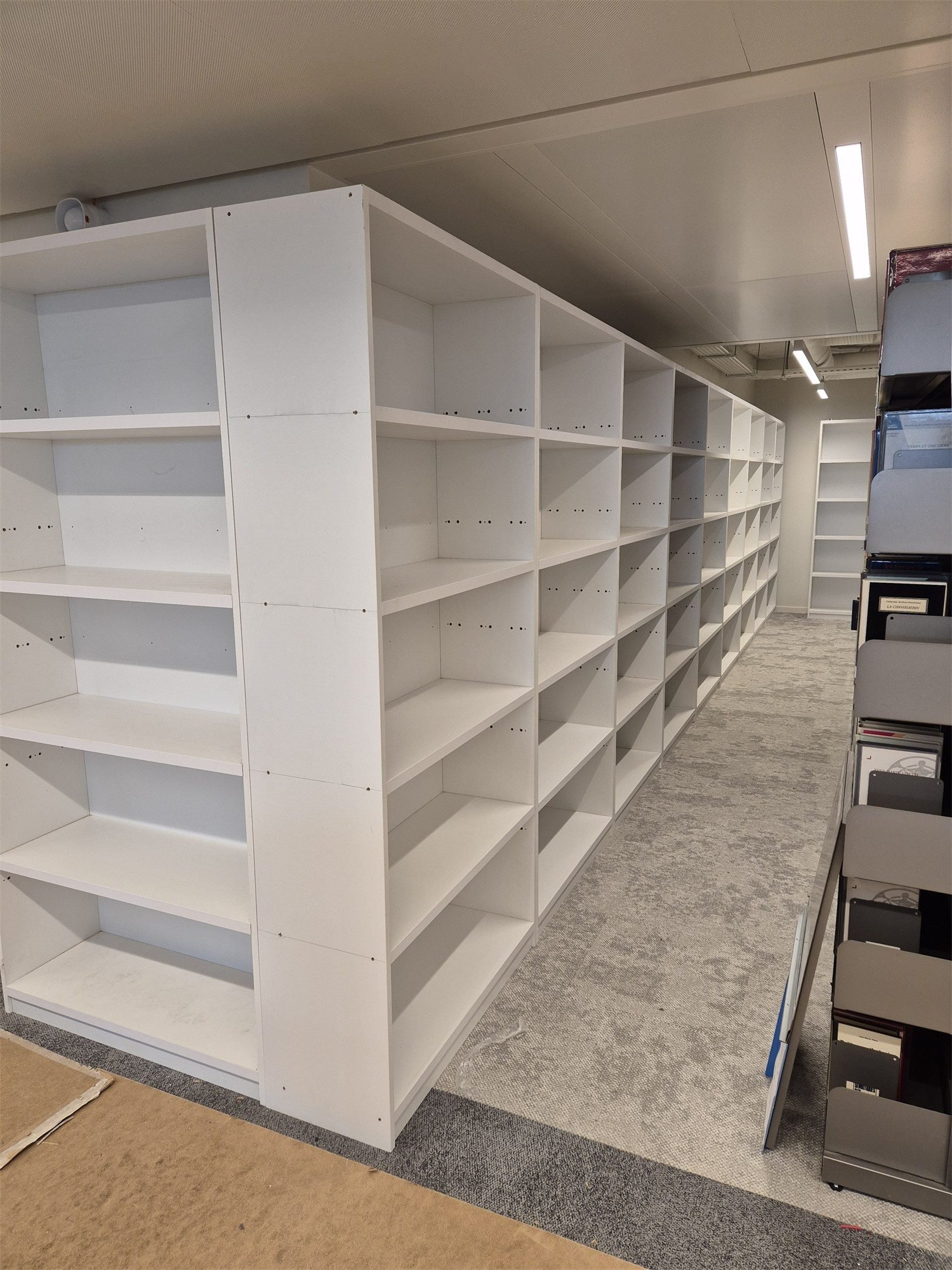
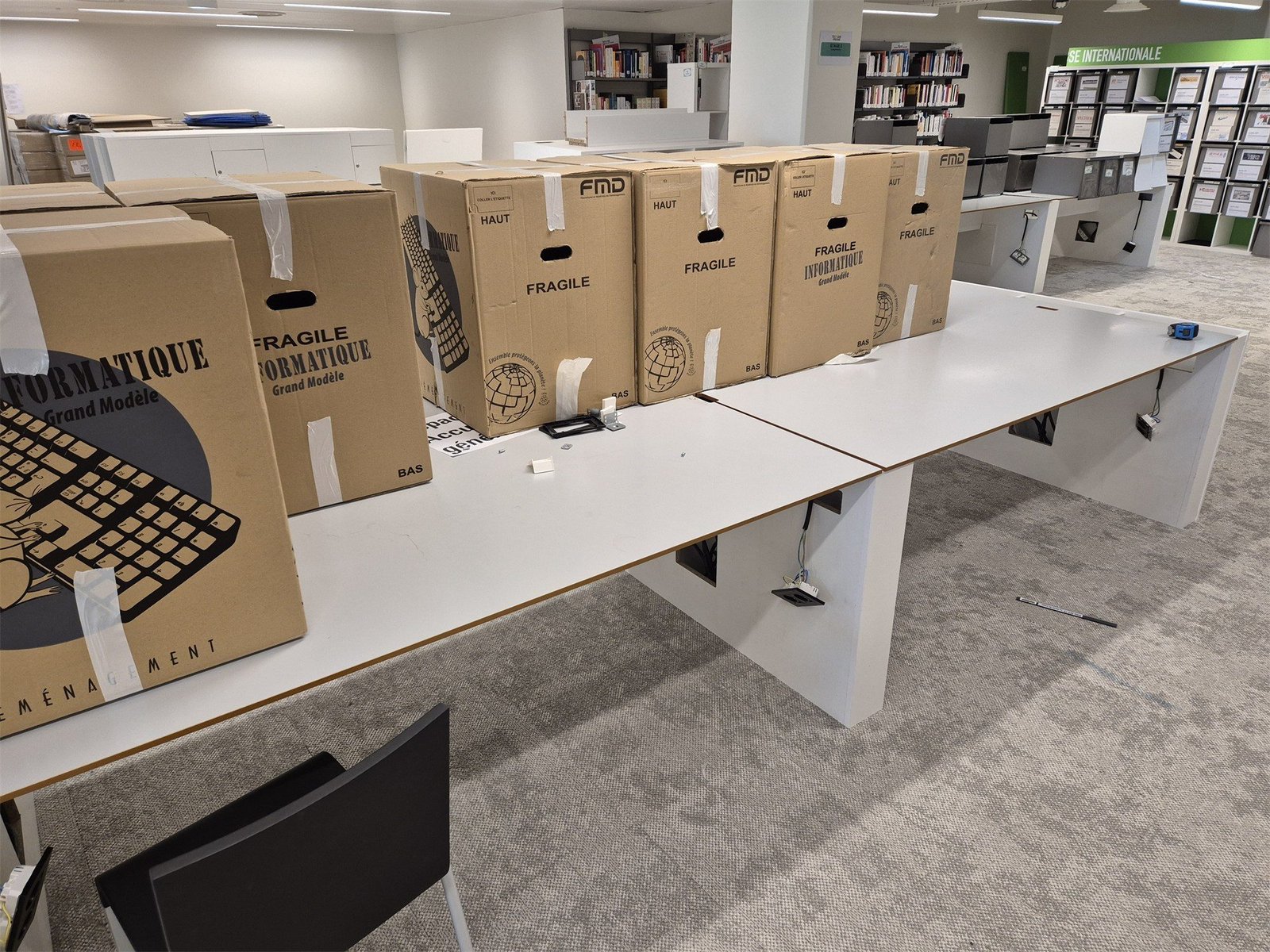
Deliveries and installation, coordinated by Andrés, took place in spring and summer 2025, ahead of the opening, starting from the empty office floors.
The library at Lumière
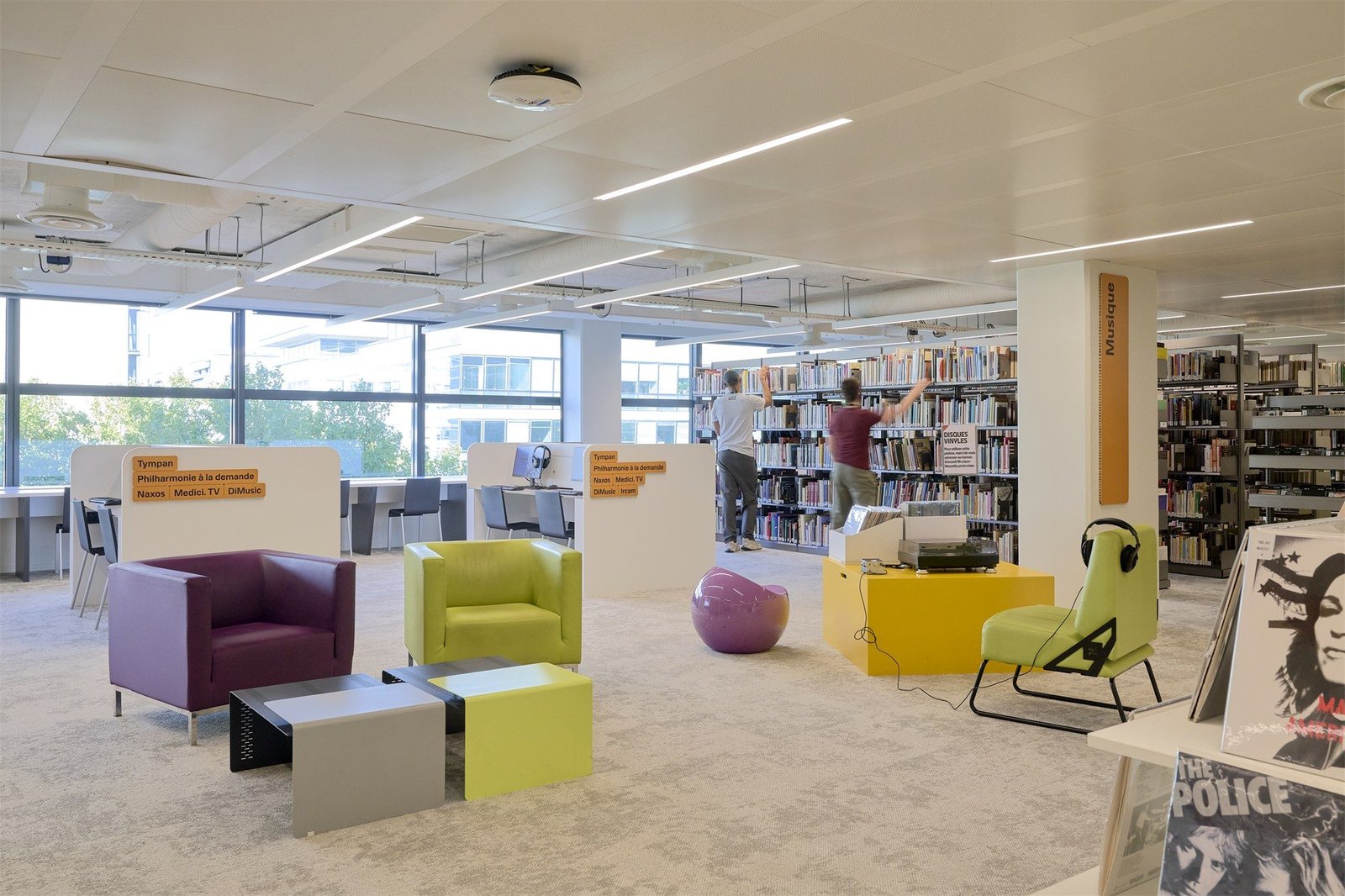
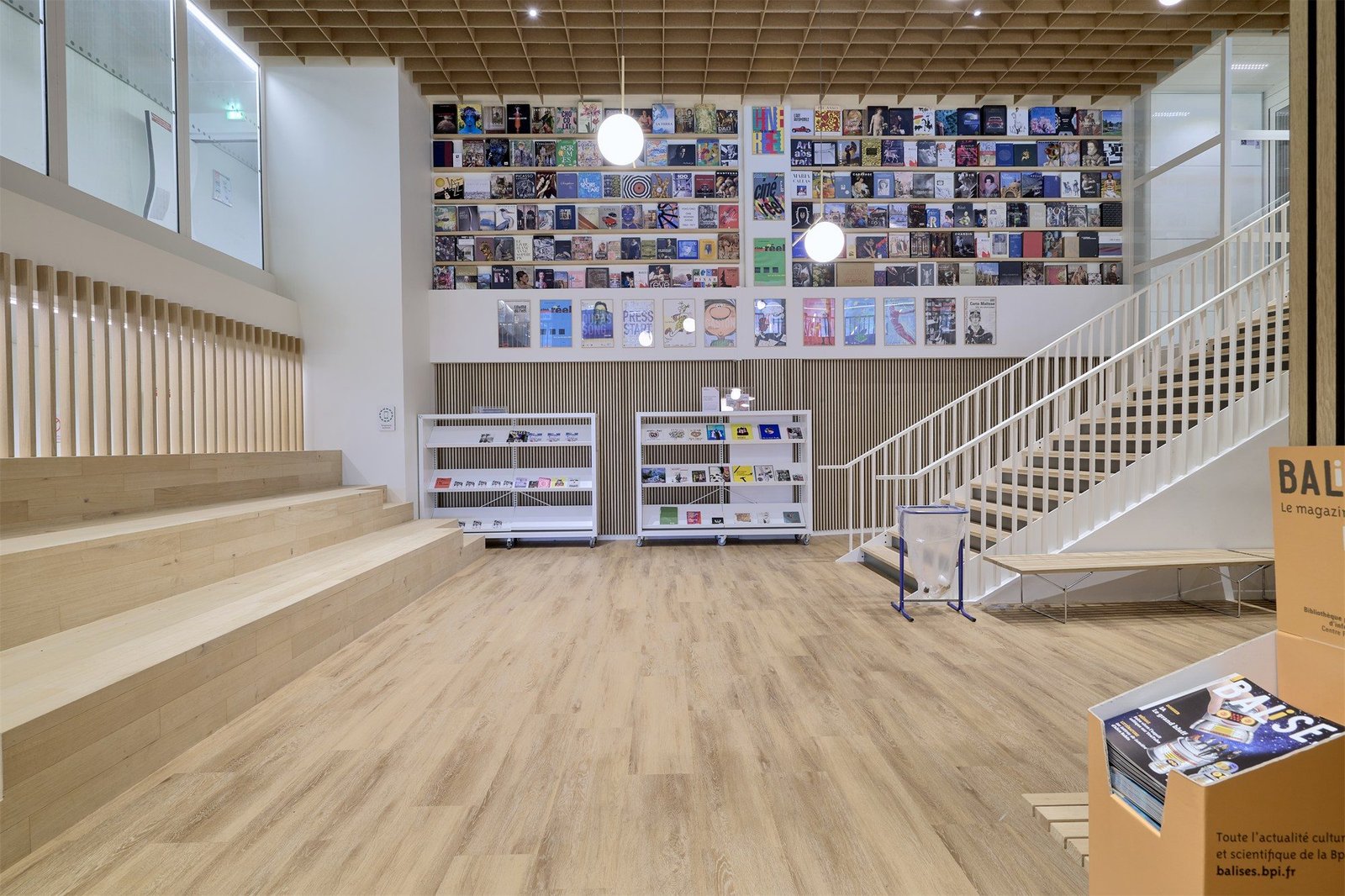
The furniture is designed to include rather than separate: tables that can be grouped or spread out, varied heights for children and people with reduced mobility, and benches that flow into shared areas. Alongside screen-ready surfaces and quiet zones, the library keeps room for the analogue: textures that invite you to disconnect and spaces where ideas can still meet by chance.
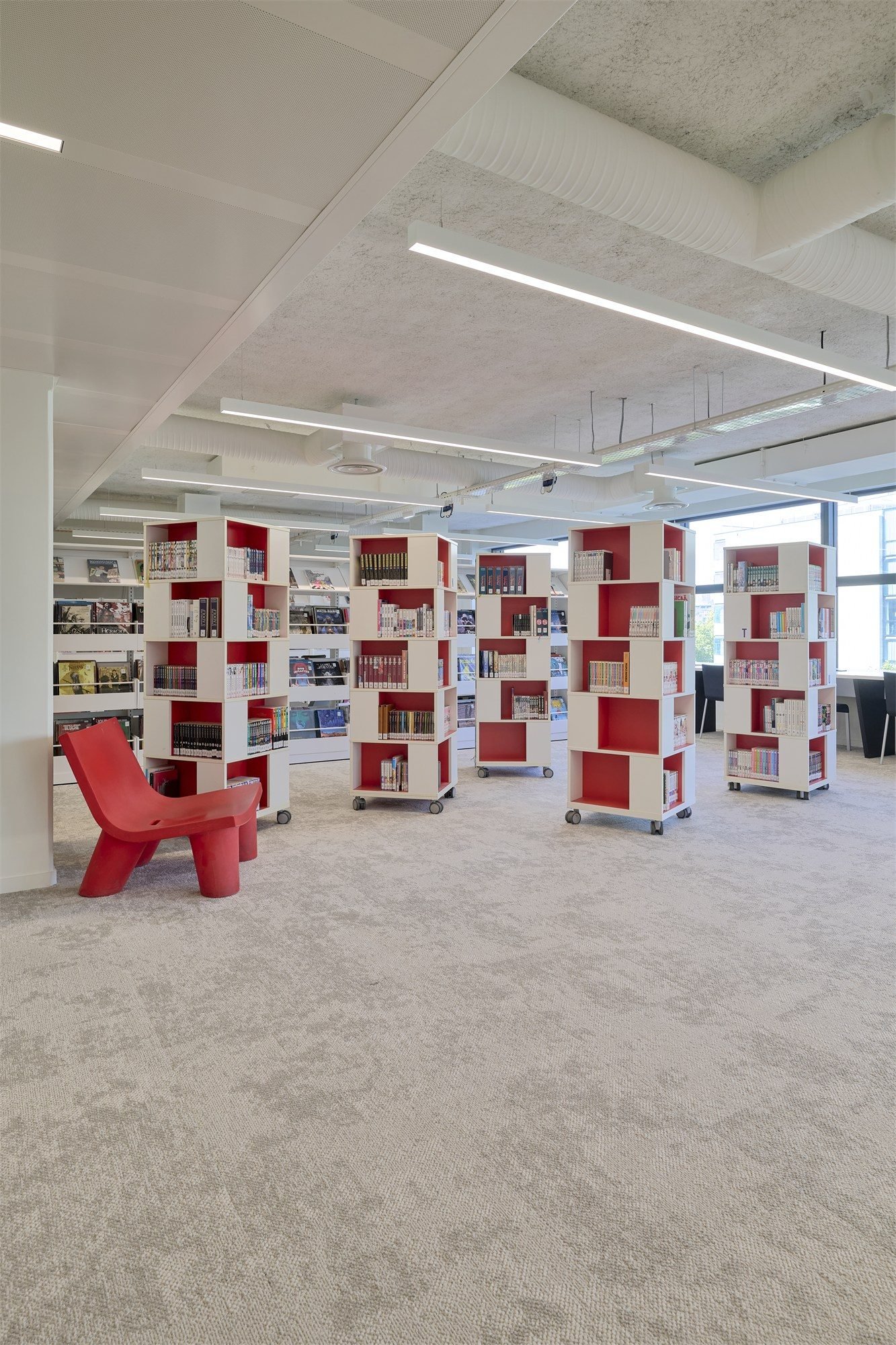
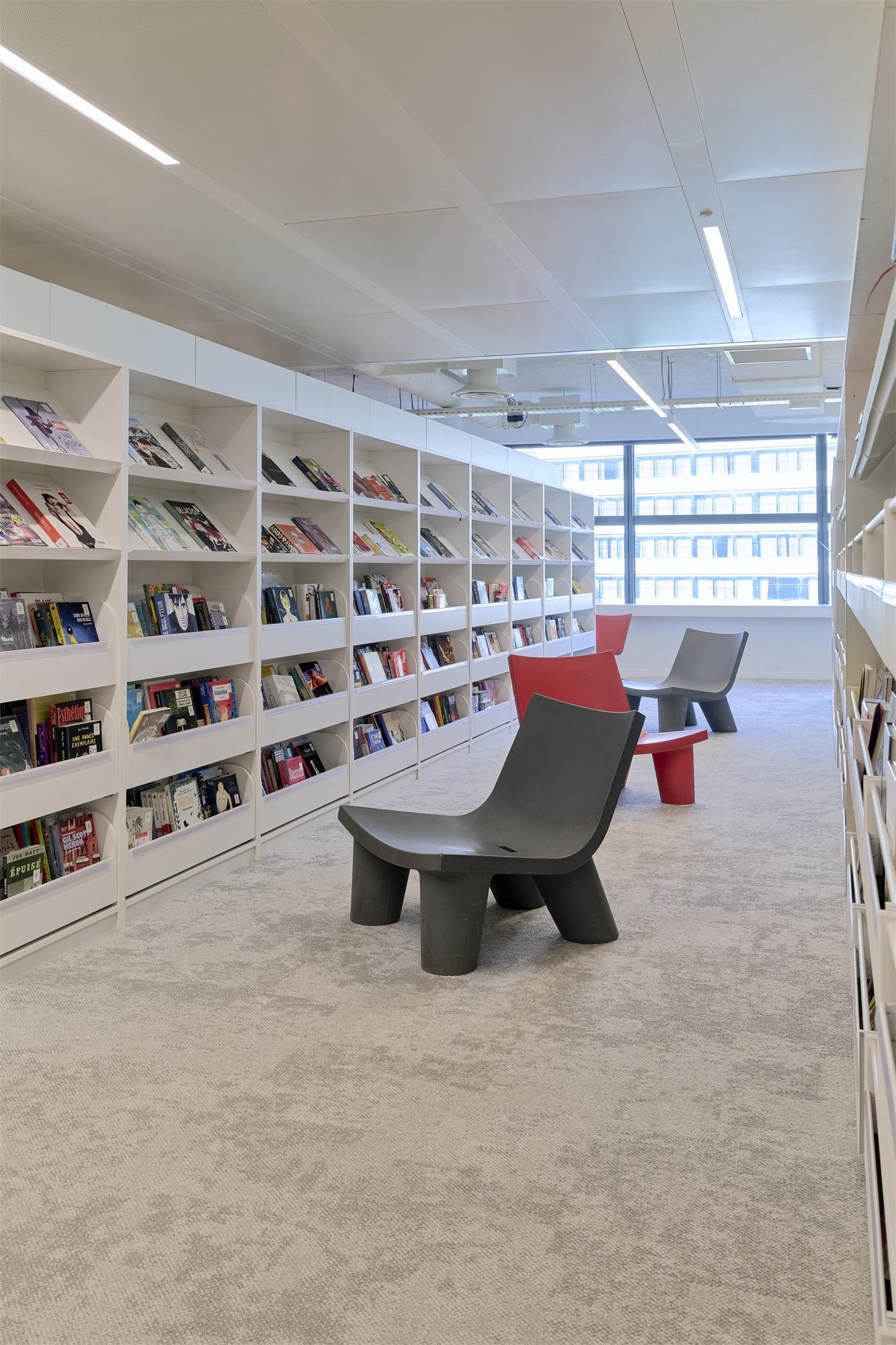
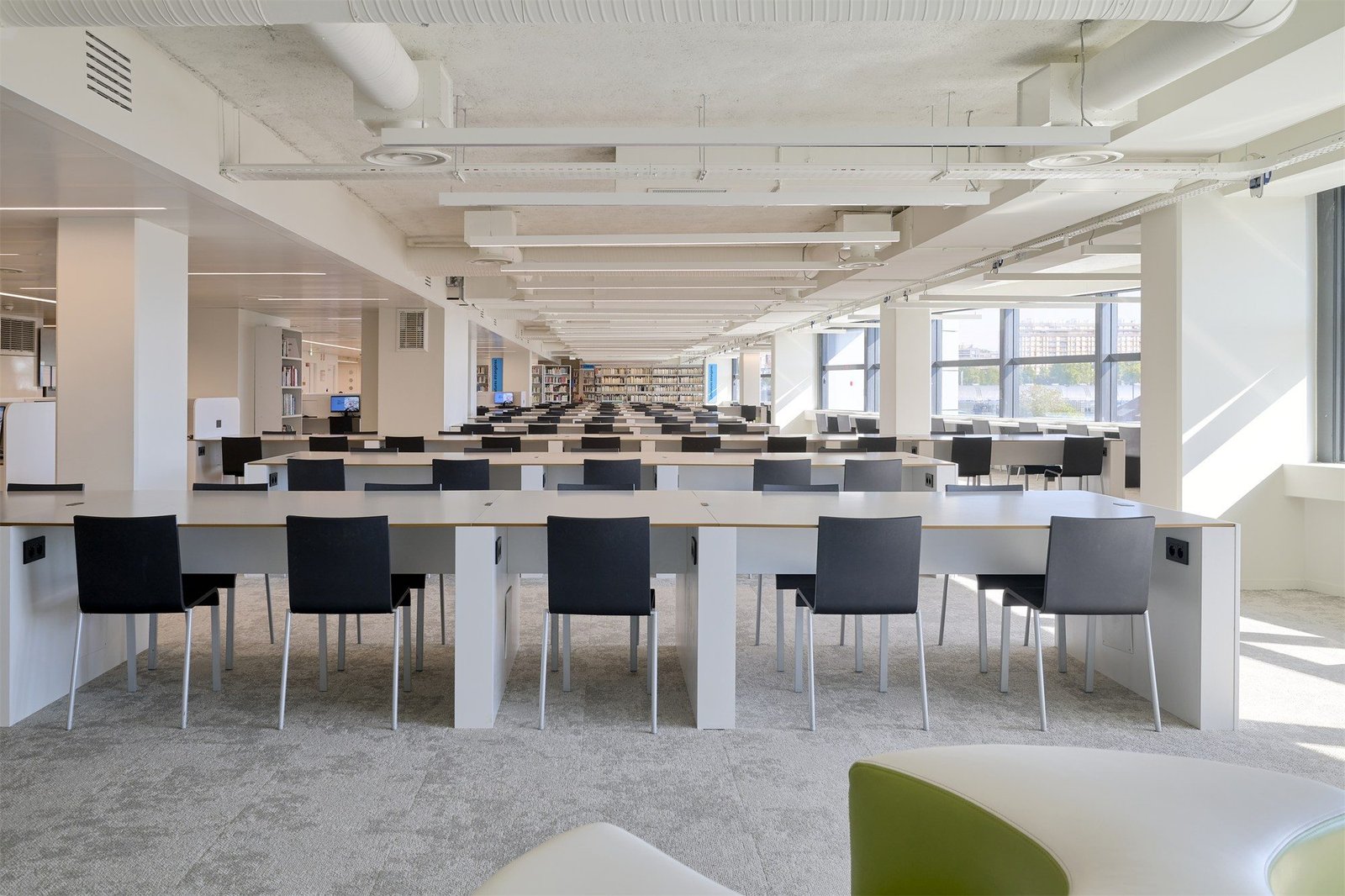
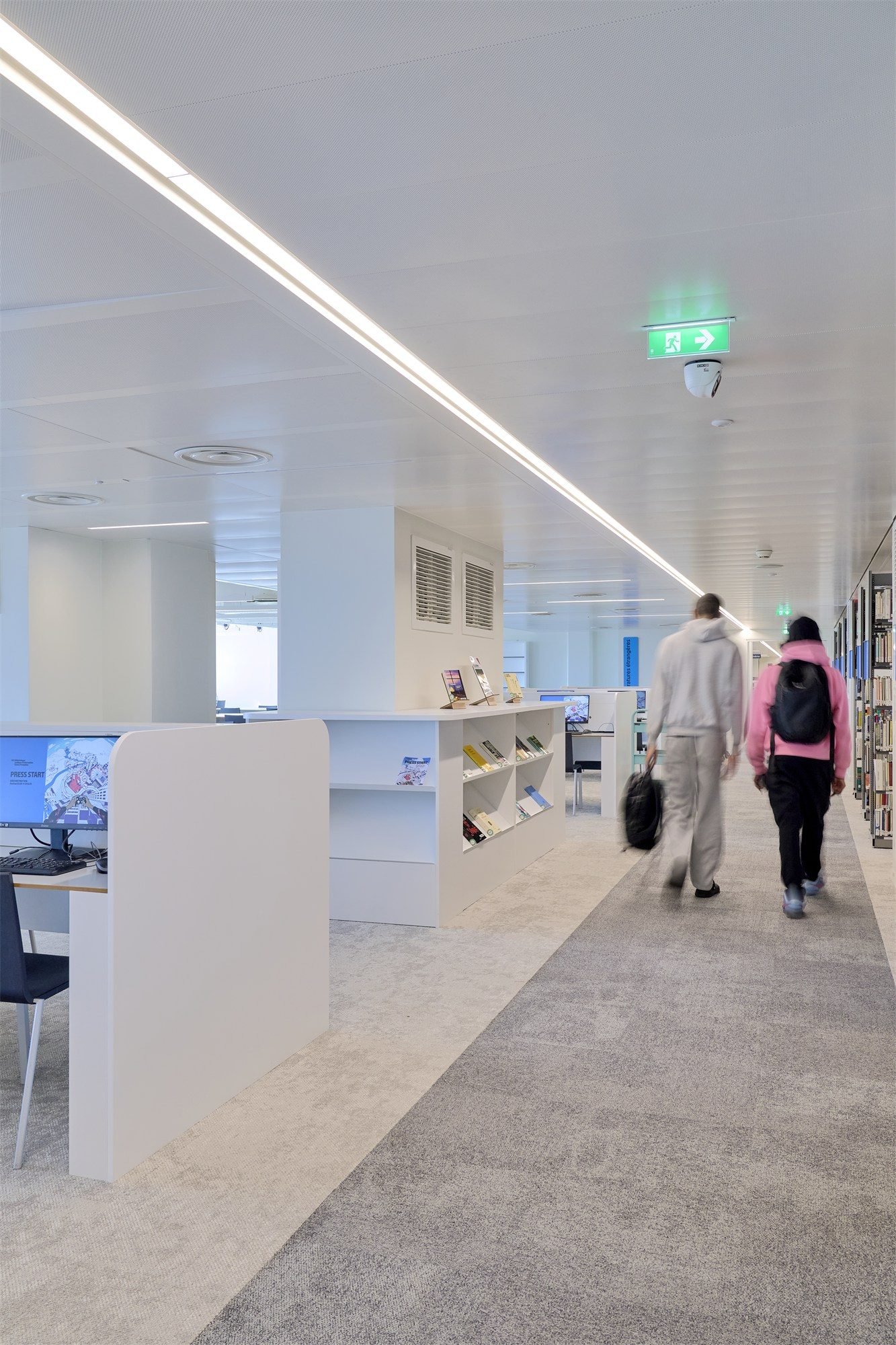
“Libraries are not what they were 50 years ago, but they are still essential.”
Andrés Mariño Maza, in Arquitectura y Diseño (translated from Spanish)
Before Lumière, Andrés led a smaller intervention of about 50 pieces at the BPI’s original home in the Centre Pompidou. See the Beaubourg project.
Reuse and 3D-printed parts
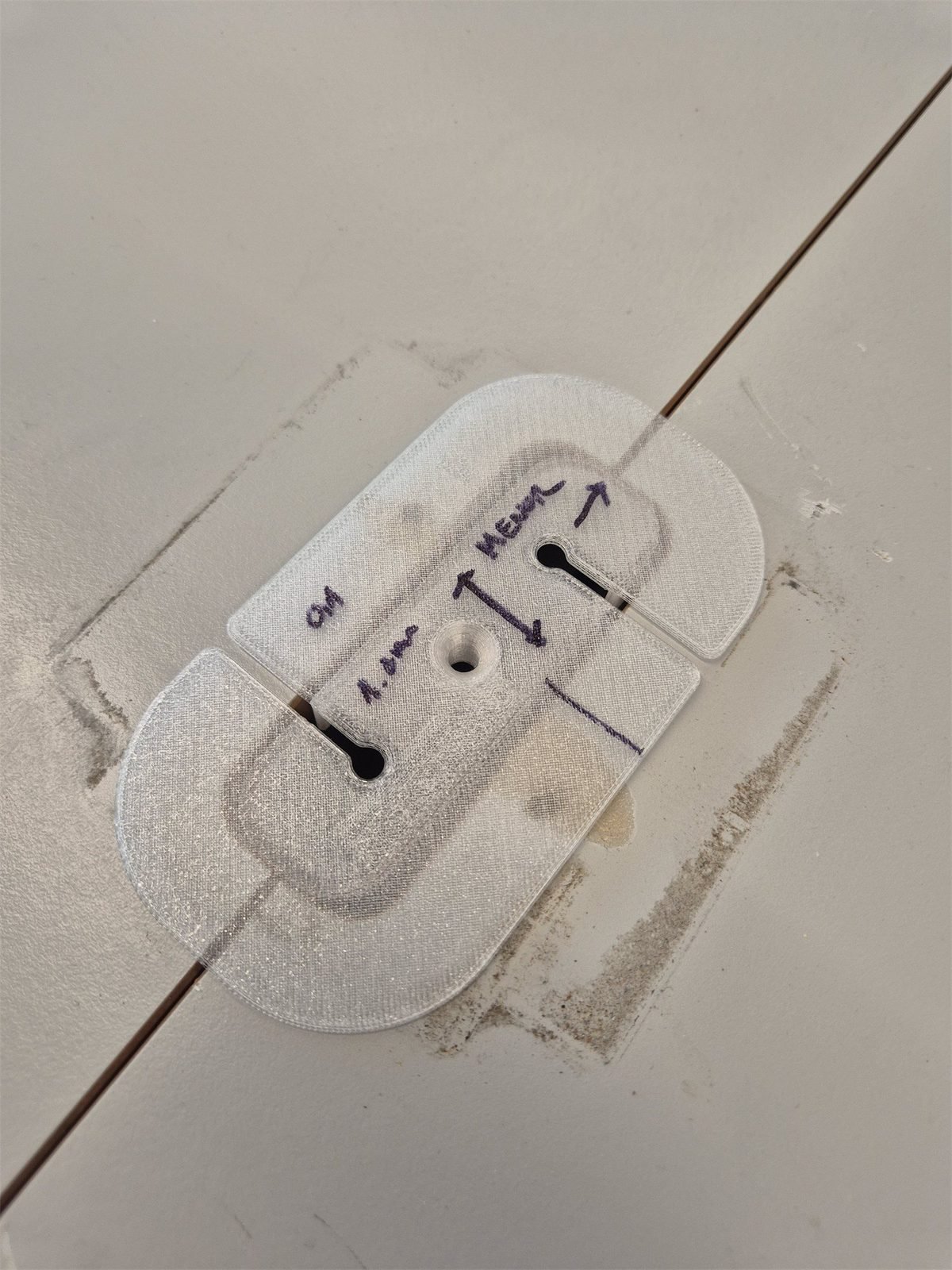
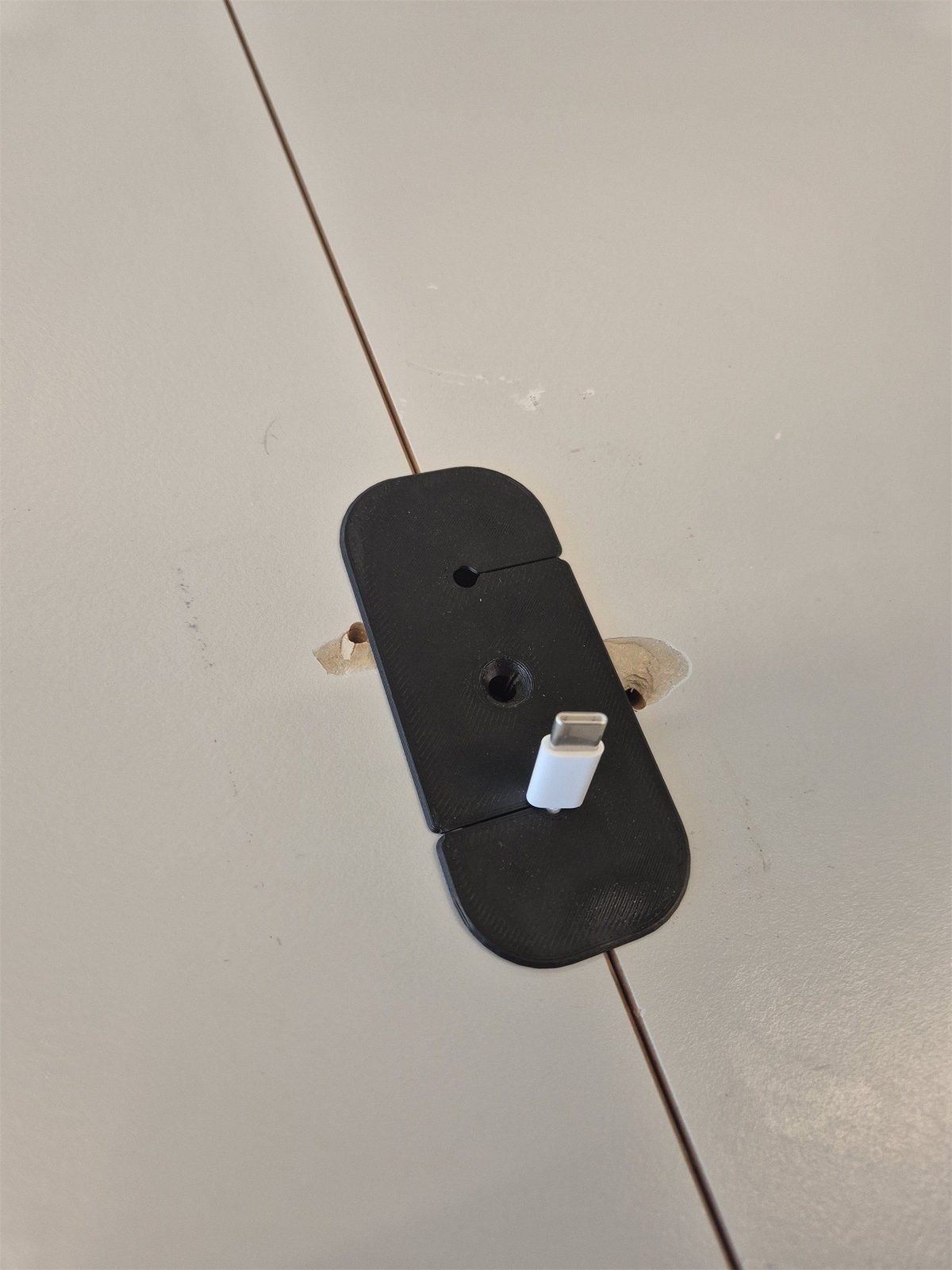
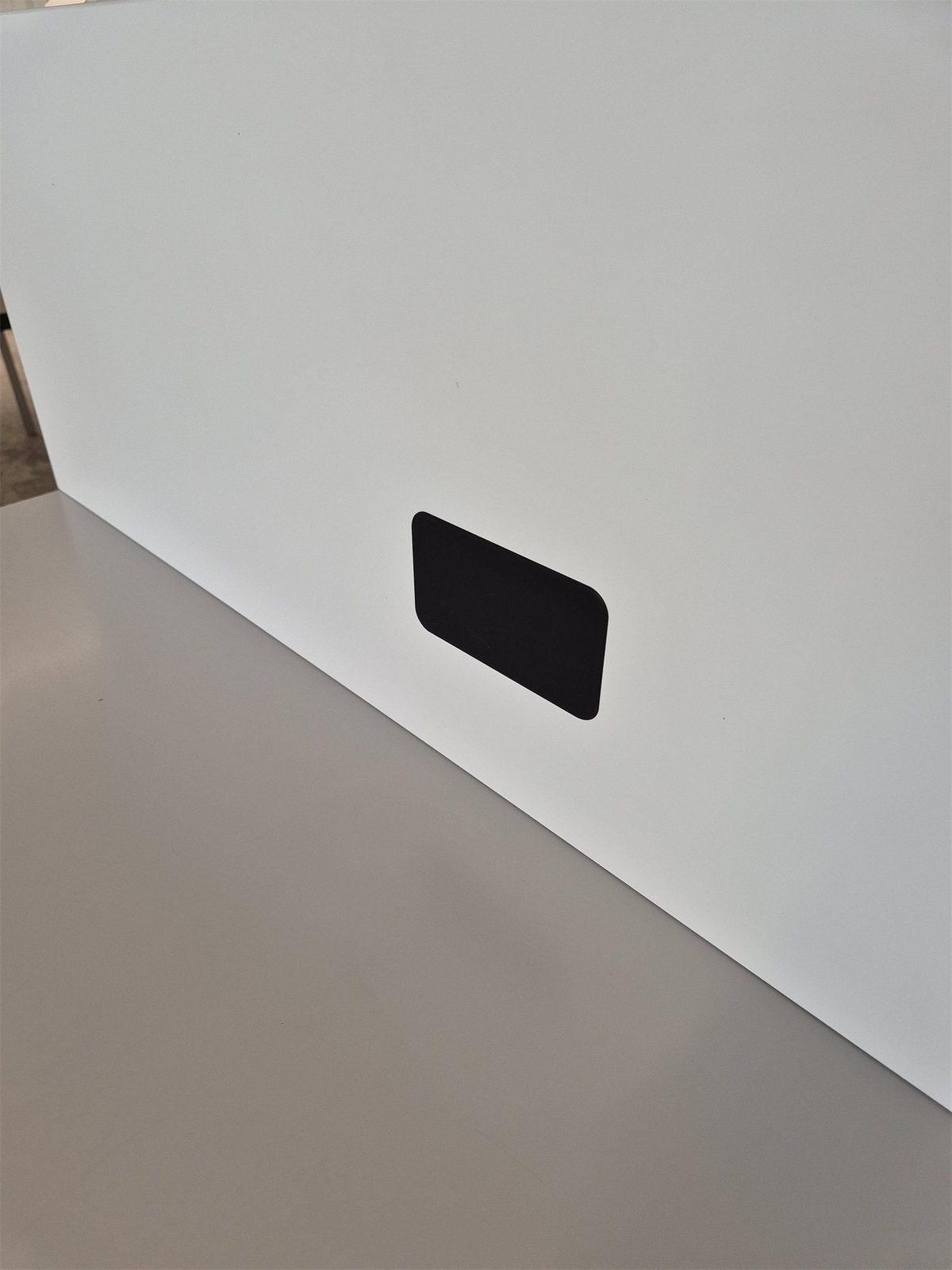
Andrés worked with Jose Real of The Real Studio to design and 3D print a range of custom parts. These pieces allowed furniture and materials from the former library to be adapted and reused in the new one. Jose’s work can also be followed on Instagram.
Drawings
Working drawings from the design and production stages: plans, sections, axonometrics and details of the main pieces.
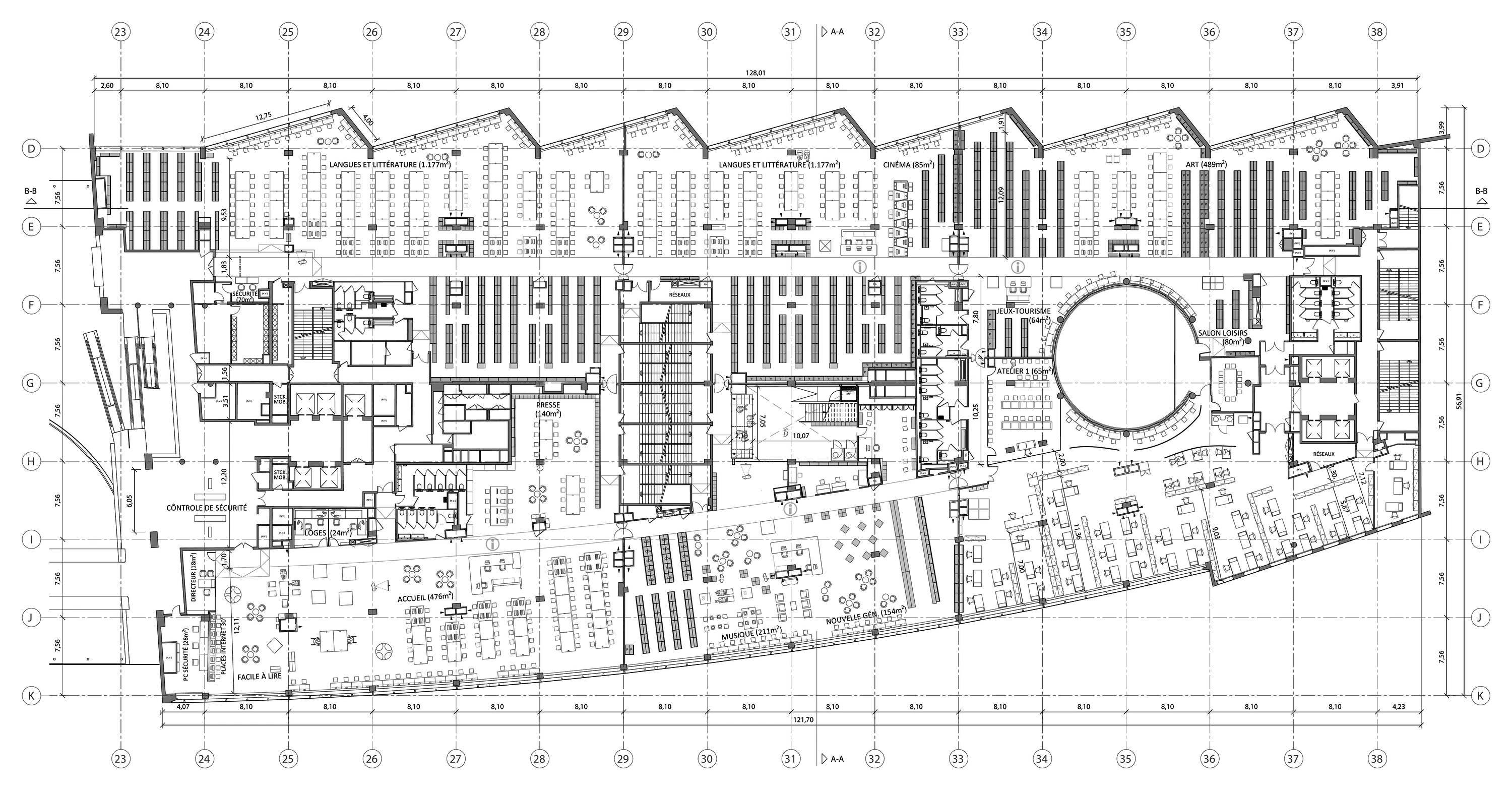 Level 2 floor plan with furniture layout.
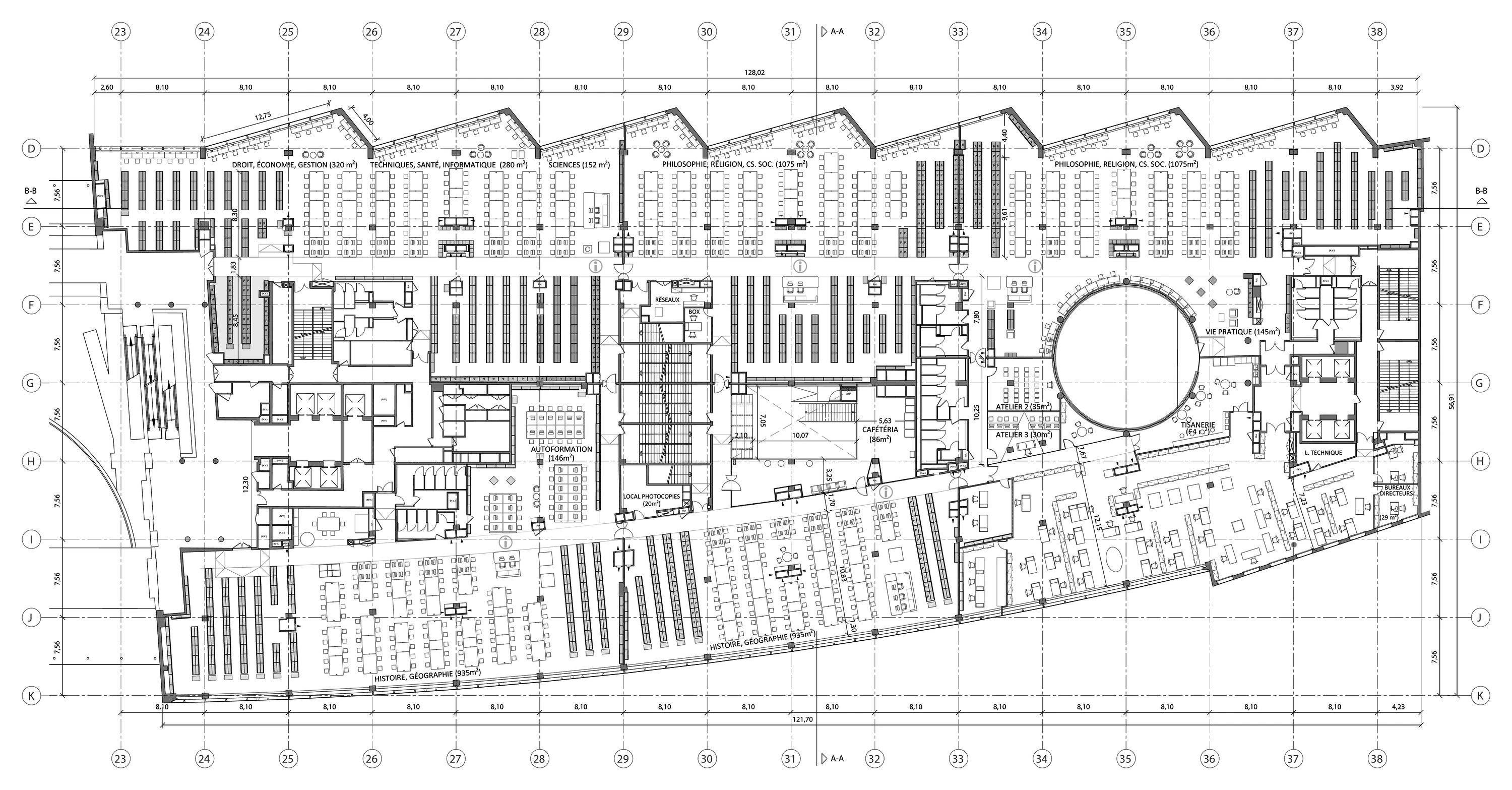 Level 3 floor plan with furniture layout.
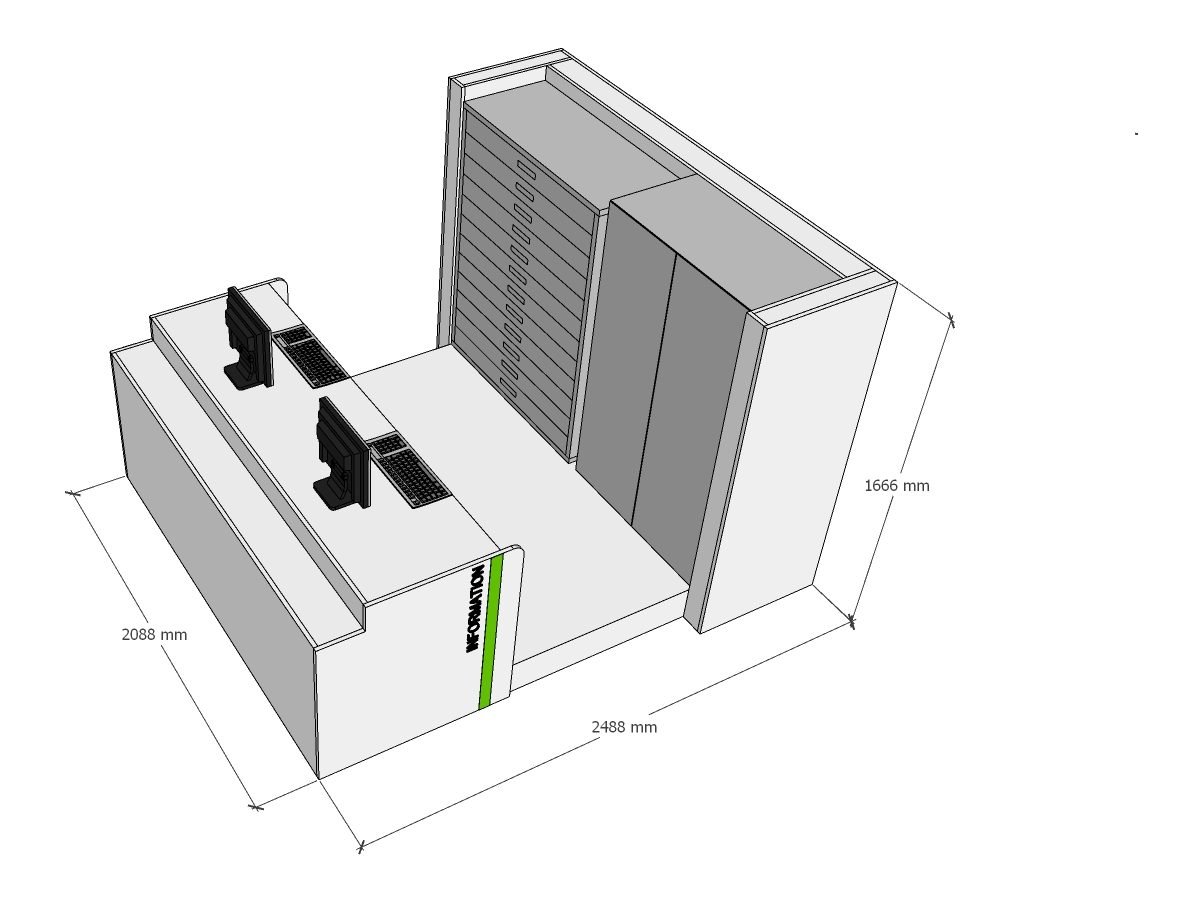
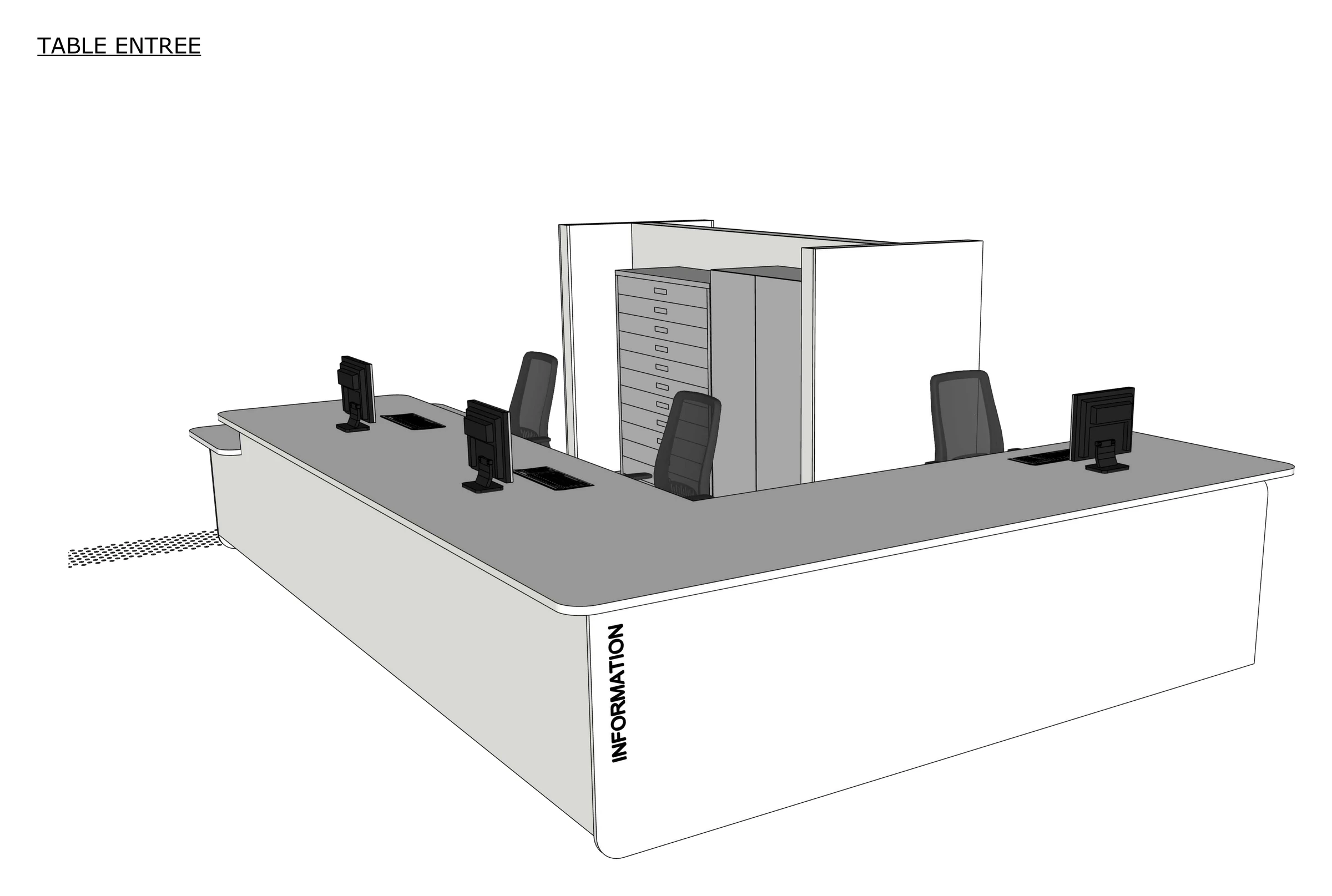 Entrance information desk. Axonometric.
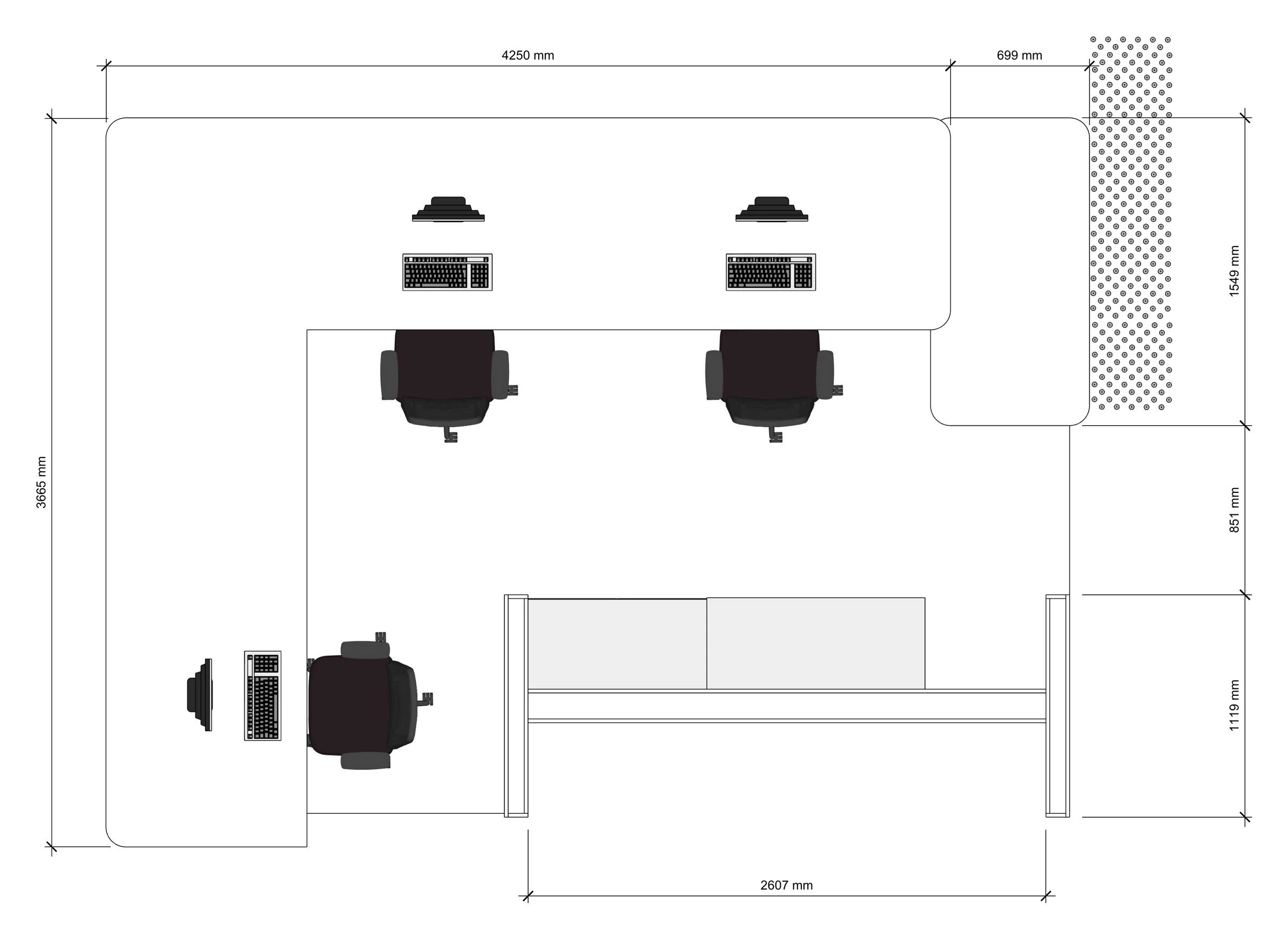 Entrance information desk. Dimensioned plan.
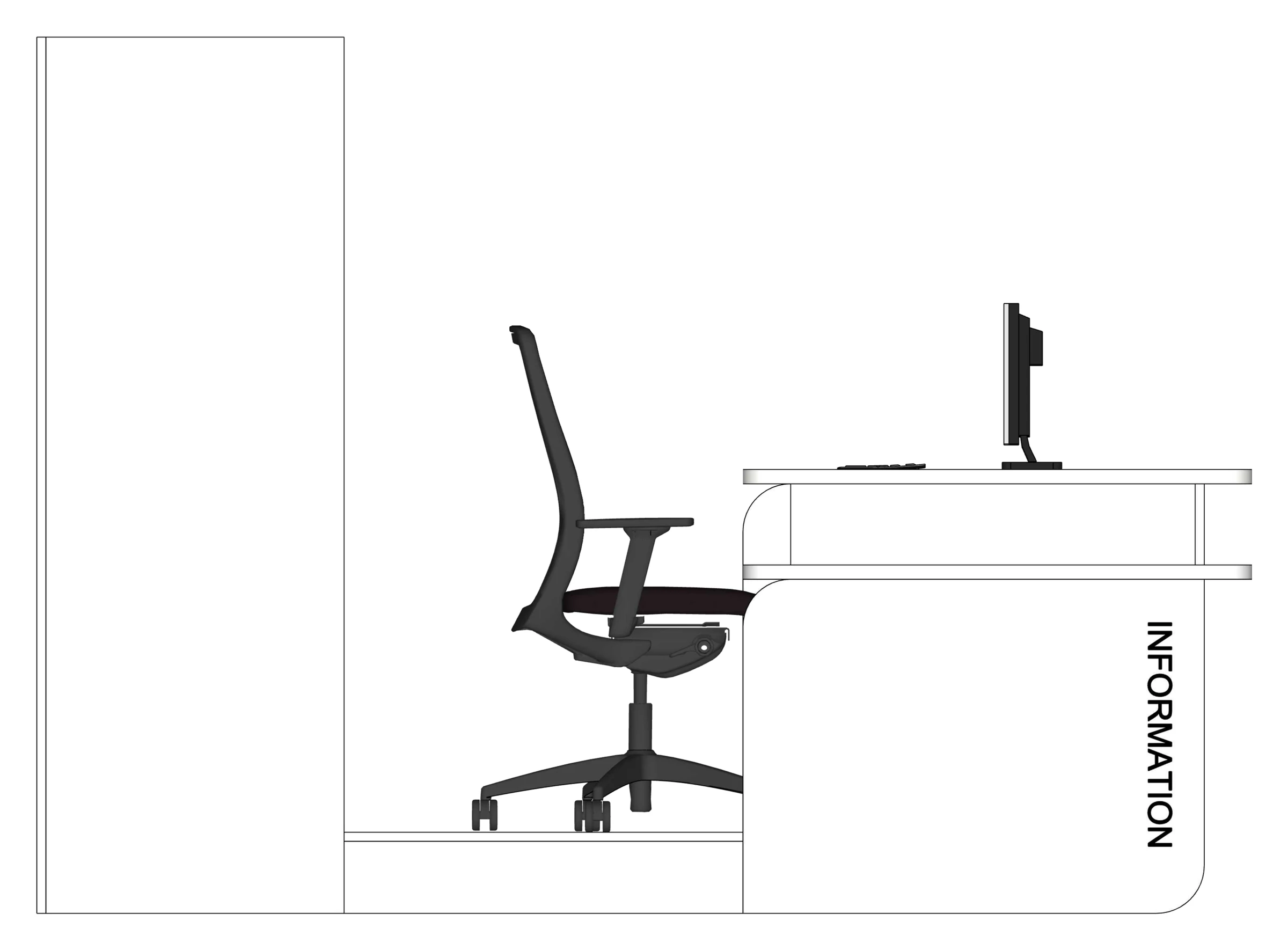 Three-person information desk with accessible counter. Section.
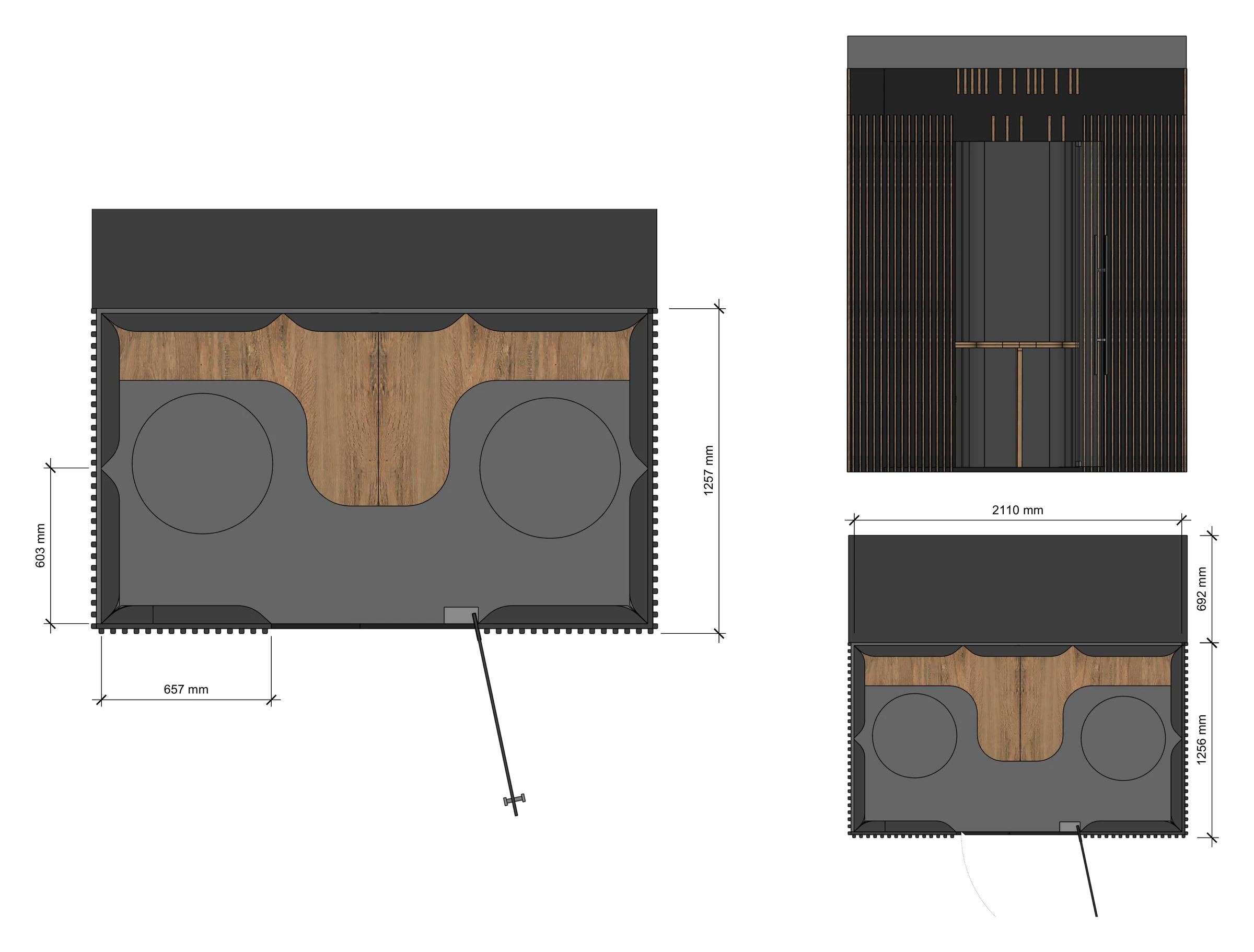 Two-person acoustic booth. Plans and elevation.
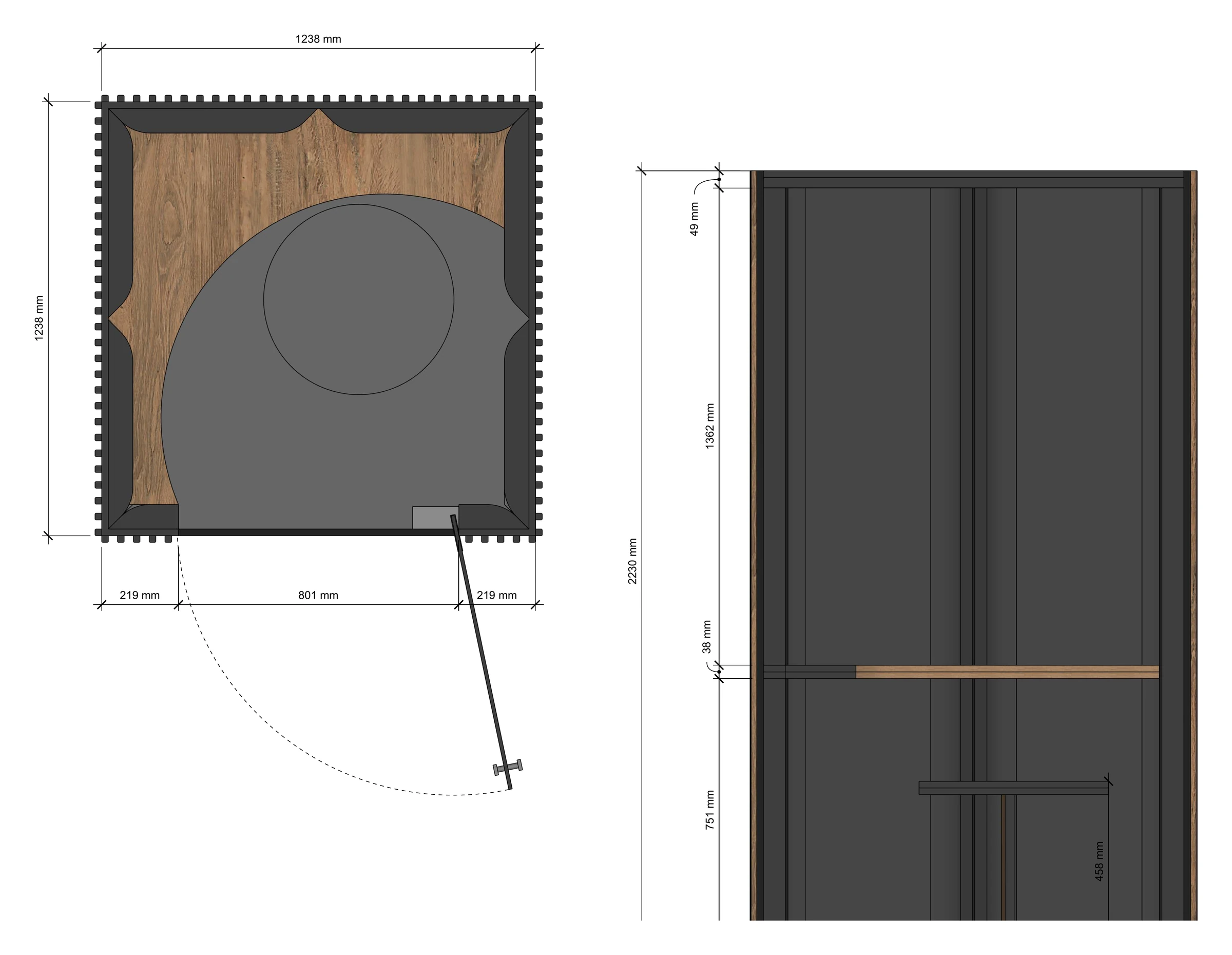 Single acoustic booth. Plan and elevation.
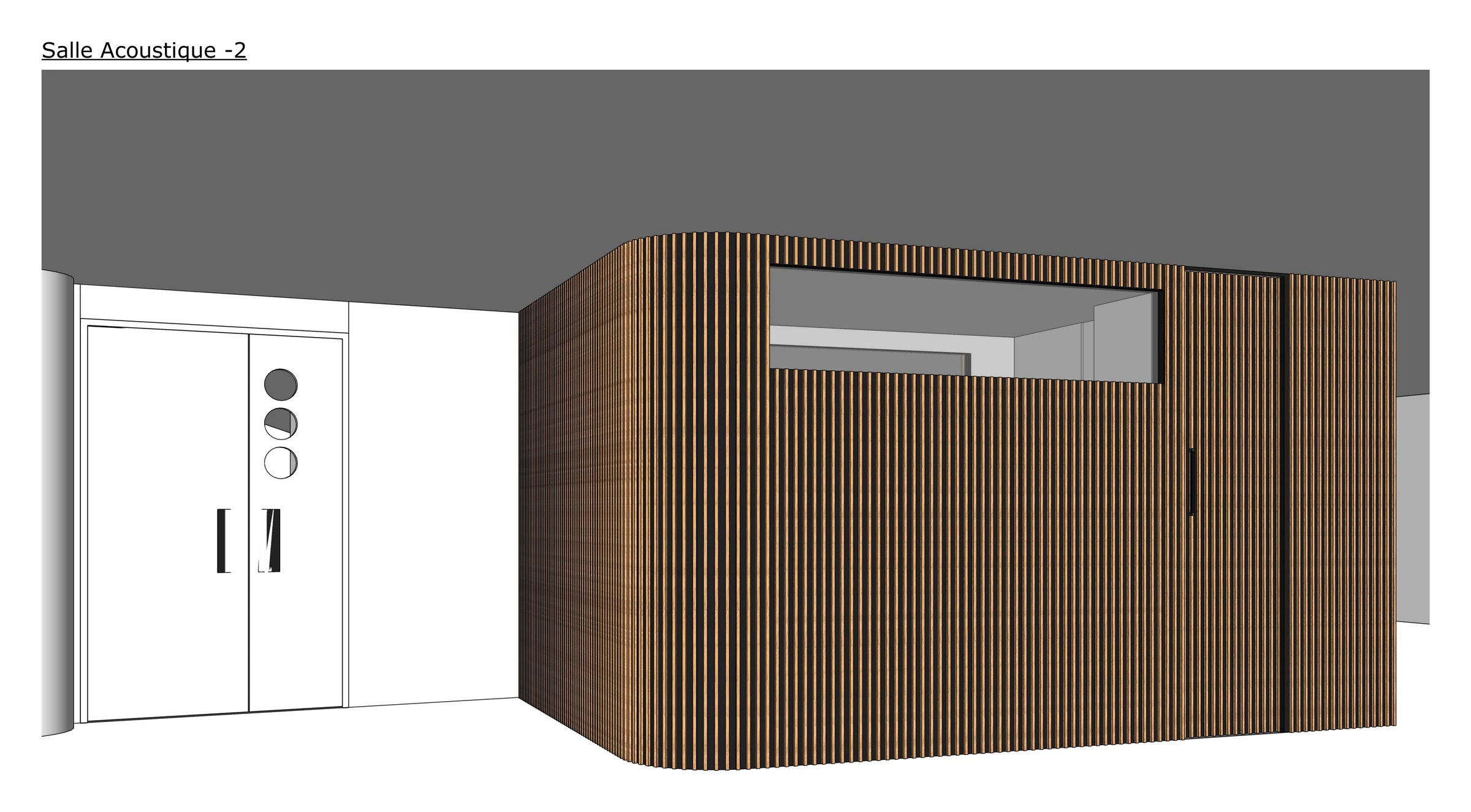 Acoustic room with a curved slatted enclosure. View.
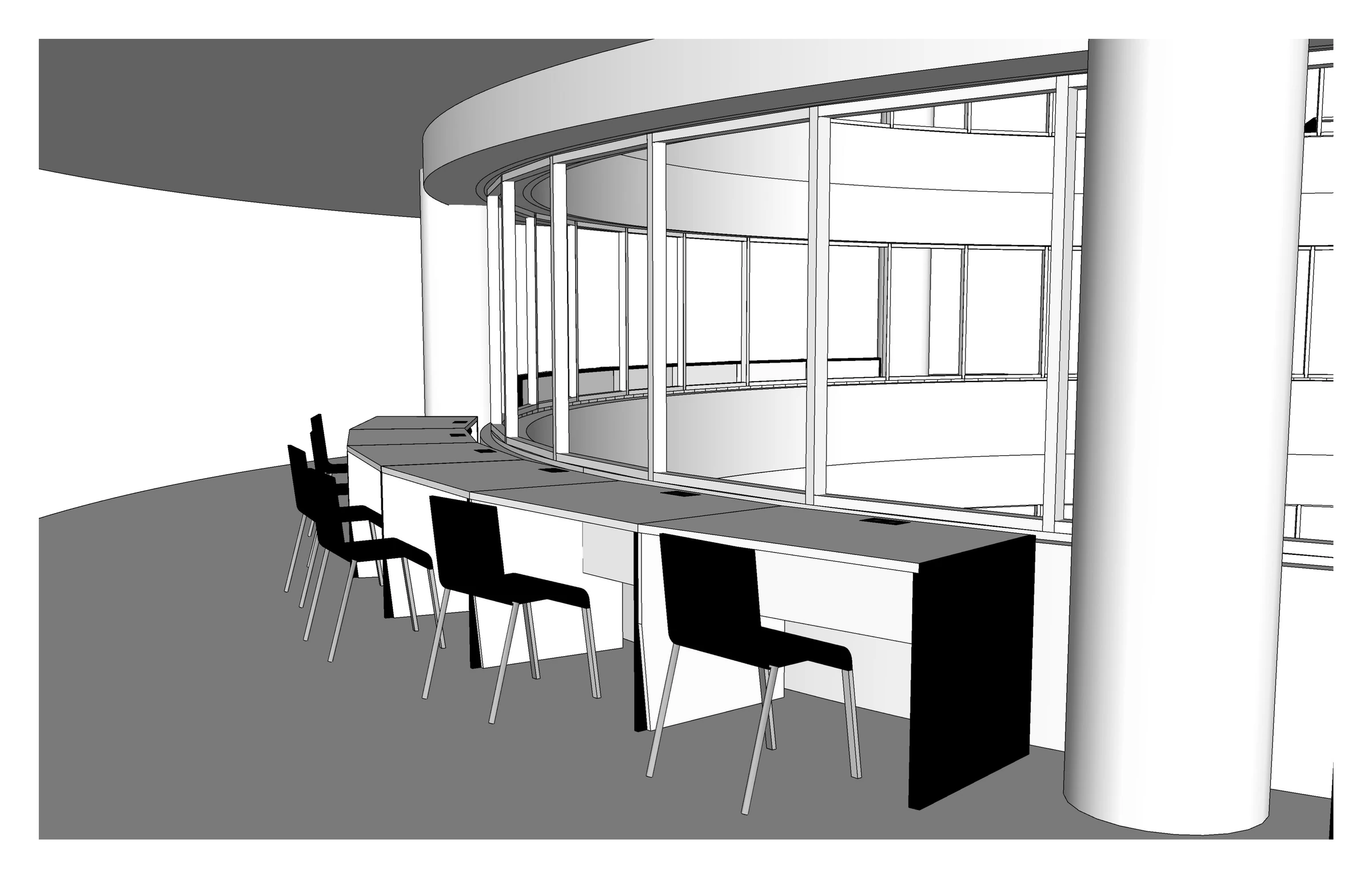 Reading tables around the circular courtyard. Perspective.
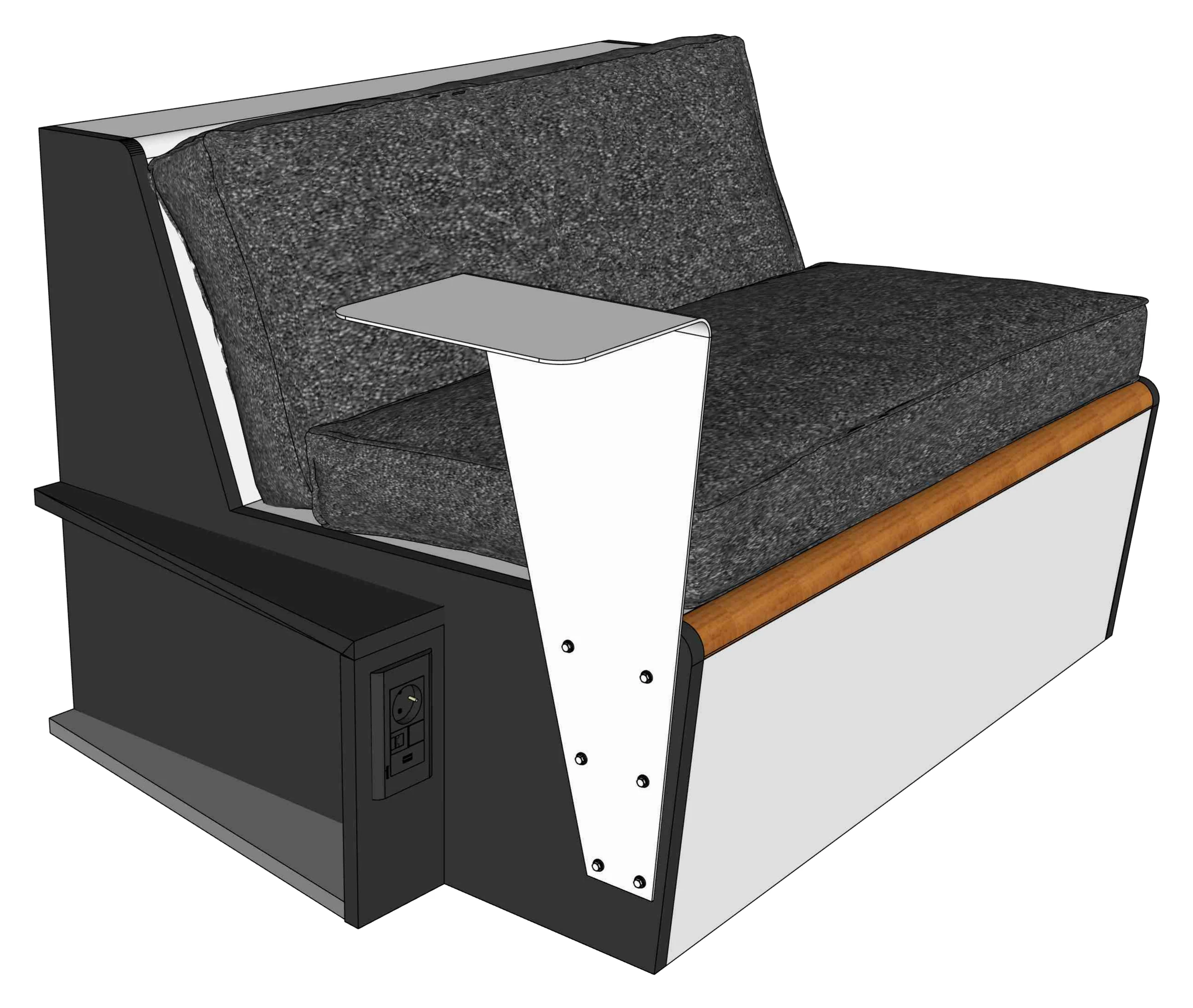 Lounge bench with side table. Axonometric.
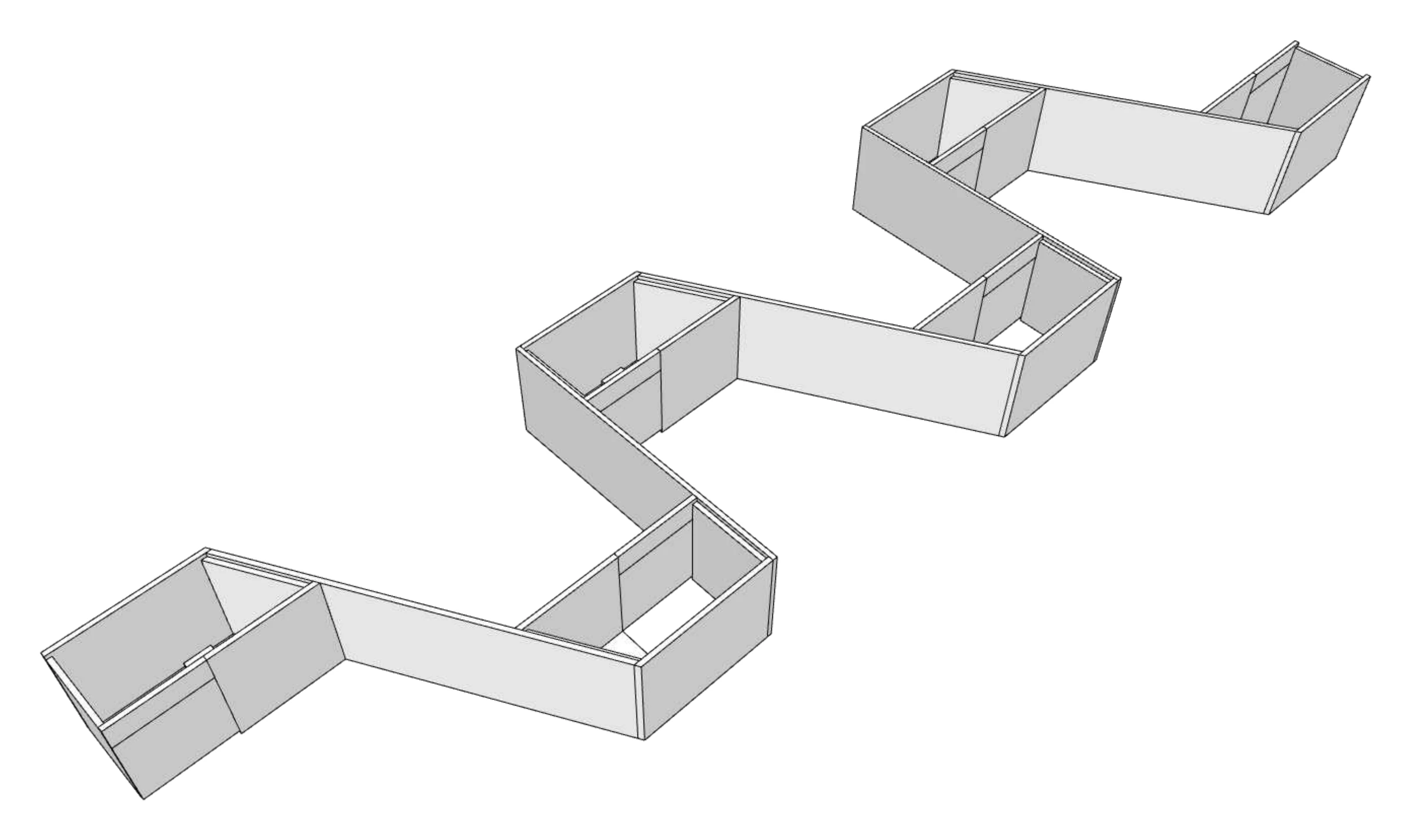 Zigzag table for the cinema area. Axonometric.
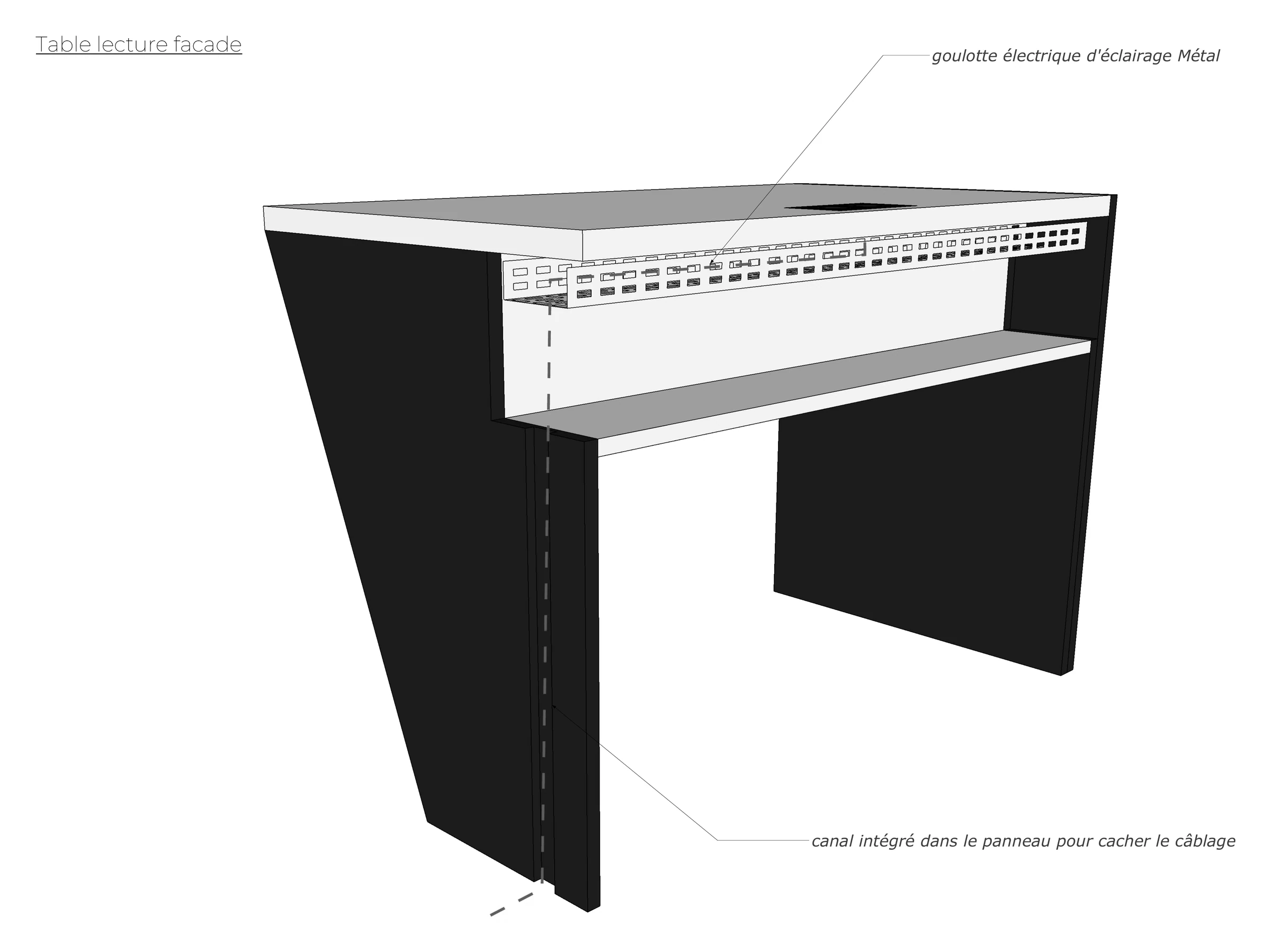 Façade reading table. Cable management detail.
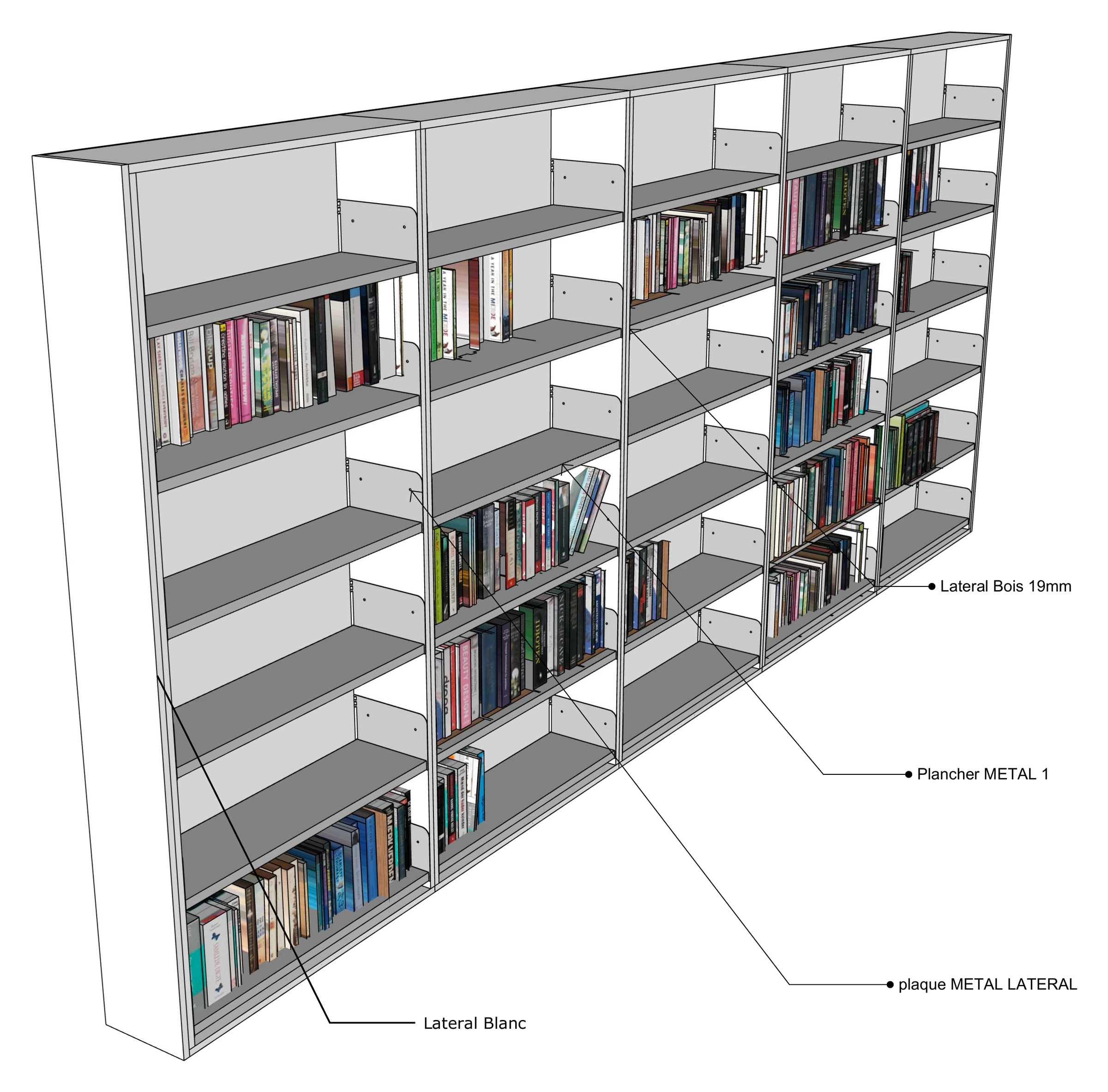 Shelving module. Axonometric.
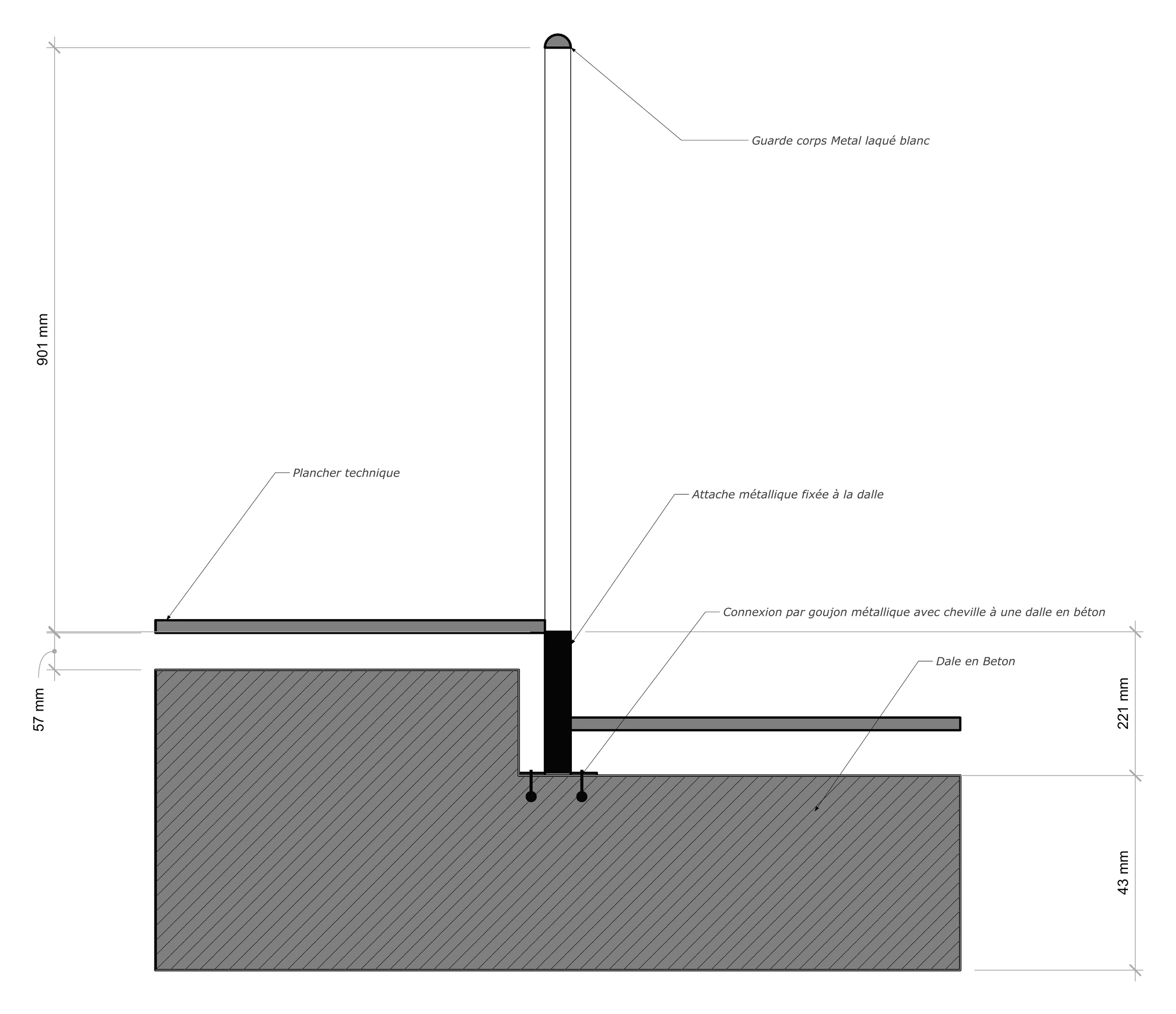 Guardrail. Section.
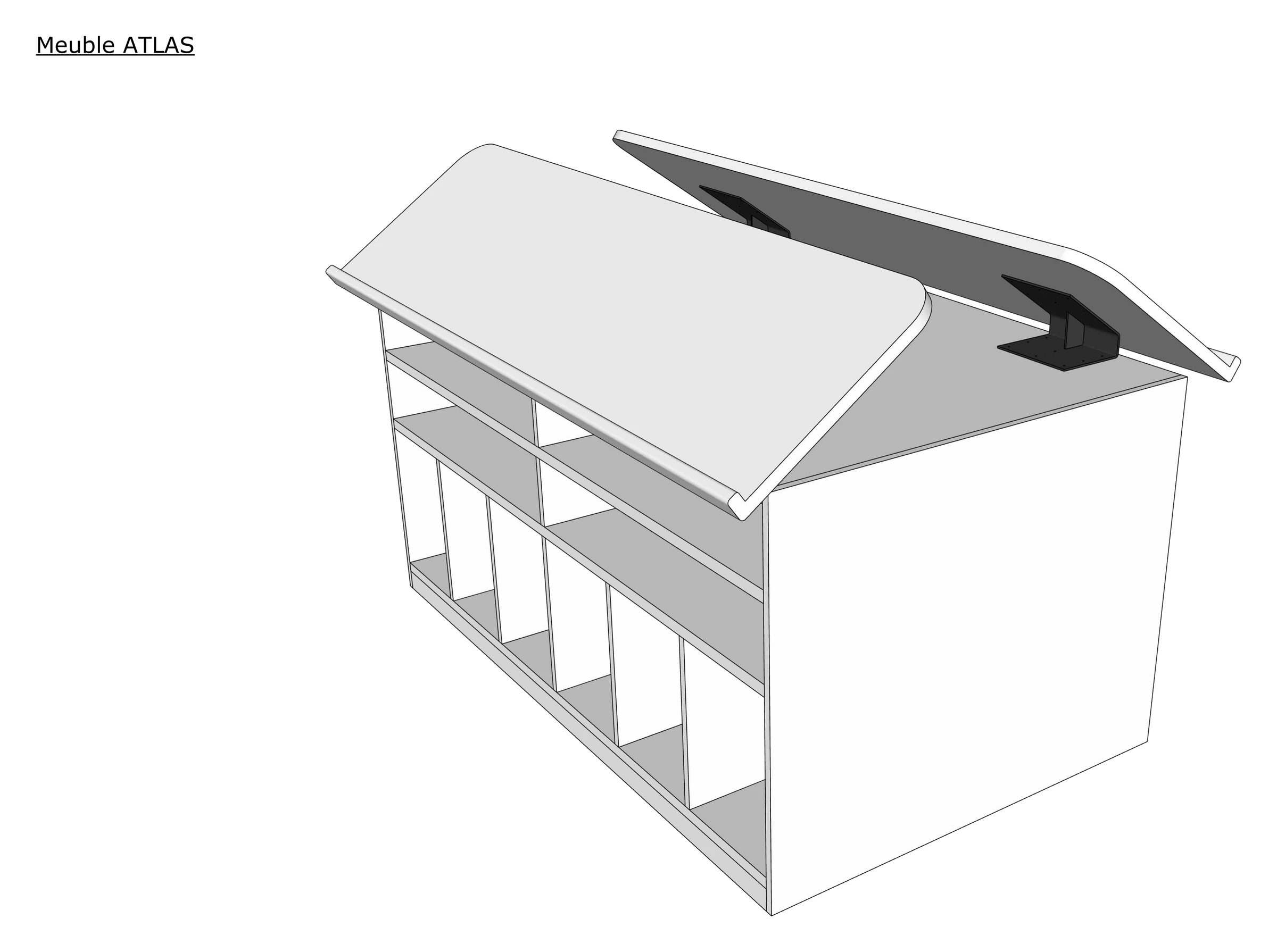 Atlas table with sloping top. Axonometric.
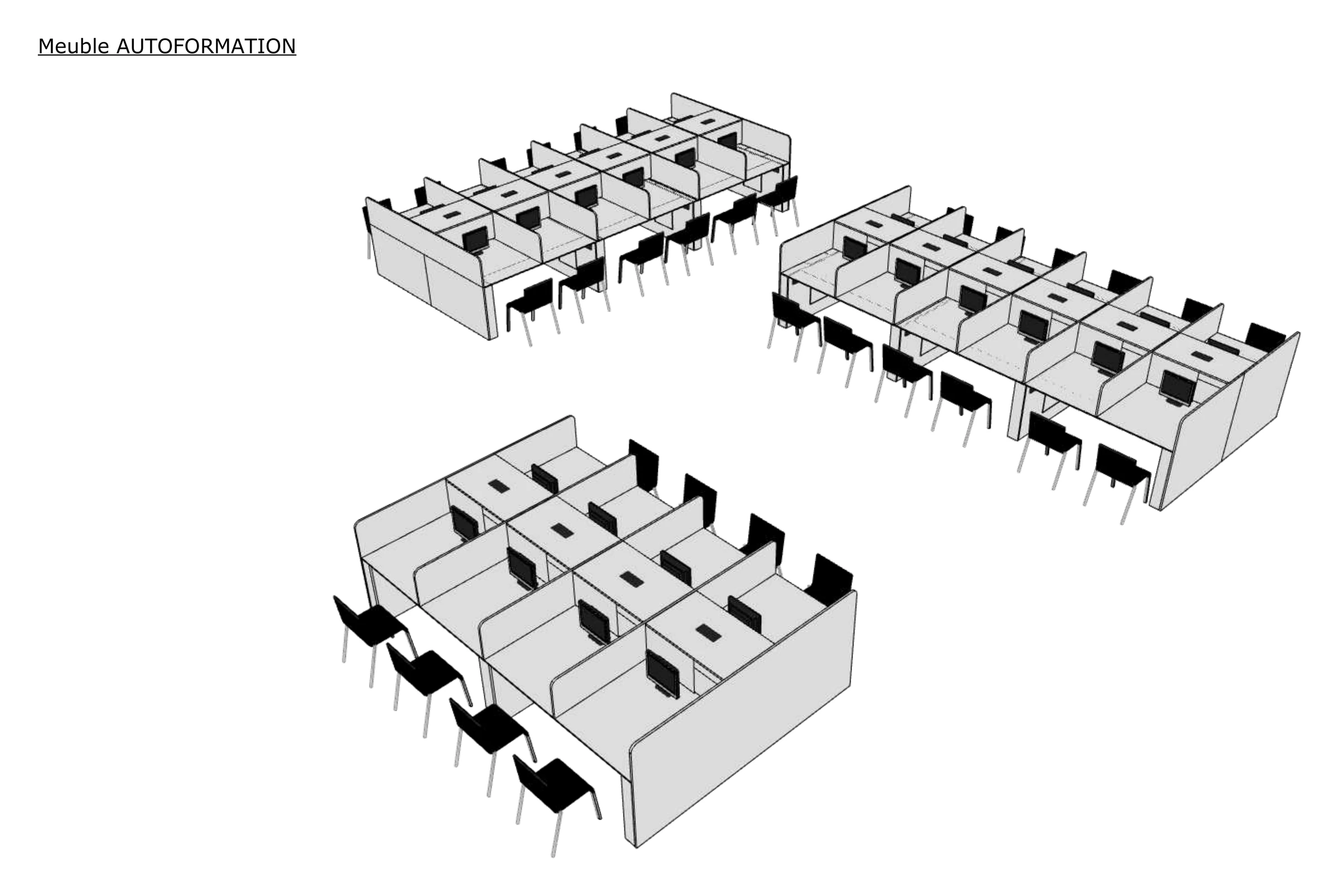 Self-training workstations. Axonometric.
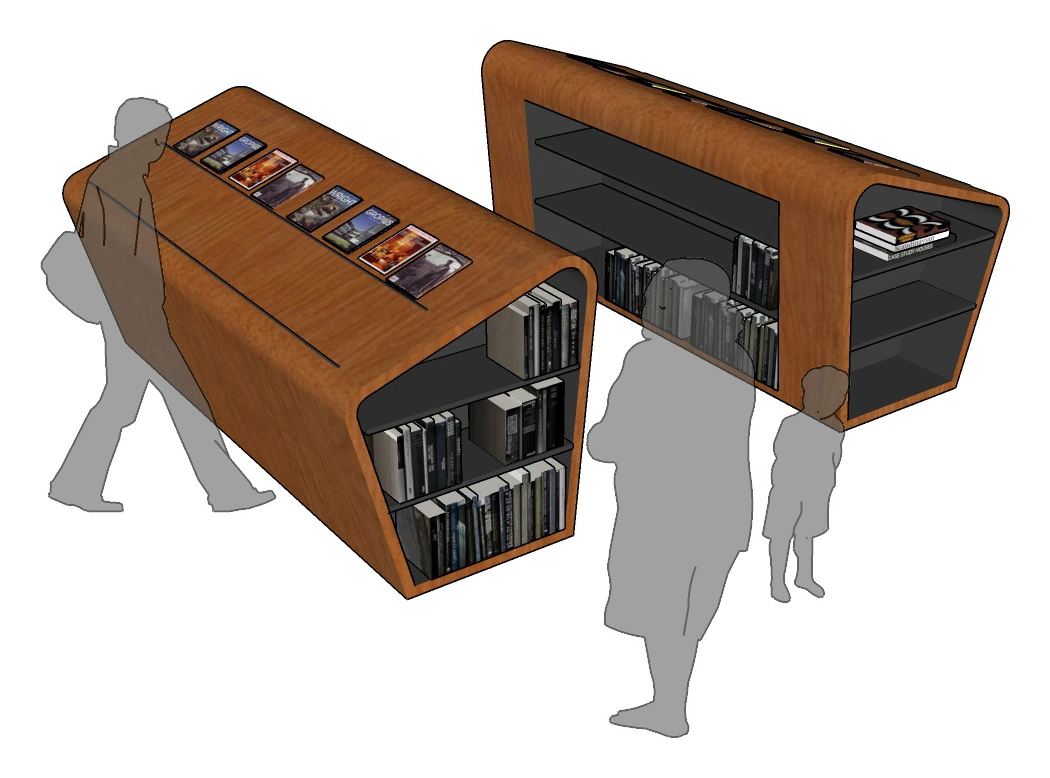 Curved display and shelving units. Perspective.
Press and sources
- Arquitectura y Diseño: “Andrés Mariño, diseñador para el Centre Pompidou: Las bibliotecas ya no son lo que eran hace 50 años, pero siguen siendo esenciales” (Gala Mora, 16 November 2025)
- The Objective: “Del taller a París: así diseñó Andrés Marino más de 500 piezas para el Centre Pompidou” (Sara Duque, 1 November 2025)
- Bpi: “Découvrez la Bpi et ses nouveaux espaces !” (bpi.fr)
- Bpi (professional site): “Fermeture, déménagement et relogement de la Bpi en 2025”
- Bpi (professional site): “Bpi Lumière : bilan 6 mois après l’ouverture”
Frequently asked questions
What was Andrés Mariño Maza’s role at Lumière?
He was lead furniture project architect for the new library. He led the full furniture programme from design and development through to production, coordinated and organised all shipping and installation, and was the liaison with the public client and its officials. Fabrication was carried out by woodworking and metal workshops in Spain, shipping by Spanish carriers and installation by French and Romanian teams, all coordinated by him. It was a far larger commission than his earlier intervention of about 50 pieces at Beaubourg.
Where is the BPI during the Centre Pompidou renovation?
In the Lumière building, 40 avenue des Terroirs de France, Paris 12th, where it opened on 25 August 2025. The Centre Pompidou’s renovation is planned to last until 2030.
Is the furniture the same as at Beaubourg?
Partly. The BPI reused many elements from Beaubourg, including table tops and almost all the seating (pro.bpi.fr). Andrés’s design drawings and 3D models for the Lumière fit-out are shown above.
What happens to the furniture after 2030?
It was designed to be dismantled and moved without special machinery, and to be able to return to the renovated Centre Pompidou. Whether it does is the institution’s decision.